
Review · HISTORICAL TOURS
Sarajevo: History Museum of Bosnia and Herzegovina Ticket
Sarajevo’s past is impossible to view from a distance. This $10 History Museum ticket brings you face to face with the city’s wartime survival, from donated household objects to personal accounts of life during the siege. I especially like the personal nature of the Besieged Sarajevo exhibition and the way the museum connects ordinary daily problems with larger political events. My main caution is that there is no guide included, so you need to give the displays time and attention on your own.
I also value the museum’s second permanent exhibition, which explains antifascist resistance during World War II through the figure of Walter and the wider Partisan movement. The subject matter is often painful, and the war exhibits may feel heavy, but that seriousness is exactly why this visit matters. It gives you more than dates and military labels: it asks how people kept food, water, culture, and human dignity alive when normal life disappeared.
In This Review
- Key points to know before you go
- Why the History Museum matters in Sarajevo
- Entering Besieged Sarajevo
- Personal stories instead of distant statistics
- Wer ist Walter? and the World War II story
- Temporary exhibitions add a changing layer
- What the $10 ticket gives you
- How to get the most from a self-guided visit
- Who should book this museum ticket?
- My verdict on the Sarajevo History Museum
- FAQ
- How much does the Sarajevo History Museum ticket cost?
- How long is the ticket valid?
- What does the ticket include?
- Is a guide included?
- What is the Besieged Sarajevo exhibition about?
- What is Wer ist Walter? about?
- Can I cancel the booking?
- Do I need to pay when I reserve?
Key points to know before you go
- Besieged Sarajevo uses donated personal artifacts to show how residents found food, water, warmth, and moments of normal life during the 1992 to 1996 siege.
- The museum occupied a frontline position, between Sniper Alley and an area held by opposing forces, and still carries visible traces of war.
- Wer ist Walter? examines World War II resistance and the Partisans’ effort to cross ethnic divisions while fighting Fascism and Nazism.
- Your $10 ticket includes permanent and temporary exhibitions, giving you more than one historical period to explore.
- There is no guide included, so this suits visitors who are happy to read, reflect, and set their own pace.
- The ticket is valid for one day, with cancellation allowed up to 24 hours before the visit for a full refund.
Why the History Museum matters in Sarajevo
Sarajevo can sometimes feel like a city where history is everywhere but not always explained in one place. The History Museum helps connect those separate pieces. You are not simply looking at old objects behind glass. You are being asked to consider what happens when electricity, water, heating, and food supplies suddenly stop.
That question gives the visit its force: what would you do if normal life vanished overnight? In Sarajevo, this was not a thought experiment. In April 1992, citizens faced constant shelling and sniper fire from surrounding hills and occupied parts of the city. The siege lasted from 1992 to 1996 and became the longest siege in modern history.
I find the museum most valuable when it keeps that scale of history tied to practical human problems. How did people get water? What did they eat? What did streets and markets look like? How did families manage daily routines while lives were under direct threat? These questions make the past easier to understand without making it feel distant or abstract.
The museum also shows that survival was not only about avoiding danger. People had to protect a sense of normal life. Art, culture, and shared activity helped residents keep their identity when the city itself was under attack. That balance between physical survival and cultural resistance is one of the strongest reasons to include this museum in a Sarajevo visit.
More History Tours in Sarajevo
- Sarajevo Full Day Tour: History, Culture, Nature, War & Olympics
★ 5.0 · 27 reviews - Sarajevo genuine walking tour: Steps through history
★ 5.0 · 22 reviews - SARAJEVO STREET ART TOUR (art, history & mystery) – sARTajevo!
★ 5.0 · 18 reviews
Entering Besieged Sarajevo
The central experience is the permanent exhibition Besieged Sarajevo. Its setting adds weight because the museum was once positioned between Sniper Alley and an occupied neighbourhood. The building still bears traces of war, so the surroundings are part of what you are seeing rather than a neutral backdrop.
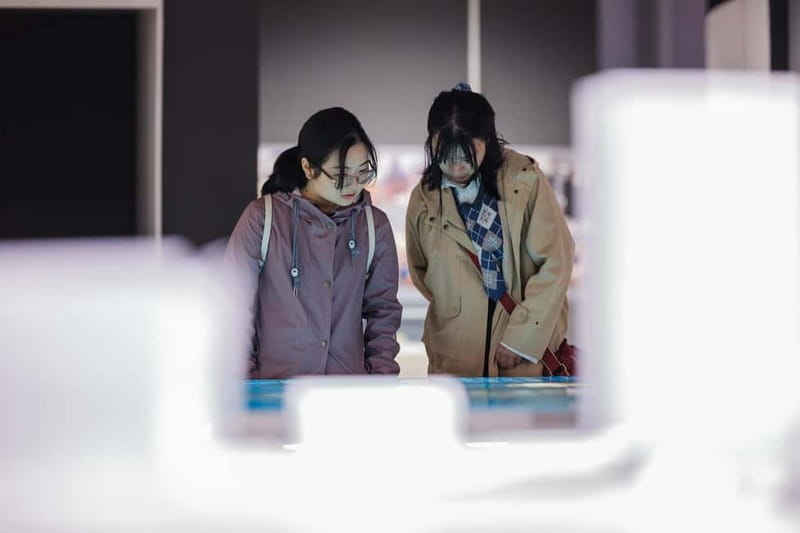
The exhibition focuses on the siege from the viewpoint of people who lived through it. Citizens donated personal war artifacts and shared their stories. That choice changes the tone. Instead of presenting only official records, weapons, or political decisions, the museum brings in objects connected to ordinary life.
You can expect the exhibition to explore several linked parts of survival:
- Finding and carrying water when regular supplies were cut off
- Obtaining food during shortages
- Understanding how markets and streets changed under fire
- Managing life without electricity and heating
- Living with shelling and sniper danger
- Using art and culture to preserve a sense of normality
The power comes from the connection between these subjects. A shortage of electricity is not just an infrastructure problem. It affects cooking, heating, communication, and family routines. A lack of water changes where people go, how long they wait, and the risks they must take. The museum helps you see those links.
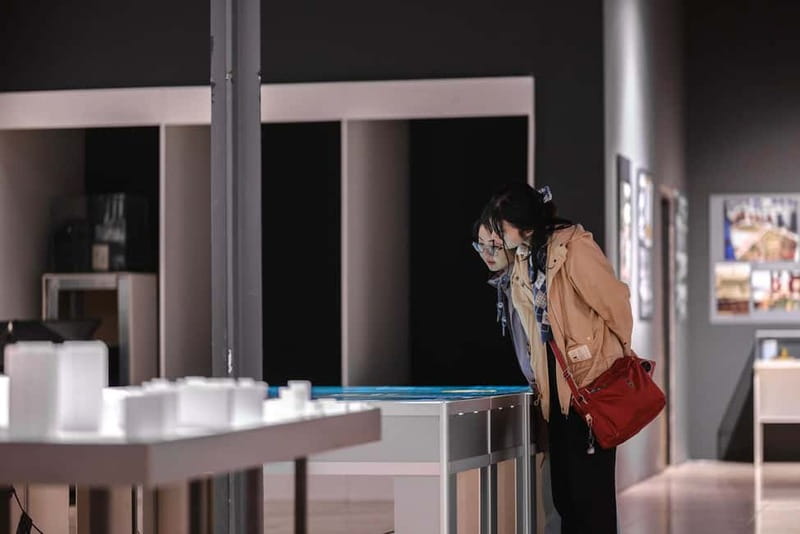
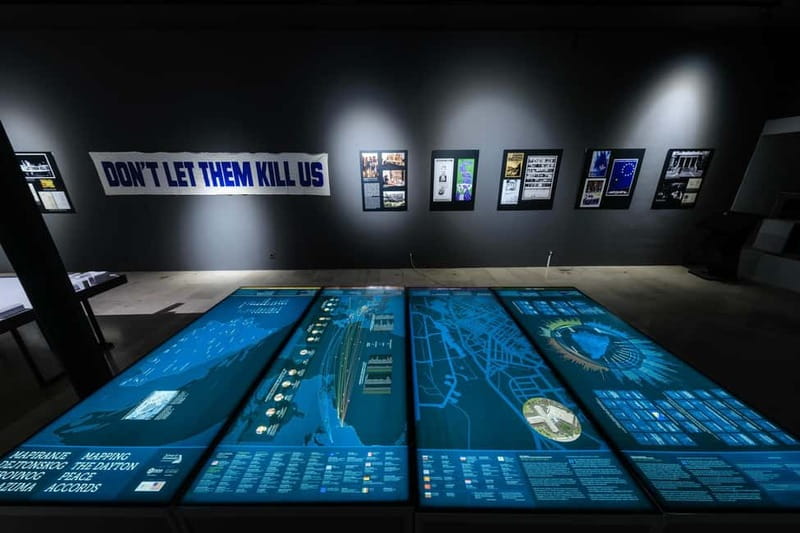
The displays include rare artifacts and interactive elements, but the exact selection may vary depending on the exhibition presentation. You should expect a mixture of objects, personal narratives, and information panels rather than a fast-moving attraction. This is a place to pause, read, and think.
I would allow enough time to take in the stories rather than rushing through for a quick look. The ticket is valid for one day, so you have flexibility. Since the admission covers all permanent and temporary exhibitions, you can move between sections at your own speed and return to a display if you need a second look.
Personal stories instead of distant statistics
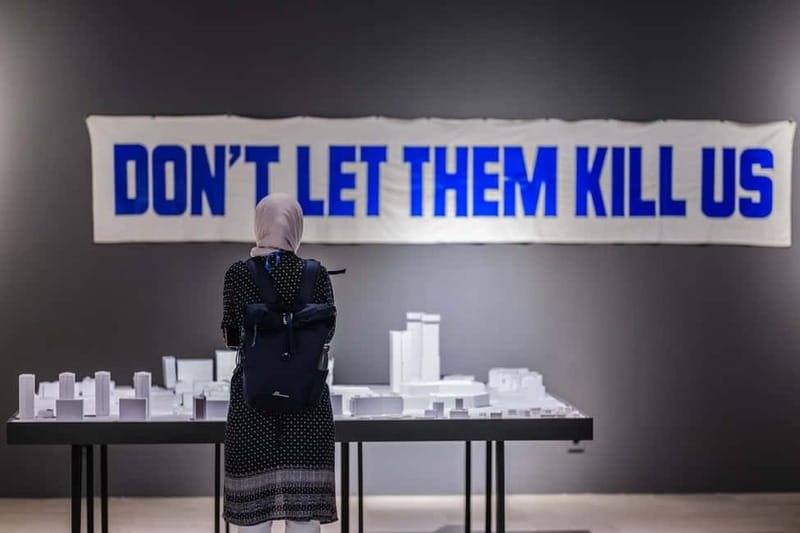
The museum’s strongest feature is the involvement of Sarajevo residents. Their donated possessions and firsthand accounts give the siege a human scale. A personal object can explain more about daily life than a long list of casualty figures, because it suggests what people were trying to preserve while everything around them was breaking down.
This approach also keeps the exhibition from becoming only a military history display. The siege was shaped by armed forces, occupied neighbourhoods, shelling, and sniper fire, but it was endured by civilians trying to maintain households, relationships, and routines.
I appreciate that the museum does not reduce Sarajevo to suffering alone. The story includes hardship, but also creativity and cultural resistance. Art and culture became ways to keep people connected with one another and to insist that the city remained a living community.
That does not make the experience easy. The material can be sad and upsetting, particularly if you have a personal connection to the conflicts of the 1990s. The tone is serious throughout, and you should not expect a light sightseeing stop. Still, the emotional weight is handled through real accounts and historical material rather than spectacle.
Wer ist Walter? and the World War II story
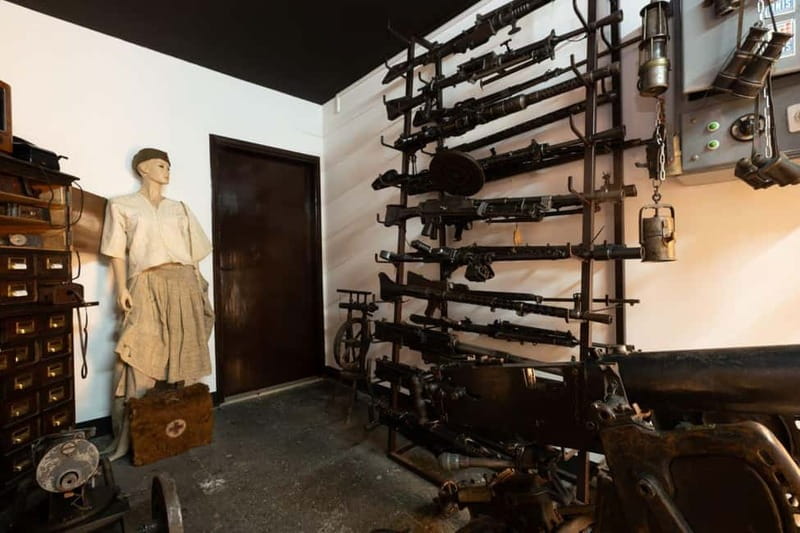
A second permanent exhibition takes you back to World War II. Wer ist Walter? Topography of Antifascist Resistance in Bosnia and Herzegovina examines the armed resistance against Fascism and Nazism in German-occupied Sarajevo.
Walter was the code name of the leader of the resistance movement in Sarajevo. The exhibition uses that figure as a starting point, then asks a wider question: who were the other Walters? In other words, who were the Partisans, and how did they organize resistance across ethnic divisions?
This part of the museum is valuable because it puts local history into a broader European setting without losing the Bosnian focus. You learn about the effort to create an inclusive platform and about how the Partisans managed to overcome divisions while fighting the occupation.
The exhibition also gives you a useful counterpoint to Besieged Sarajevo. The first section looks at civilian survival and cultural resistance in the 1990s. The World War II section examines organized antifascist resistance decades earlier. Together, they show Sarajevo and Bosnia and Herzegovina as places shaped by conflict, political pressure, cooperation, and competing ideas of identity.
You may find this exhibition more demanding if you do not already know the main events of World War II in Yugoslavia. The museum presents questions and context, but the ticket does not include a guide. Give yourself time with the terminology and names. The reward is a clearer sense of how resistance movements worked and why ethnic divisions matter so much to the story.
Same corner of the country, a different kind of day:
- Sarajevo: Mostar, Konjic, Blagaj Tekke, Pocitelj & Waterfall
★ 4.9 · 1,666 reviews - Fall of Yugoslavia, Sarajevo War Tour with Tunnel of Hope Museum and Frontlines
★ 5.0 · 1,314 reviews - Sarajevo: Grand Walking Tour Through Time and Cultures
★ 4.8 · 1,236 reviews - Sarajevo: Mostar, Konjic, Sufi House, Pocitelj & Kravice Falls
★ 5.0 · 1,179 reviews
Temporary exhibitions add a changing layer
Your admission includes temporary exhibitions as well as the permanent displays. These shows explore different parts of Bosnia and Herzegovina’s history, culture, and heritage, so the exact material will depend on what is on view during your visit.
That changing element makes the museum worth considering even if you have already seen one of its permanent sections. A temporary exhibition may shift the focus toward an aspect of national history or cultural life that is not covered in the main displays.
Because no specific temporary exhibition is guaranteed by the ticket details, I would treat it as an added benefit rather than the main reason to book. Plan your visit around Besieged Sarajevo and Wer ist Walter? Then consider the temporary displays a bonus that may broaden your understanding.
This is also why the one-day validity is useful. You are not forced into a short, tightly timed visit. You can explore the permanent exhibitions, take a break if the subject matter becomes intense, and return to the temporary displays later that day.
What the $10 ticket gives you
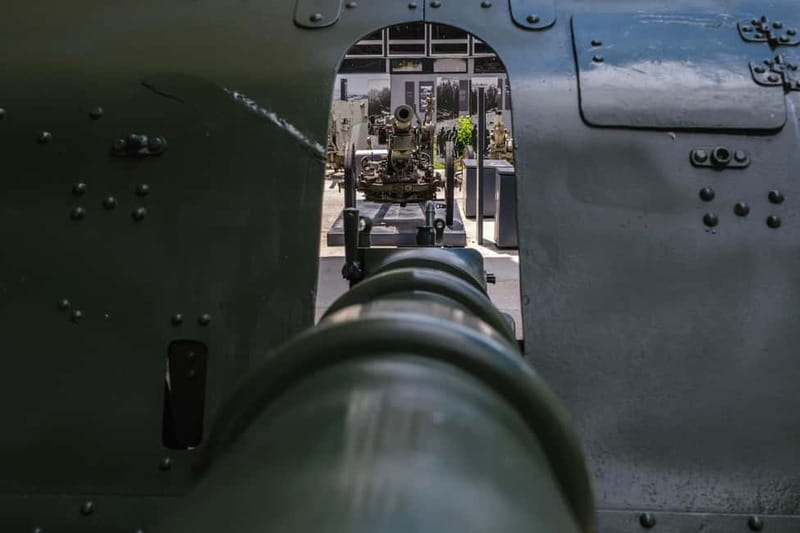
At $10 per person, the ticket is reasonably priced for the amount of historical material included. You get access to both permanent exhibitions and all temporary exhibitions running during your visit. That is better value than paying separately for only the siege display.
The real value comes from the museum’s depth. You are paying for more than a room of objects. You are getting access to personal accounts, donated artifacts, interactive displays, and two major historical subjects that shaped Sarajevo in different periods.
There are limits. A guide is not included, so the experience depends on your reading and attention. If you prefer a tour where someone explains every exhibit, answers questions, and leads you through a fixed route, this ticket may feel basic.
On the other hand, independent visitors often appreciate the freedom. You can spend more time on the wartime artifacts that interest you, move slowly through the World War II material, or focus on the cultural side of the story. For the price, that control is a fair trade.
The ticket also allows free cancellation up to 24 hours in advance, and you can reserve now and pay later. Those terms are useful if your Sarajevo schedule is still moving around. They do not change the museum experience itself, but they reduce the risk of committing too early.
How to get the most from a self-guided visit
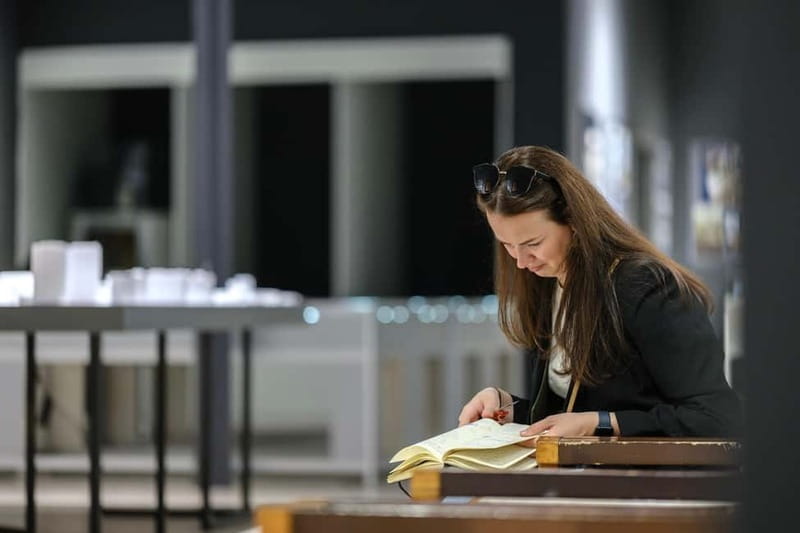
Start with an open mind and expect to read. This is not a quick photo stop. The exhibitions ask you to understand causes, consequences, and daily life, so the most meaningful parts may not be the largest objects.
I would begin with Besieged Sarajevo while your attention is fresh. Its focus on food, water, heating, electricity, streets, markets, and cultural activity gives you a strong base for understanding Sarajevo during the siege. The location and remaining war traces make the subject feel immediate.
Next, move to Wer ist Walter? The World War II exhibition asks different questions and may require more concentration. Think of it as a second historical lens rather than a repeat of the first section.
Then check the temporary exhibitions. Since these change, they may provide a more focused look at Bosnia and Herzegovina’s culture or heritage. If you are visiting with someone who finds war history difficult, this section may offer a useful change of pace, though its content depends on the current program.
I would also avoid treating the museum as a checklist item. You do not need to absorb every detail in one pass. Notice the personal stories first. Then return to the dates, political context, and names. That order often makes the information easier to hold onto.
Who should book this museum ticket?
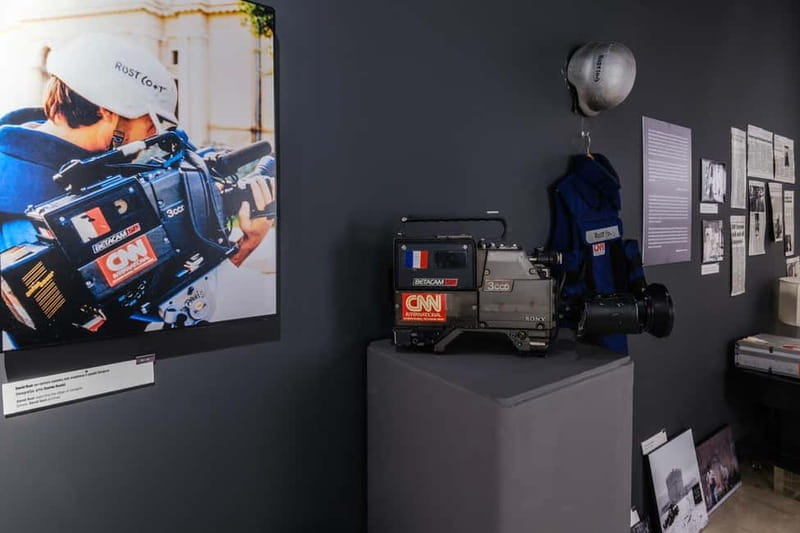
I recommend it most strongly if you want to understand Sarajevo through civilian experience. The museum is a good fit for you if you care about social history, personal testimony, cultural resistance, or the practical realities of life during wartime.
It also suits visitors who want more than the best-known sights. Sarajevo’s recent past is central to the city, and this museum gives you a focused place to think about it. The World War II exhibition adds value for anyone interested in resistance movements and the complicated history of the region.
Families with older children or teenagers may find the material useful, but the siege displays are serious. You should decide based on your child’s comfort with war-related subjects. The museum is not presented as entertainment.
You may want to skip it if you have only a few minutes in Sarajevo or if you strongly prefer guided tours. There is no guide included, and the value depends on your willingness to read and reflect. It is also not the right choice if you are looking only for an upbeat cultural attraction.
My verdict on the Sarajevo History Museum
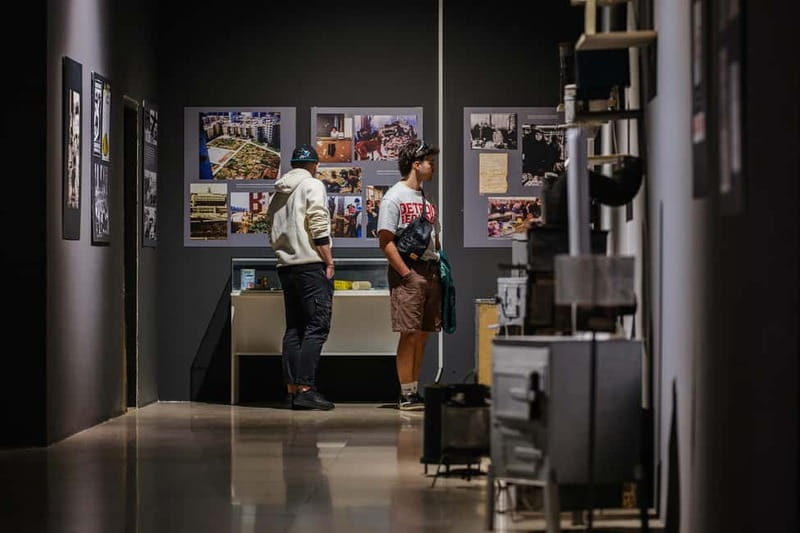
Book this ticket if you want a direct, personal account of how Sarajevo endured war and protected its culture. The Besieged Sarajevo exhibition is the main reason to come, with donated artifacts and firsthand accounts that bring daily survival into view.
The World War II resistance exhibition makes the $10 price easier to justify, while temporary exhibitions add more material when available. Just come prepared for serious subjects and a self-guided format.
I would choose this museum for a thoughtful morning or afternoon in Sarajevo, especially after seeing enough monuments and streets to understand that the city’s recent history is not background decoration. It is part of the place itself.
FAQ
How much does the Sarajevo History Museum ticket cost?
The ticket costs $10 per person.
How long is the ticket valid?
The ticket is valid for one day.
What does the ticket include?
It includes access to all permanent and temporary exhibitions at the History Museum of Bosnia and Herzegovina.
Is a guide included?
No. A guide is not included, so you explore the exhibitions independently.
What is the Besieged Sarajevo exhibition about?
It explains how people in Sarajevo lived during the 1992 to 1996 siege, including how they found food and water, managed without electricity and heating, dealt with shelling and sniper fire, and used art and culture to maintain a sense of normal life.
What is Wer ist Walter? about?
Wer ist Walter? Topography of Antifascist Resistance in Bosnia and Herzegovina examines the World War II resistance against Fascism and Nazism in occupied Bosnia and Herzegovina. It focuses on Walter, the code name of a Sarajevo resistance leader, and the Partisans’ efforts to overcome ethnic divisions.
Can I cancel the booking?
Yes. You can cancel up to 24 hours in advance for a full refund.
Do I need to pay when I reserve?
No. The reserve now and pay later option lets you book your spot without paying immediately.
Museums in Sarajevo
- Sarajevo: Tunnel Museum Yugoslavia War Tour with War Veteran
★ 5.0 · 1,111 reviews - Tunnel Museum: Bosnian & Yugoslav Wars Tour with War Veteran
★ 5.0 · 551 reviews - Cable Car Olympic Tour With Museum
★ 5.0 · 17 reviews - SARAJEVO CONCEPTUAL ART TOUR (galleries, art and arhitecture)
★ 5.0 · 7 reviews
Newest around Sarajevo
- Understanding Srebrenica Genocide + Lunch with Local Family★ 4.9 · 14 reviews
- Private Full Day Safari Tour★ 5.0 · 8 reviews
- Sarajevo: Trebević Mountain Summit Hiking Tour★ 4.2 · 2 reviews
- From Sarajevo: Kozice Waterfalls Hiking Experience in Nature★ 5.0 · 2 reviews
- Sarajevo Under Siege: A War History Tour★ 5.0 · 10 reviews
- Mysterious Visoko Pyramids Driving and Walking Tour★ 5.0 · 7 reviews
- WAR TUNNEL – Sarajevo’s only way of a communication during the WAR – Top secret★ 5.0 · 12 reviews
- Ultimate Gastro Experience★ 4.5 · 14 reviews
Historical Tours, compared.
Sarajevo Full Day Tour: History, Culture, Nature, War & Olympics
Read our review →
Sarajevo genuine walking tour: Steps through history
Read our review →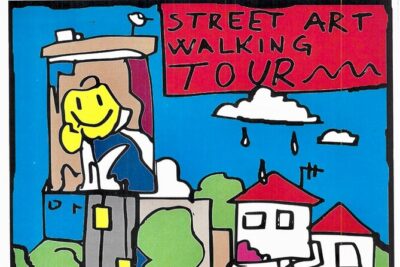
SARAJEVO STREET ART TOUR (art, history & mystery) – sARTajevo!
Read our review →
BOSNIAN PYRAMIDS TOUR (nature, history & archeology)
Read our review →
Browse the lists this tour appears in