
Review · WAR HISTORY & SIEGE TOURS
War Times Experience in Sarajevo – Half Day Tour
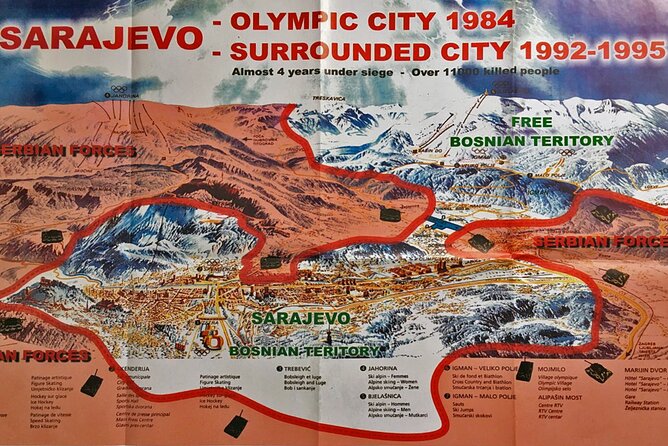
Sarajevo’s war story is still visible. This half-day tour connects the city’s siege sites with personal context, taking you from Sniper Alley and the Jewish Cemetery to Trebevic Mountain and the War Tunnel. I like the small private group, limited to eight people, and the chance to hear a guide’s own wartime memories. I also like the clear focus on how Sarajevo lives today, not only on what happened in the 1990s.
The main drawback is that the Sarajevo War Tunnel costs an additional €10 per person, and the total tour can run closer to four hours than three. That is still fair for the $35 price, but you should allow enough time and expect a serious subject rather than a light sightseeing outing.
In This Review
- Key points to know before booking
- Why this half-day tour matters in Sarajevo
- Starting near Kovači and leaving the Old Town
- Sniper Alley and the Jewish Cemetery
- Trebevic Mountain and the ruined hotel
- The Yellow Fortress and Sarajevo’s best panorama
- The Sarajevo War Tunnel and the one extra admission fee
- Personal stories, questions, and the private format
- What the $35 price really includes
- Who should book this Sarajevo experience
- Should you book the War Times Experience?
- FAQ
- How long does the War Times Experience in Sarajevo last?
- What is the price of the tour?
- Is the Sarajevo War Tunnel admission included?
- Where does the tour start?
- Where does the tour end?
- Is hotel pickup available?
- Is the tour offered in English?
- How many people can join the tour?
- Do I need a passport for the entity crossings?
Key points to know before booking
- Sniper Alley becomes easier to understand on location, especially from the Jewish Cemetery, where you can see why the road was so dangerous during the siege.
- Trebevic Mountain adds a strong sense of place, with ruined hotel buildings and former siege positions above Sarajevo.
- The route crosses the boundary between Bosnia and Herzegovina’s two entities four times, without passports or border checks.
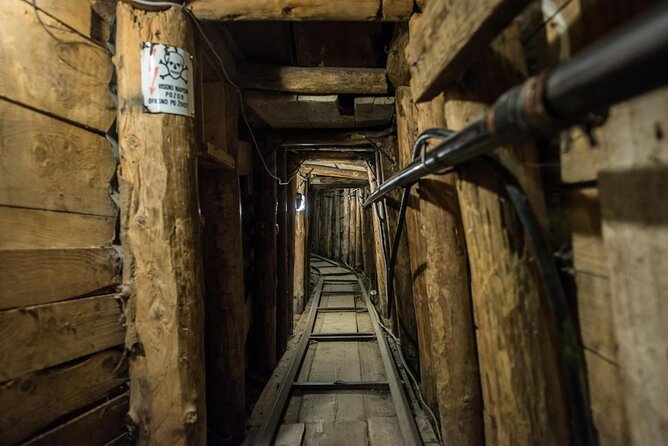
- The War Tunnel is the tour’s essential indoor stop, with a short presentation about its creation and role during the war.
- The private format keeps the discussion flexible, so you can ask questions and spend more time on subjects that matter to you.
- The $35 fee includes useful extras, such as hotel pickup in qualifying areas, bottled water, air-conditioning, and onboard Wi-Fi.
Why this half-day tour matters in Sarajevo
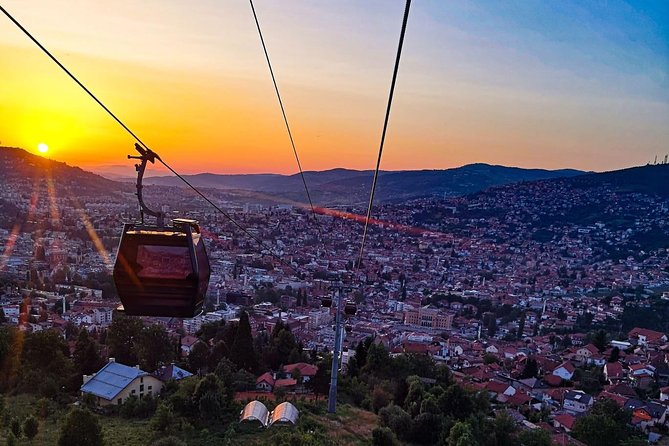
Sarajevo is a city where recent history is close to the surface. Street corners, hillsides, cemeteries, and ordinary roads all carry memories of the Bosnian War and the siege of Sarajevo. A standard city walk can show you Ottoman streets, Austro-Hungarian buildings, and cafes, but it may not explain how the city was surrounded or how people managed daily life during the fighting.
This tour gives you that wider view. You leave the Old Town in an air-conditioned vehicle and move through places connected to the siege. The guide explains key events while you look at the actual positions, roads, and ruins involved. That combination matters because the geography is part of the story. Sarajevo sits in a valley, and the surrounding hills made it possible for forces outside the city to fire down toward civilians.
I especially like that the experience is not limited to military facts. One of the strongest details in the supplied feedback was the guide’s personal account of the war. A guide who lived through that period can explain how the conflict affected ordinary people, not just commanders and dates. Emir was singled out for handling the difficult subject carefully and for giving detailed answers when questions came up.
The English is described as decent rather than perfect, so you should expect clear communication but not polished academic lecturing. In this setting, a personal and direct explanation is likely more useful than a formal speech.
Other tours covering the siege years and their sites:
- Fall of Yugoslavia, Sarajevo War Tour with Tunnel of Hope Museum and Frontlines
★ 5.0 · 1,314 reviews - Sarajevo: Tunnel Museum Yugoslavia War Tour with War Veteran
★ 5.0 · 1,111 reviews - ROSES OF SARAJEVO (Official WAR + CITY tour)- Story of a Survivor
★ 5.0 · 770 reviews
Starting near Kovači and leaving the Old Town
The stated meeting point is Kovači 25 in Sarajevo, postal code 71000. Pickup is available from hotels in the Old Town and from hotels along the route toward the Tunnel of Hope. If you are staying outside those areas, confirm the pickup arrangement before setting out.
The tour lasts approximately three to four hours. That is a useful length for a first visit because it gives you a serious introduction without taking an entire day. You will spend part of the time driving between stops, which also lets you see how the city changes as you move away from the historic center.
The vehicle is air-conditioned, and bottled water is included. Onboard Wi-Fi is another practical touch. It may not be the reason you book a war history tour, but it helps you stay connected during the drive. The private format, with no more than eight people, is more important. A small group makes it easier to ask about a family story, a building, or a confusing political detail without holding up a large coach.
The tour ends back at the starting point. That makes it easier to plan another activity afterward, but I would not schedule anything too close to the expected finish. The difference between three and four hours can matter if you have a restaurant booking or a fixed departure.
Sniper Alley and the Jewish Cemetery
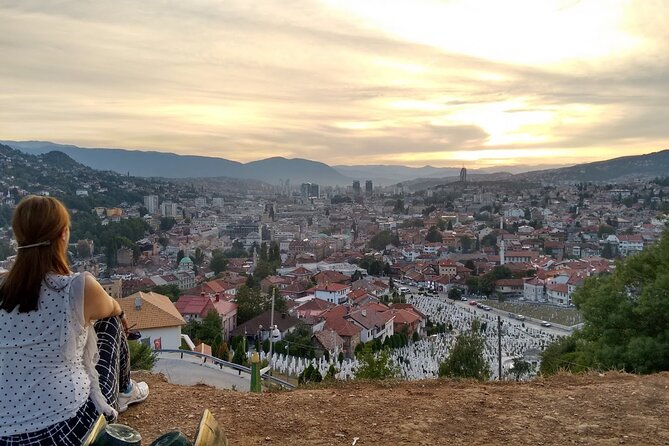
One of the first major stops is the Jewish Cemetery, where you spend about 15 minutes. Admission is included, and the site offers a clear view of positions used by snipers during the siege.
The cemetery is important for more than its name. From here, the guide can show how elevated ground and open routes exposed people moving through Sarajevo. You begin to understand why the road known as Sniper Alley became infamous. The name was not a dramatic label added after the fact. It reflected the danger civilians faced while using an important route through the city.
Fifteen minutes is not a long visit, but it can be enough for an explanation and a look at the surrounding area. The stop works best if you listen closely to the guide’s orientation rather than treating it as a quick photo break. The point is to see the connection between height, distance, and the streets below.
I find this kind of stop valuable because it corrects a common problem with war tourism. A photograph or museum display can tell you that a road was dangerous. Standing at a former firing position helps you understand why. You can relate the physical setting to the story instead of keeping the two separate.
The subject is painful, and the tour does not appear designed to soften it. That is appropriate, but it also means you should come prepared for discussions of civilian killings and the realities of the siege. The experience is educational, not entertainment.
Trebevic Mountain and the ruined hotel
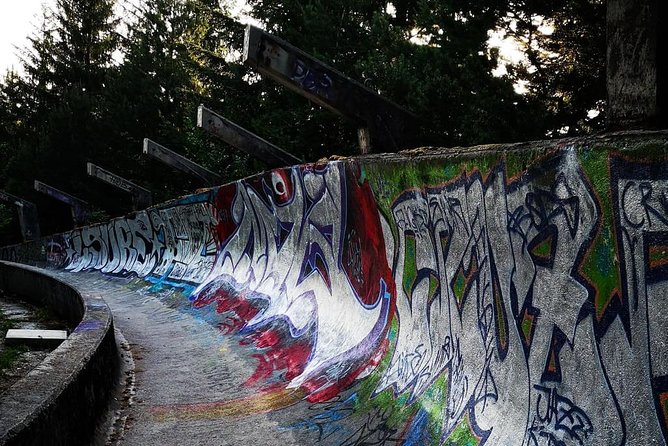
The route continues to Trebevic Mountain, a former front-line area during the Bosnian War. The stop lasts about 15 minutes and includes the ruins of a hotel that once served as a major position and command center for the besieging forces.
Trebevic gives you a different angle on Sarajevo. At the Jewish Cemetery, you focus on the city streets and the danger faced by people below. On the mountain, you see the elevated side of the conflict and the remains of the positions from which the city was watched and attacked.
The ruined hotel adds a physical reminder of how places can change meaning. A hotel suggests ordinary life, visitors, and leisure. During the siege, the building became tied to military activity. Seeing the remains helps connect the war to real structures rather than an abstract line on a map.
The area also forms part of the route’s political lesson. You cross the imaginary boundary between the Federation of Bosnia and Herzegovina and the Republic of Srpska four times on the way to Trebevic. There is no passport control, and you do not need to bring a passport. The guide presents this as one of the country’s postwar absurdities, which is a useful way to understand how the war still shapes administration and identity.
The repeated crossings may sound strange on paper, but that is precisely why they are worth noticing. You are not crossing an international border. You are experiencing the division between Bosnia and Herzegovina’s two entities in a practical, visible way. The route turns a complicated political arrangement into something you can observe.
Same corner of the country, a different kind of day:
- Sarajevo: Mostar, Konjic, Blagaj Tekke, Pocitelj & Waterfall
★ 4.9 · 1,666 reviews - Sarajevo: Grand Walking Tour Through Time and Cultures
★ 4.8 · 1,236 reviews - Sarajevo: Mostar, Konjic, Sufi House, Pocitelj & Kravice Falls
★ 5.0 · 1,179 reviews - Sarajevo: Tunnel of Hope Tour – Survival and Resilience
★ 4.8 · 630 reviews
The Yellow Fortress and Sarajevo’s best panorama
At the Yellow Fortress, the guide introduces the tour and begins the main explanation of the Sarajevo Siege. You also get what is described as the most beautiful panorama of Sarajevo, along with a view of an important defenders’ cemetery.
This is a smart place to establish the story. From above, the shape of Sarajevo becomes easier to read. The valley, the slopes, and the concentration of buildings help explain why the city could be surrounded and why movement within it was so dangerous.
The view also keeps the experience connected to the present. You are not looking only at damaged buildings or former military positions. You are seeing a functioning city, with people living in the same broad setting that defined the siege. That contrast is one of the most useful parts of the tour.
The stop lasts about 15 minutes, so the visit is brief. If the panorama is your main interest, you may wish you had more free time. Still, the guide’s introduction gives the view purpose. Rather than stopping only for a scenic photograph, you learn what you are looking at and why the surrounding hills mattered.
I would pay attention to the cemetery visible from the fortress. It reinforces the human cost of the conflict and links the broad panorama to individual lives. The setting is attractive, but the tour does not treat it as a simple viewpoint.
The Sarajevo War Tunnel and the one extra admission fee
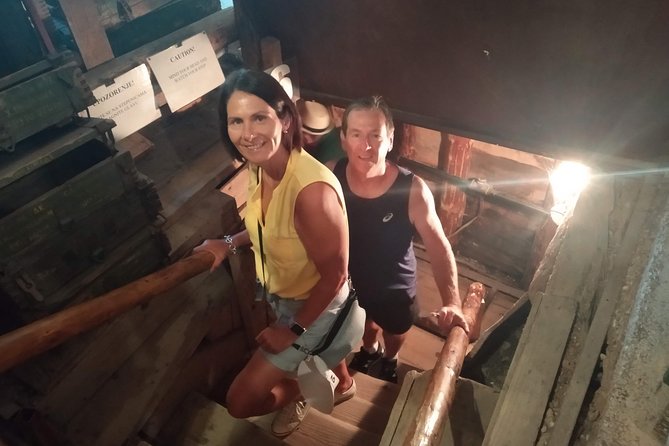
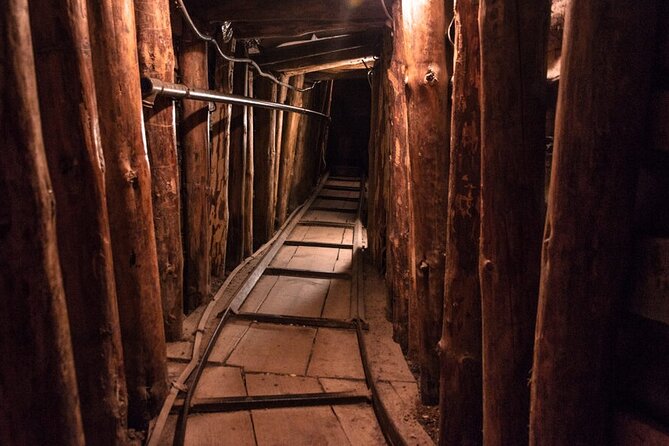
The Sarajevo War Tunnel is the longest stop, with about one hour for an educational visit and presentation. Admission is not included in the tour price and costs €10 per person.
This is the part I would consider essential. The tunnel was created during the siege to connect the city with the outside world. A visit here explains how the tunnel came into being and why it mattered to Sarajevo’s survival. The presentation adds structure to what you have seen at the cemetery, mountain, and fortress.
The extra fee is easy to overlook when you first see the $35 tour price. In practical terms, you should budget for the tour fee plus €10 per person for the tunnel. Lunch is also not included, though the half-day timing means you can eat before or after the experience.
The one-hour stop gives the subject room to breathe. It is longer than the outdoor viewpoints and provides an educational presentation rather than only a quick explanation. If you have limited time in Sarajevo, this stop helps make the tour feel worthwhile because it supplies the clearest account of the siege’s logistics and the tunnel’s purpose.
The presentation is described as short and educational, not as a full museum day. That is a good match for the tour’s half-day format. You will not cover every detail of the war, but you will leave with a stronger understanding of how people in Sarajevo maintained a connection with the outside world.
Personal stories, questions, and the private format
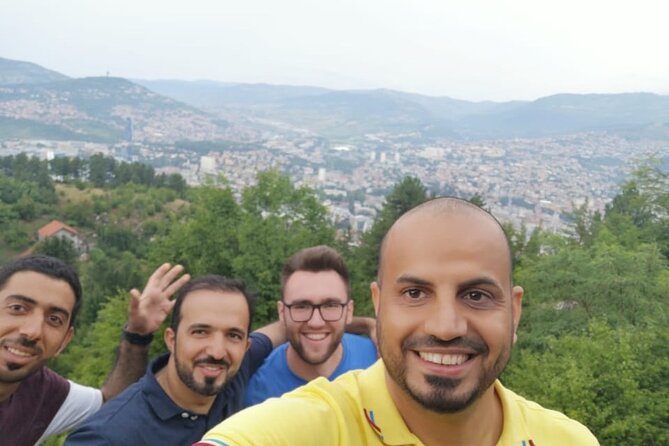
The tour is offered in English and uses a private format with a maximum of eight people. I consider that a major advantage for this subject. War history often raises difficult questions about politics, responsibility, and daily survival. A small group gives you a better chance to ask those questions directly.
The strongest praise focuses on the guide’s ability to explain a challenging subject and respond to questions. Emir was specifically named as a guide who shared personal wartime experience and continued adding useful context when asked. That kind of response can make the difference between a basic sightseeing circuit and a meaningful history lesson.
You should keep your expectations realistic. The available information does not promise a particular guide on every departure, and the English description is modest. If Emir is your guide, the personal connection may be especially strong, but you should not book on the assumption that he will lead every tour.
The format also suits people who prefer conversation over a fixed script. You can ask for clarification when the political divisions become confusing, especially around the Federation and Republic of Srpska. The guide can also connect the outdoor stops to the War Tunnel in a way that a larger group tour may not manage.
What the $35 price really includes
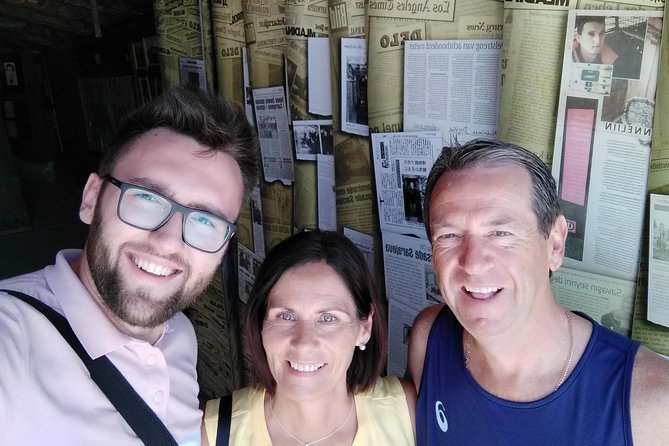
At $35 per person, the tour offers solid value if you want focused war history rather than a general city tour. The fee covers the driver and guide, air-conditioned transportation, onboard Wi-Fi, bottled water, and hotel pickup when you stay in the Old Town or along the route toward the Tunnel of Hope.
The private or very small-group format is the biggest value point. You are paying for transport and interpretation, but also for a more personal setting. With a maximum of eight people, the cost is reasonable for a three to four hour experience covering several locations outside the Old Town.
The War Tunnel admission changes the calculation slightly. Add €10 per person, and the total cost becomes higher than the headline price. Even so, I think the tunnel is worth adding because it is the tour’s main educational stop.
The tour does not include lunch, so plan food separately. Since the activity ends back at the meeting point, you can arrange a meal in Sarajevo afterward. Wi-Fi and bottled water are useful, but they should be seen as supporting details, not the main reason to choose this experience.
The perfect score from 61 reviews and a 100 percent recommendation rate indicate very strong satisfaction, especially with the guide and the subject matter. I would still weigh the tone carefully. This is a serious experience that rewards attention and curiosity. It is not designed for someone who wants only scenic viewpoints.
Who should book this Sarajevo experience
I would recommend this tour to you if you want to understand Sarajevo’s recent past through actual places. It suits first-time visitors who have already seen the Old Town or want a history-focused half-day away from central sights.
It is also a good fit if you prefer a private setting, need hotel pickup within the stated areas, or value the chance to ask questions. People with a family or academic interest in the Bosnian War may find the personal guide commentary especially useful.
The tour may be less suitable if you want a relaxed scenic outing. The Yellow Fortress and Trebevic offer views, but the main purpose is to explain the siege, sniper positions, military lines, civilian danger, and the War Tunnel. The topic can be emotionally heavy.
You should also allow for the full four-hour possibility. The stated duration is approximately three to four hours, and the route includes several stops plus the one-hour tunnel visit. Wear practical shoes for the outdoor sites, though the supplied information does not specify terrain or weather conditions.
Booking is flexible because free cancellation is available up to 24 hours before the start time. Changes or cancellations made less than 24 hours ahead are not accepted for a refund. Confirmation arrives at booking, and service animals are allowed. Most people can participate, but no more specific accessibility details are provided.
Should you book the War Times Experience?
I would book it if you want Sarajevo’s war story explained with context, local perspective, and visits to the places that shaped the siege. The strongest reasons are the small group, the guide’s personal approach, the Jewish Cemetery and Trebevic positions, and the hour at the War Tunnel.
The extra €10 admission is the main cost to remember. The short outdoor stops may also feel rushed if you want long walks or quiet reflection. Still, for $35 plus the tunnel fee, this is a focused and practical way to understand a difficult part of Sarajevo’s identity.
Choose it early in your stay if possible. The tour can help you read the city differently afterward, especially when you pass roads, hills, and neighborhoods that seemed ordinary at first. Book it if you want history tied to place, and skip it only if your priority is a light sightseeing morning.
FAQ
How long does the War Times Experience in Sarajevo last?
The tour lasts approximately three to four hours.
What is the price of the tour?
The listed price is $35 per person.
Is the Sarajevo War Tunnel admission included?
No. Admission to the Sarajevo War Tunnel costs €10 per person and is paid separately.
Where does the tour start?
The stated meeting point is Kovači 25, Sarajevo 71000, Bosnia and Herzegovina.
Where does the tour end?
The activity ends back at the meeting point.
Is hotel pickup available?
Yes. Pickup is offered from hotels in Sarajevo’s Old Town and from hotels along the way to the Tunnel of Hope. Pickup is available when required by people staying outside the Old Town within the stated pickup areas.
Is the tour offered in English?
Yes. The tour is offered in English.
How many people can join the tour?
The tour has a maximum of eight participants.
Do I need a passport for the entity crossings?
No. The four crossings between the Federation of Bosnia and Herzegovina and the Republic of Srpska are internal crossings with no need for passports.
Newest around Sarajevo
- Understanding Srebrenica Genocide + Lunch with Local Family★ 4.9 · 14 reviews
- Private Full Day Safari Tour★ 5.0 · 8 reviews
- Sarajevo: Trebević Mountain Summit Hiking Tour★ 4.2 · 2 reviews
- From Sarajevo: Kozice Waterfalls Hiking Experience in Nature★ 5.0 · 2 reviews
- Sarajevo Under Siege: A War History Tour★ 5.0 · 10 reviews
- Mysterious Visoko Pyramids Driving and Walking Tour★ 5.0 · 7 reviews
- WAR TUNNEL – Sarajevo’s only way of a communication during the WAR – Top secret★ 5.0 · 12 reviews
- Ultimate Gastro Experience★ 4.5 · 14 reviews
War History & Siege Tours, compared.
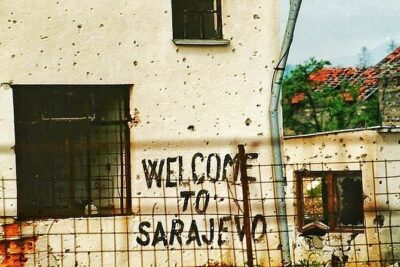
Fall of Yugoslavia, Sarajevo War Tour with Tunnel of Hope Museum and Frontlines
Read our review →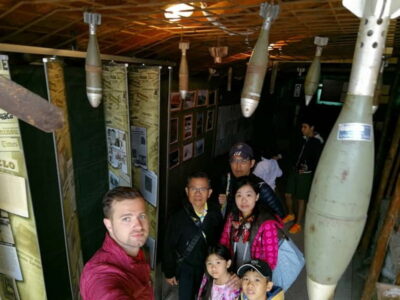
Tunnel Museum Yugoslavia War Tour with War Veteran
Read our review →
ROSES OF SARAJEVO (Official WAR + CITY tour)- Story of a Survivor
Read our review →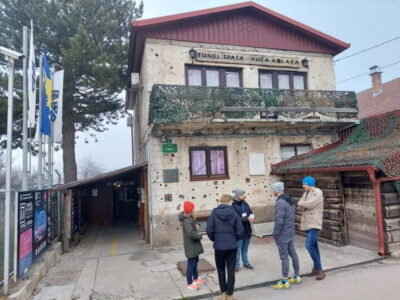
Tunnel Museum: Bosnian & Yugoslav Wars Tour with War Veteran
Read our review →
Bosnian War & Fall of Yugoslavia Tour with Tunnel
Read our review →
Sarajevo War Tour: A Veteran’s Story of the Siege (fees included)
Read our review →Browse the lists this tour appears in