
Review · WAR HISTORY & SIEGE TOURS
From Sarajevo: Srebrenica Genocide Memorial Study Tour
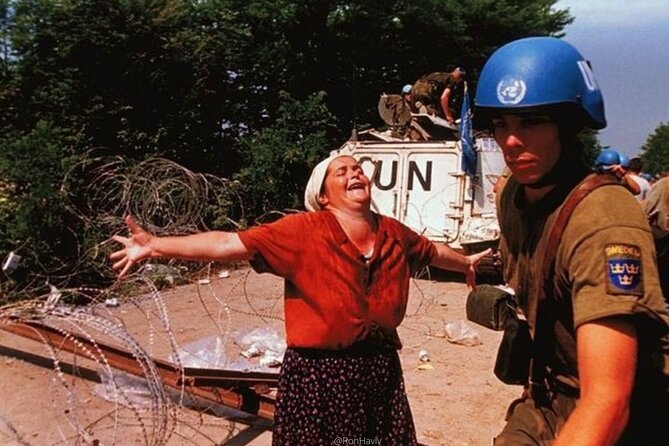
Some places demand your attention. This full-day trip from Sarajevo takes you to the Srebrenica Genocide Memorial, the former UN base at Potočari, and the town of Srebrenica, while giving you the historical setting needed to understand what happened. I especially like the small group size of up to eight people and the chance to hear personal wartime accounts from guides such as Almir, Ago, Enis, and Vedad. I also like that hotel pickup and drop-off remove a major transport headache. The main drawback is simple: this is a long, emotionally heavy day, with roughly five to six hours spent on the road.
You leave Sarajevo at 8 am and travel east through the mountains toward one of Europe’s darkest sites. Along the way, your guide explains the breakup of Yugoslavia, the Bosnian war, and the political divisions that still shape the country. That preparation matters. Without it, the museum, cemetery, and abandoned UN facilities can feel like disconnected stops rather than parts of one terrible story.
The tour costs $84.69 per person and includes transport, a driver-guide, a professional guide, and hotel pickup and return. Food and drinks cost extra, and lunch options near the memorial are limited, so bring water and expect to buy lunch locally. Free cancellation is available up to 24 hours before departure.
In This Review
- Key points before you book
- Why Srebrenica belongs on your Bosnia itinerary
- The morning drive from Sarajevo
- The former UN base at Potočari
- Srebrenica town and the limited lunch stop
- The cemetery at Srebrenica
- The guides make or break the day
- What the $84.69 price gives you
- Who should take this tour
- Practical ways to prepare
- Should you book the Srebrenica Study Tour?
- FAQ
- How long is the Srebrenica Study Tour?
- How far is Srebrenica from Sarajevo?
- What is included in the price?
- Is lunch included?
- Where does the tour start?
- Is the museum visit guided?
- How large is the group?
- Is the tour suitable for children?
- Can I cancel the tour?
Key points before you book
- A long eastbound journey: Plan on about 10 hours overall, with a scenic two-and-a-half to three-hour drive each way.
- A small group capped at eight: This gives you more room to ask questions and hear personal stories.
- The former UN battery factory: You visit the base where refugees sought protection during the war.
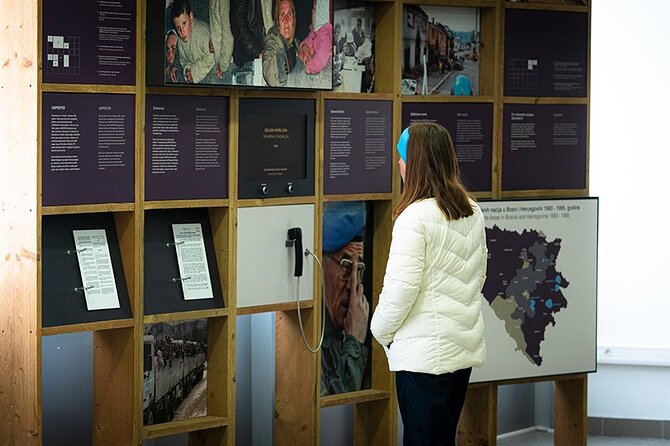
- A museum shaped by firsthand testimony: Multimedia displays, survivor accounts, films, and personal stories give the history a human face.
- A cemetery that keeps growing: The memorial includes identified victims buried over time, with additional burials continuing as remains are found.
- A serious, respectful experience: This is a study visit for remembrance and understanding, not a casual sightseeing outing.
Why Srebrenica belongs on your Bosnia itinerary
Srebrenica was declared a UN safe area during the Bosnian war. In July 1995, Bosniak men and boys were murdered after the enclave fell to Bosnian Serb forces. More than 8,000 people were killed in the genocide, and the crime is recognized as genocide by international courts.
That basic fact is important, but it does not tell you how the events unfolded. The value of this trip is that it connects the date and the number to real places: the road through eastern Bosnia, the former Dutch UN base, the museum rooms, the warehouse buildings, and the rows of white cemetery markers.
The area also helps you see how war reshaped ordinary life. Srebrenica had once been an industrial center. Today, the town is described as a ghost city, and the contrast between its former role and present condition is difficult to miss.
I appreciate that the tour does not treat Srebrenica as an isolated tragedy. The guide discusses the fall of Yugoslavia, the war’s political structure, and the divisions between Sarajevo, the Federation, and Republika Srpska. You also see the countryside of eastern Bosnia, where the scenery can be beautiful even as the history becomes increasingly painful.
Other tours covering the siege years and their sites:
- Fall of Yugoslavia, Sarajevo War Tour with Tunnel of Hope Museum and Frontlines
★ 5.0 · 1,314 reviews - Sarajevo: Tunnel Museum Yugoslavia War Tour with War Veteran
★ 5.0 · 1,111 reviews - ROSES OF SARAJEVO (Official WAR + CITY tour)- Story of a Survivor
★ 5.0 · 770 reviews
The morning drive from Sarajevo
The official start time is 8 am, either from the Meet Bosnia Tours office on Gazi Husrev begova Street or from an arranged pickup point. The exact pickup details are sent after booking, so check your email before the morning of departure.
The road trip is a major part of the day. The drive through eastern Bosnia takes around two-and-a-half to three hours, depending on the route and stops. It is not dead time. Guides use it to explain the political and military events that led to Srebrenica, and several guides have shared their own experiences of the war.
That personal element receives especially strong praise. Almir is described as open, patient, and willing to discuss both his wartime experience and present-day Bosnia. Vedad, Senad, Ago, Enis, and other guides are also noted for combining facts with local perspective. The approach varies by guide, but the best guides make the drive feel like a serious conversation rather than a recorded lecture.
You may stop for coffee, water, photographs, or a short break. One guide allowed extra photo stops in the countryside, while another added a view and an abandoned building when time allowed. These extras are not guaranteed, but they show why a small group can help. You can ask questions and, within the schedule, request a little more time at an interesting spot.
Still, be realistic about the ride. A three-hour drive each way is tiring, especially when combined with several museum and memorial visits. If you want a quick excursion, this is the wrong choice. If you want context and are willing to give up a full day, the travel time feels worthwhile.
The former UN base at Potočari
The first major visit is the former battery factory used by UN forces during the war. It is now home to the Srebrenica Genocide Museum and related memorial displays.
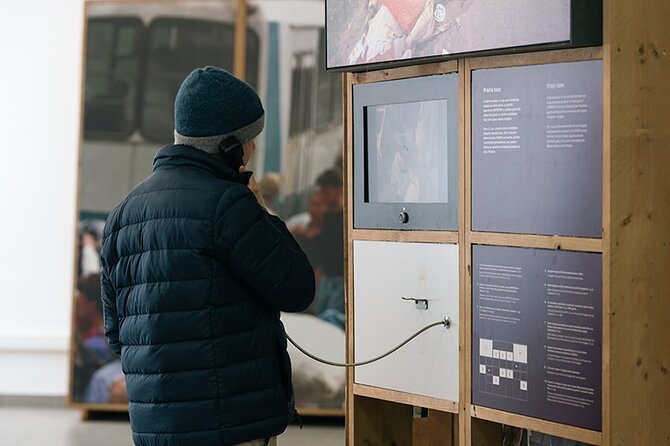
This location matters because it shows the physical setting in which civilians sought safety. The museum is not simply a collection of dates. It uses films, photographs, documents, survivor testimony, and multimedia material to explain what happened before, during, and after the fall of the enclave.
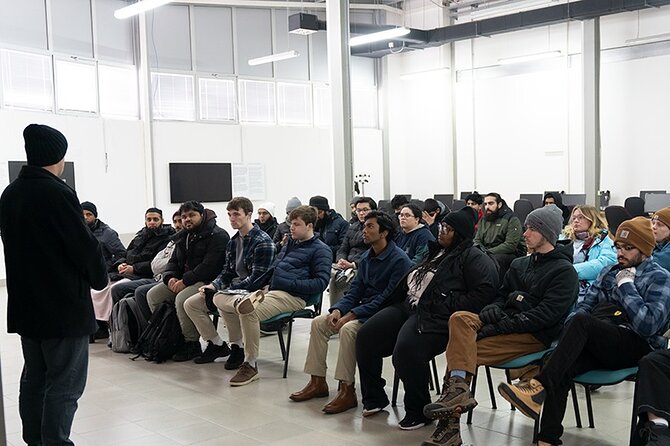
A curator is scheduled to guide you through the museum and share personal experience of surviving the Srebrenica enclave. Several accounts describe the curator’s testimony as one of the most affecting parts of the day. You may also have time to look through additional rooms and warehouse areas after the guided portion.
Allow yourself time here. One museum visit cannot reveal every display, and the material demands concentration. The films include authentic footage and can be especially difficult to watch. You do not need to rush from one exhibit to the next. Pause when you need to.
The memorial center does not soften the subject. That is one of its strengths, but it is also why you should prepare yourself emotionally. This is not an attraction designed for light entertainment. It asks you to listen, look, and think.
The Memorial Room adds another layer. A local journalist presents stories of victims, and part of the room addresses the perpetrators of the massacre. That focus helps move the visit beyond mourning alone. You are also asked to consider responsibility, denial, and the conditions that allowed the crime to happen.
There is one practical uncertainty. The memorial guide may not always be available, because another group or the current political situation can affect the program. The tour operator cannot control every change at the site. Your main guide still provides the broader explanation, but the exact balance between guided and independent museum time may vary.
Srebrenica town and the limited lunch stop
After the battery factory and museum, the tour continues into Srebrenica itself. The town is not presented as a polished tourist stop. Its quiet streets and reduced activity help you understand the long-term effect of the war and the displacement of its people.
You usually eat lunch in or near Srebrenica because there are limited dining choices around the memorial. Past stops have included a local bakery and a restaurant. Food is not included, so budget separately and do not expect a wide range of options.
This stop offers a needed pause. The morning’s material is intense, and a simple local meal gives you time to collect your thoughts before the cemetery visit. It also directs some spending to local businesses, which is a modest but useful part of visiting a place that has seen so much economic and social damage.
Do not expect a long restaurant experience. With a 10-hour schedule and a long return drive, lunch is practical rather than leisurely. If you have dietary needs, contact the operator before departure because the provided information does not promise a particular menu.
Same corner of the country, a different kind of day:
- Sarajevo: Mostar, Konjic, Blagaj Tekke, Pocitelj & Waterfall
★ 4.9 · 1,666 reviews - Sarajevo: Grand Walking Tour Through Time and Cultures
★ 4.8 · 1,236 reviews - Sarajevo: Mostar, Konjic, Sufi House, Pocitelj & Kravice Falls
★ 5.0 · 1,179 reviews - Sarajevo: Tunnel of Hope Tour – Survival and Resilience
★ 4.8 · 630 reviews
The cemetery at Srebrenica
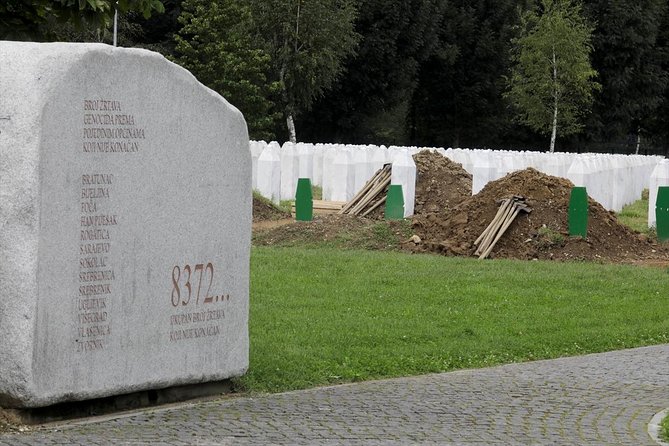
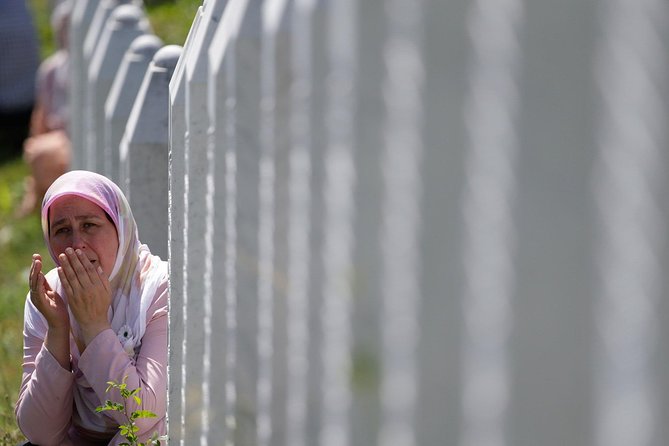
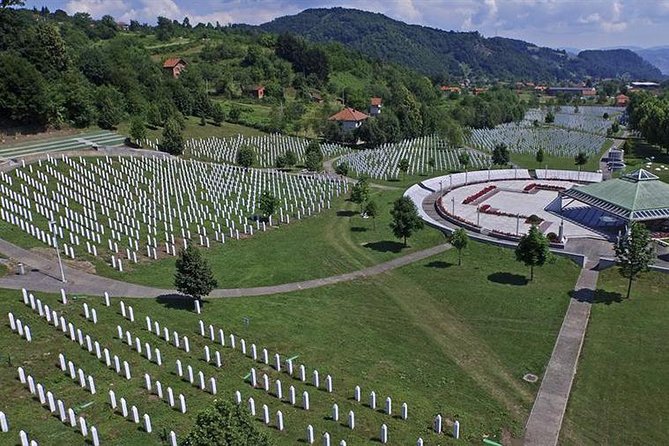
The Memorial Cemetery is the quiet center of the visit. White gravestones cover the hillside, marking identified victims of the genocide. The provided count is 6,575 identified victims at present, and the number continues to rise as remains are recovered and identified.
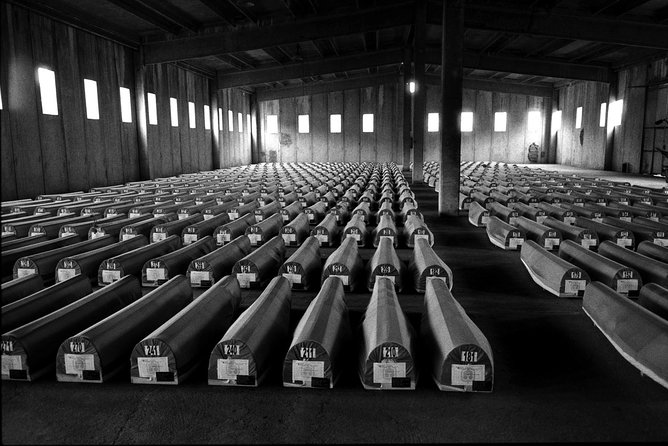
That changing number is not a footnote. It shows that the work of locating, identifying, and burying victims is still continuing decades later. People are still being disinterred from mass graves in the surrounding area and buried at the memorial.
The cemetery opened officially in 2003, with former US President Bill Clinton attending the opening. Since then, hundreds of victims have been buried in successive ceremonies. The rows of markers are visually simple, but the scale is hard to absorb.
You have about 40 minutes at the cemetery. That is enough for a respectful visit and personal reflection, though you may wish for longer if you want to walk slowly and take in every section. Photography should be approached with care. This is a burial place, not a scenic viewpoint, even though the surrounding hills are attractive.
The emotional impact varies from person to person. Some people find the cemetery more difficult than the museum because the individual names and graves make the numbers tangible. Others find the museum harder because of the films and testimony. You should allow yourself to respond in your own way, without expecting a tidy emotional ending.
The guides make or break the day
The operator uses several guides, so you may be assigned Almir, Ago, Enis, Vedad, Senad, Elmir, Ejub, Almis, or another member of the team. The strongest common thread is personal engagement. Guides are repeatedly praised for their historical knowledge, friendly manner, safe driving, and willingness to answer questions.
Almir receives especially strong approval for his firsthand account of the war, command of the political details, and ability to use gentle humor at suitable moments. That balance matters on a day this heavy. A little warmth during the long ride can help you stay focused without making light of the subject.
Ago is praised for tailoring the visit to the group, discussing Bosnia’s history and current political reality, and making people feel welcome. Enis is noted for making difficult material easier to follow, while Vedad is described as informative and entertaining during the journey.
The guide’s personal story can add real value, but it can also make the day more intense. You should ask questions respectfully and remember that firsthand accounts are personal perspectives, not a substitute for court findings or historical research. The best experience combines both.
What the $84.69 price gives you
At $84.69, this is a fair price for a full-day trip with transport from Sarajevo. You are paying for a long-distance vehicle, a driver-guide, a professional guide, hotel pickup and drop-off, and a small group that can have as few as two people.
The value is strongest if you do not have a rental car. Driving yourself to Srebrenica would require navigating a long route while also trying to understand a complicated political and military history. A guide lets you focus on the place and its meaning.
Food and drinks are extra. Bring a bottle of water, although some guides provide bottled water, and plan to pay for lunch. The tour does not list entrance charges because the main stops are included without an additional admission fee.
The small maximum group of eight is another reason the price works. A large bus can make a memorial visit feel impersonal. Here, you have a better chance to ask about the history, request a short photo stop, or discuss what you are seeing.
Who should take this tour
I would recommend this tour to anyone spending several days in Sarajevo who wants to understand Bosnia beyond its Ottoman streets, cafés, and mountain views. It is especially useful for first-time visitors who have only a general idea of the 1990s war.
You should also consider it if you value local testimony. The guides do not simply recite dates. Depending on your guide, you may hear about life during the war, the breakup of Yugoslavia, current political tensions, and the everyday reality of Bosnia today.
This tour is not a good fit if you have limited time, dislike long drives, or want a light day outside Sarajevo. It is also not suitable for treating a genocide memorial as a checklist stop. You need to give the visit your attention and respect.
Children must be accompanied by an adult. Most people can participate, and the tour is near public transport, but the supplied details do not give specific mobility information for each museum or cemetery area. If that matters to you, ask the operator before booking.
Practical ways to prepare
Wear comfortable clothing and shoes. You will spend much of the day in a vehicle, but you will also walk through museum areas, the former base, and the cemetery.
Eat breakfast before leaving Sarajevo. Lunch comes later, and nearby choices are limited. Carry water and keep your morning flexible in case the group stops for coffee or photographs.
Read a short account of the Bosnian war before you go if the subject is new to you. You do not need to master the politics, but knowing the basic timeline will help you follow the guide’s explanation.
Most important, leave room for quiet. You may want to talk with the group during the drive back, or you may prefer to listen to music and look out the window. One guide was praised for choosing thoughtful music on the return trip, which can be a small comfort after a difficult visit.
Should you book the Srebrenica Study Tour?
Yes, if you want a serious and well-supported visit to one of Bosnia and Herzegovina’s most important memorial sites. The long drive is the price of reaching Srebrenica from Sarajevo, but the guide’s preparation, firsthand accounts, museum visit, cemetery, and former UN base make the day far more meaningful than an independent stop would be.
Book it if you can spare the full day and are ready for disturbing material. The $84.69 cost is reasonable for the transport and guiding, particularly with a group limited to eight. Skip it only if your schedule is too tight or you are not prepared to give this history the attention it deserves.
FAQ
How long is the Srebrenica Study Tour?
The tour lasts about 10 hours. It begins at 8 am and returns to the Sarajevo meeting point after the visits and drive back.
How far is Srebrenica from Sarajevo?
The drive takes roughly two-and-a-half to three hours each way, depending on stops and road conditions.
What is included in the price?
The price includes a driver-guide, professional guide, hotel pickup, and hotel drop-off.
Is lunch included?
No. Food and drinks are not included. Lunch is arranged in or near Srebrenica, where dining choices are limited.
Where does the tour start?
The standard meeting point is Meet Bosnia Tours at Gazi Husrev begova 75 in Sarajevo. Pickup from another chosen location can be arranged, with exact details sent after booking.
Is the museum visit guided?
A curator is scheduled to guide the group through the Museum of Srebrenica Genocide. Availability can change if the memorial is handling another group or because of the current political situation.
How large is the group?
The maximum group size is eight people. On some departures, the group may be much smaller.
Is the tour suitable for children?
Children must be accompanied by an adult. Most people can participate, but the experience includes disturbing material about genocide and war.
Can I cancel the tour?
You can cancel for a full refund up to 24 hours before the scheduled start time. Cancellations or changes made less than 24 hours before departure are not accepted for a refund.
Newest around Sarajevo
- Understanding Srebrenica Genocide + Lunch with Local Family★ 4.9 · 14 reviews
- Private Full Day Safari Tour★ 5.0 · 8 reviews
- Sarajevo: Trebević Mountain Summit Hiking Tour★ 4.2 · 2 reviews
- From Sarajevo: Kozice Waterfalls Hiking Experience in Nature★ 5.0 · 2 reviews
- Sarajevo Under Siege: A War History Tour★ 5.0 · 10 reviews
- Mysterious Visoko Pyramids Driving and Walking Tour★ 5.0 · 7 reviews
- WAR TUNNEL – Sarajevo’s only way of a communication during the WAR – Top secret★ 5.0 · 12 reviews
- Ultimate Gastro Experience★ 4.5 · 14 reviews
War History & Siege Tours, compared.
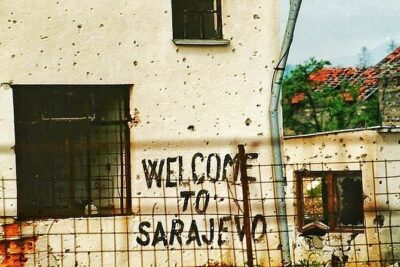
Fall of Yugoslavia, Sarajevo War Tour with Tunnel of Hope Museum and Frontlines
Read our review →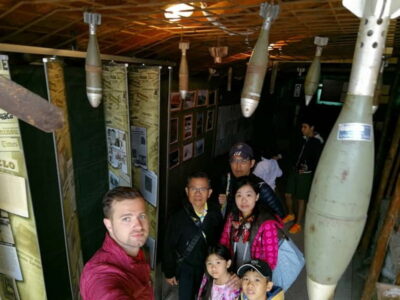
Tunnel Museum Yugoslavia War Tour with War Veteran
Read our review →
ROSES OF SARAJEVO (Official WAR + CITY tour)- Story of a Survivor
Read our review →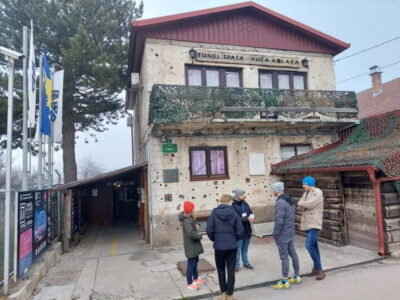
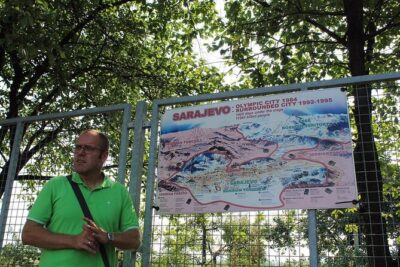
Tunnel Museum: Bosnian & Yugoslav Wars Tour with War Veteran
Read our review →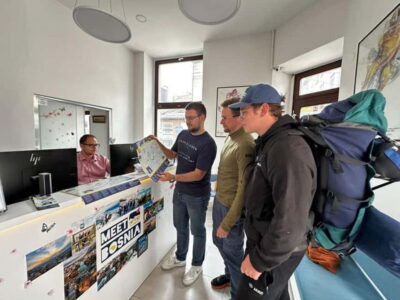
Bosnian War & Fall of Yugoslavia Tour with Tunnel
Read our review →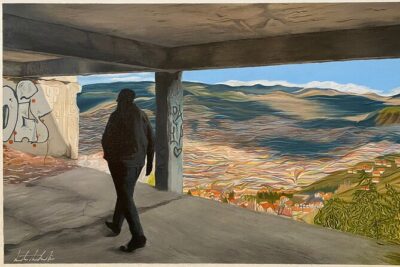
Sarajevo War Tour: A Veteran’s Story of the Siege (fees included)
Read our review →
Srebrenica Genocide Study Tour with War Veteran
Read our review →Browse the lists this tour appears in