
Review · WAR HISTORY & SIEGE TOURS
Sarajevo: Tunnel of Hope Tour – Survival and Resilience
Sarajevo’s survival story runs beneath the airport. This 2.5-hour tour makes the city’s wartime past easier to understand, linking street-level landmarks with the Tunnel of Hope Museum and the 100-meter section open to the public. I especially like the guided drive through Sarajevo, where places such as Markale Market, the Presidency Building, and the TV Building gain meaning before you reach the tunnel. I also value the personal storytelling from guides such as Nermin, a former police officer and war veteran who used the tunnel himself.
The main consideration is that you do not walk through the original full tunnel. You see a preserved and reconstructed section because underground water weakened the passage beneath the airport runway. The €22 price is fair for transport and guiding, but adults must also pay 20 BAM for museum admission, and the subject is painful and sometimes disturbing.
In This Review
- Key points to know before you book
- Why the Tunnel of Hope matters
- Starting at the Sarajevo Insider office
- Sarajevo’s wartime landmarks from the van
- Arriving at the Tunnel of Hope Museum
- Walking through the 100-meter tunnel section
- The 15 minutes of free time
- Returning through Sarajevo
- The guides make the biggest difference
- Is $22 plus admission good value?
- Who should take this tour?
- Practical tips for a smoother visit
- Should you book the Tunnel of Hope tour?
- FAQ
- How long does the Tunnel of Hope tour last?
- Where does the tour begin?
- Is the Tunnel of Hope Museum admission included?
- How much does the tour cost?
- How much of the tunnel will I walk through?
- Is this the original full tunnel?
- Is the tour suitable for wheelchair users?
Key points to know before you book
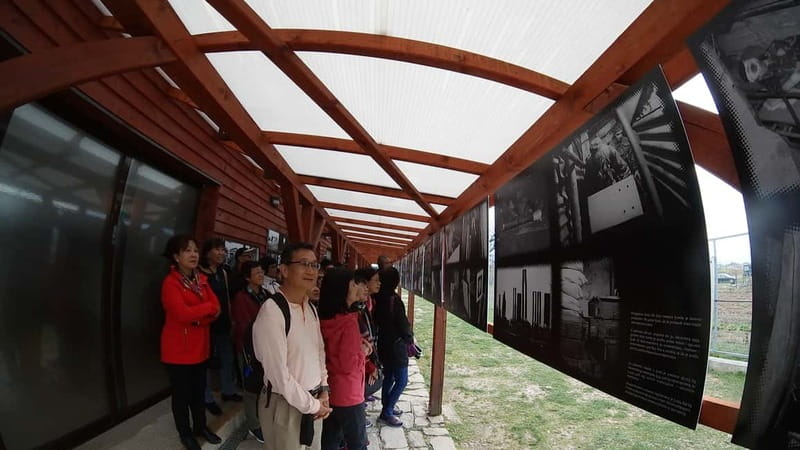
- The 100-meter tunnel section is the emotional center: You walk through a real portion of the wartime passage, but not the complete route beneath the airport.
- Personal stories make this more than a museum visit: Guides have included Nermin and other former police officers or war veterans who lived through the siege.
- The drive adds real context: Markale Market, the Presidency Building, the TV Building, Sniper Alley, and other locations appear along the route.
- The tour lasts 150 minutes: Plan for about 30 minutes through Sarajevo, an hour at the tunnel site, 15 minutes of free time, and the return drive.
- Admission costs extra: The tour is $22 per person, plus 20 BAM for adults or 8 BAM for students at the Tunnel of Hope Museum.
- Comfortable shoes matter: The tunnel is narrow, and the experience is not suitable for wheelchair users or people with mobility impairments.
Why the Tunnel of Hope matters
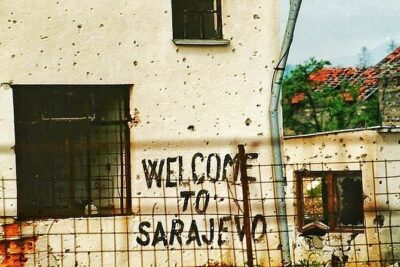
Sarajevo was known around the world for its 1984 Winter Olympics. Only eight years later, the city became trapped in the longest siege in modern warfare. Roads were dangerous, supplies were scarce, and residents faced constant fear while trying to keep ordinary life going.
The Tunnel of Hope was built as a lifeline. It connected besieged Sarajevo with territory outside the city, allowing supplies, people, and information to move through a route that avoided the exposed airport area. The passage did not make life safe, but it gave the city a way to resist isolation.
That practical purpose is what gives the visit its force. You are not looking at an abstract wartime monument. You are seeing the cramped route that helped a city maintain food supplies, communication, and military support.
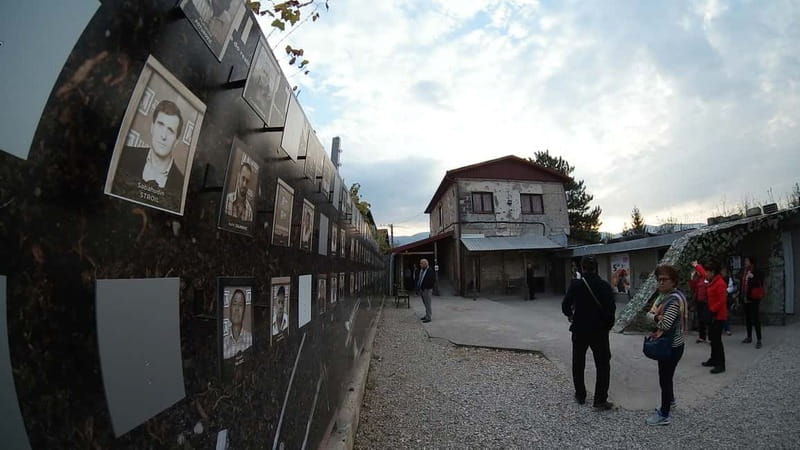
The museum also places the tunnel within the wider Bosnian War. You learn how the siege affected families, public services, movement around the city, and Sarajevo’s sense of identity. The strongest guides explain events in a factual way while also describing what it meant to live through them.
Other tours covering the siege years and their sites:
- Fall of Yugoslavia, Sarajevo War Tour with Tunnel of Hope Museum and Frontlines
★ 5.0 · 1,314 reviews - Sarajevo: Tunnel Museum Yugoslavia War Tour with War Veteran
★ 5.0 · 1,111 reviews - ROSES OF SARAJEVO (Official WAR + CITY tour)- Story of a Survivor
★ 5.0 · 770 reviews
Starting at the Sarajevo Insider office
The meeting point is the Sarajevo Insider Tour Office at Zelenih beretki 30, in central Sarajevo. The office is opposite the Sarajevo Museum, which makes it easier to locate than a random street corner. One participant who went to the wrong place was helped by the office staff, so contact the operator promptly if you have trouble finding the entrance.
The tour uses modern transportation, usually a minibus or van. The drive is not filler. It gives the guide time to explain the city’s wartime geography and point out locations from the road.
The total time is listed as 150 minutes. The detailed schedule allows about 30 minutes for the outward city drive, one hour at the tunnel, 15 minutes of free time, and another 30 minutes returning through Sarajevo. The remaining time covers meeting, boarding, and moving between stops.
That timing works well for a busy Sarajevo visit. You get enough time at the museum to watch the material and walk the tunnel without giving away half a day. Still, this is a serious subject, not a quick sightseeing loop. I would avoid placing a lighthearted activity immediately afterward.
Sarajevo’s wartime landmarks from the van
The city portion helps you see how the siege affected central Sarajevo. The exact order can vary, but the tour passes important locations connected with wartime leadership, civilian life, and communication.
Markale Market is one of the most painful stops in the city’s recent past. It became a symbol of the danger faced by civilians in places that should have been part of normal daily life. Seeing the market area after learning about the siege gives the site weight without requiring a long separate museum visit.
The Presidency Building connects the street scene with Bosnia and Herzegovina’s wartime leadership. Your guide can explain why government buildings, public offices, and communication centers mattered during the conflict.
The TV Building was a key broadcasting hub. Television and radio helped maintain contact with the outside world and offered information to people inside the city. Passing it on the way to the tunnel reinforces a central idea of the tour: survival depended on communication as much as food and weapons.
Several guides also point out places linked with Sniper Alley, press offices, and other sites along the route. These views are from the vehicle, not long walking stops. That is useful for orientation, but you should not expect to get out at every location for a detailed visit.
The drive is especially valuable if you know little about Sarajevo. A guide can explain the surrounding areas, the causes of the war, the siege itself, and what followed. Instead of arriving at the tunnel with one isolated fact, you begin to understand how the city fit together.
Arriving at the Tunnel of Hope Museum
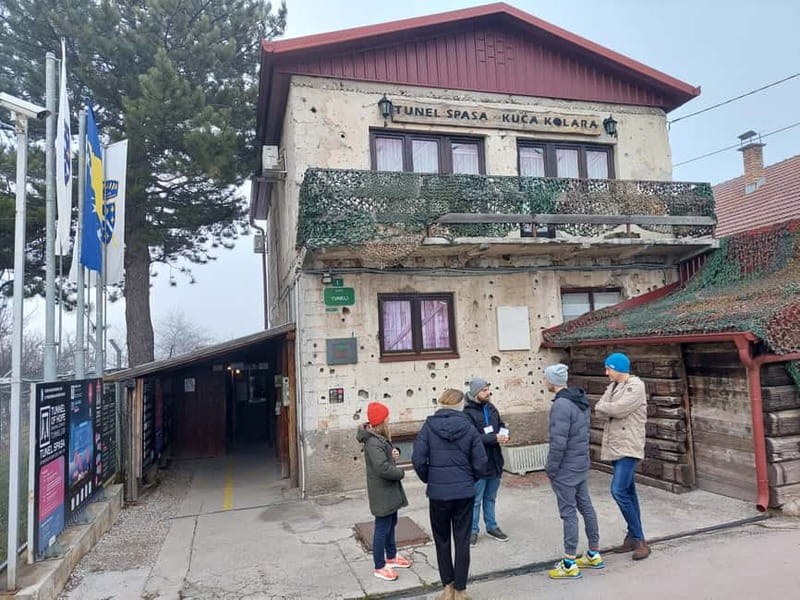
The museum is located near Sarajevo Airport, where the tunnel once ran beneath the runway area. The site includes a house that served as the entrance to the passage and displays about its construction and wartime use.
The guide first explains the strategic problem. Sarajevo was cut off, while the airport zone created a dangerous barrier between the city and routes leading outward. Building a passage by hand under such conditions required planning, labor, and nerve.
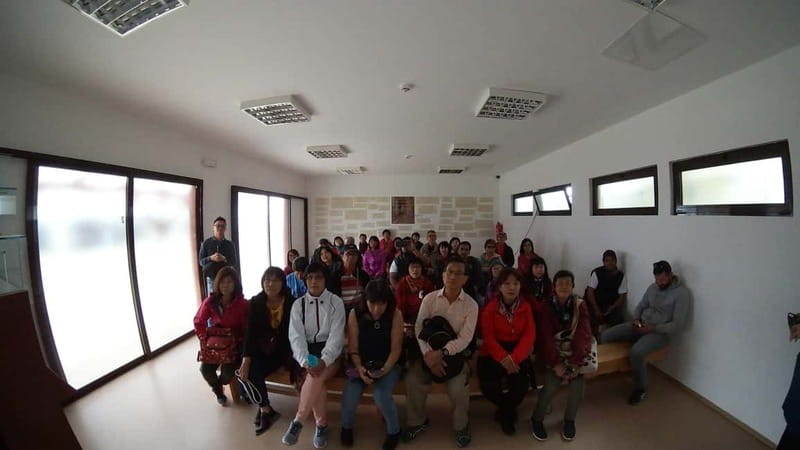
Inside, you see documentary material and displays that show how the tunnel functioned. The videos can be hard to watch because they depict civilian suffering and the conditions created by the siege. That is not a flaw, but you should know the tone before booking.
The visit is most effective when the guide connects the objects and film to daily life. How did people cope with shortages? How did supplies move? What did it mean to carry goods through a narrow passage while the city remained under threat? These questions turn the museum from a collection of wartime images into a place with human scale.
Guides with firsthand experience add another layer. Nermin, for example, has been described as a former police officer and war veteran who used the tunnel during the siege. Other departures have also included guides who lived through the conflict. Their memories can make the material feel immediate, but a good guide should still separate personal experience from the wider historical record.
Same corner of the country, a different kind of day:
- Sarajevo: Mostar, Konjic, Blagaj Tekke, Pocitelj & Waterfall
★ 4.9 · 1,666 reviews - Sarajevo: Grand Walking Tour Through Time and Cultures
★ 4.8 · 1,236 reviews - Sarajevo: Mostar, Konjic, Sufi House, Pocitelj & Kravice Falls
★ 5.0 · 1,179 reviews - Tunnel Museum: Bosnian & Yugoslav Wars Tour with War Veteran
★ 5.0 · 551 reviews
Walking through the 100-meter tunnel section
The tour allows you to walk through 100 meters of the tunnel. It is narrow, enclosed, and physically modest. That is precisely the point. The passage does not look like a grand engineering project. It feels like a hard-won route made for necessity.
You should wear comfortable shoes and clothing. The surface and limited space call for steady footing, and large bags are not allowed. Pets, alcohol, and drugs are also prohibited. The tour is not suitable for wheelchair users or people with mobility impairments.
A crucial detail is that this is not the complete original route. The tunnel beneath the runway is closed for safety because underground water weakened it. What you see is a preserved or reconstructed section of the tunnel complex, not a walk from one side of the airport to the other.
That distinction matters because some people arrive expecting a long underground trek. The actual walk is short, but its meaning is large. Once you know that thousands of people depended on this kind of passage, even 100 meters can feel significant.
The house and tunnel are best approached with patience. Read the displays, listen to the guide, and allow yourself a quiet moment. The experience is not designed as entertainment, and the emotional response can vary from person to person.
The 15 minutes of free time
After the guided portion, you have about 15 minutes to look around on your own. This is enough time for a closer look at the museum material and a second walk through the accessible tunnel section if the schedule permits.
I like having this pause because the guided explanation comes quickly. You can return to a photograph, watch part of a documentary, or simply let the information settle without a running commentary.
Do not expect a large museum complex with hours of galleries. The power of this site comes from the house, the short tunnel passage, the documentary material, and the story attached to them. The free time is a chance to notice details, not a separate museum afternoon.
Returning through Sarajevo
The return drive continues the commentary. The guide may point out additional sites and explain how the siege shaped the modern city. On some departures, the route has included extra viewpoints such as the Yellow Fortress, though this should not be treated as a guaranteed stop.
This second explanation is useful because the first drive introduces the setting and the visit gives you physical evidence. On the way back, you can ask sharper questions. You may want to understand how Sarajevo’s residents moved around the city, how public institutions continued working, or what changed after the war.
The best part of the return is its connection between past and present. Sarajevo is not frozen in the 1990s. It is a living city, but the marks of the siege remain part of its public memory and modern identity.
The guides make the biggest difference
The tour’s strongest feature is its guiding. Names mentioned by past participants include Nermin, Adis, Ermin, and Safte, but the assigned guide can change. Several have been described as former police officers, military veterans, or people who lived through the siege.
That background can make the tour unusually personal. A guide who used the tunnel or worked during the war can explain small details that a printed sign cannot. You may hear about movement through the passage, the pressure of daily life, and the long effects of the conflict on Sarajevo.
Personal testimony needs care. The subject involves trauma, politics, and competing memories. The most useful guides combine their own experience with a clear account of the wider conflict. The strongest feedback about this tour points to guides who answer questions patiently, speak with pride but not spectacle, and present events in a measured way.
Language choices include English, Bosnian, German, French, Italian, and Spanish. If the details of the war matter deeply to you, check your selected departure language before paying.
Is $22 plus admission good value?
At $22 per person, the tour is reasonably priced for a 150-minute experience with a licensed guide and modern transportation. The van saves you the trouble of arranging transport to the airport area, while the commentary turns the drive into part of the lesson.
Adults pay an additional 20 BAM for the Tunnel of Hope Museum, while students pay 8 BAM. The supplied prices list these as about €10.50 for adults and €4.50 for students. Bring cash, especially if you want to avoid a payment problem, since one recent visit reported that cash was accepted at the time.
The total cost is higher than simply finding your own way to the museum, but the comparison is not just about transport. Going alone gives you the tunnel and displays. This tour adds the city drive, explanations of Markale Market and other wartime sites, and the chance to ask questions throughout the visit.
For someone already well read on the Bosnian War, the value depends on the guide. For someone new to Sarajevo’s recent past, the tour gives a useful framework in a short period. I consider the extra cost worthwhile if you want context rather than a quick photo stop.
Who should take this tour?
I recommend it most strongly if you want to understand Sarajevo beyond its Ottoman streets, Austro-Hungarian buildings, cafés, and mountain views. The tour explains why the city’s recent past still matters and how ordinary people responded to extreme conditions.
It is also a good choice if you have visited other war museums in Bosnia and Herzegovina and want a place that connects personal stories with a physical site. The tunnel makes the subject tangible.
You should think twice if you dislike enclosed spaces, have mobility limits, or prefer light sightseeing. The tunnel is narrow, the subject is upsetting, and the walking conditions are not suitable for everyone.
Families with older teenagers may find it useful, but parents should judge the documentary material for themselves. The operator specifically warns that some people may find the story disturbing.
Practical tips for a smoother visit
- Wear shoes that are comfortable for walking through a narrow passage.
- Bring comfortable clothes rather than bulky outerwear.
- Keep bags small. Oversize luggage and large bags are not allowed.
- Carry cash for the 20 BAM adult or 8 BAM student admission fee.
- Arrive at the Sarajevo Insider office at Zelenih beretki 30, opposite the Sarajevo Museum.
- Keep an open block of time around the tour, since the experience can take the full 150 minutes.
- Ask questions during the drive. The guide’s explanations of the passing sites are a major part of the value.
- Be ready for difficult images and personal accounts of wartime suffering.
Free cancellation is available up to 24 hours before departure for a full refund, and you can reserve now and pay later. Starting times vary, so check the available departure when planning your day.
Should you book the Tunnel of Hope tour?
Yes, if you want a serious and well-guided look at Sarajevo’s siege. The museum alone is important, but the combination of city landmarks, transport, documentary material, the 100-meter tunnel walk, and firsthand testimony gives you a fuller picture.
Book it knowing exactly what you will see: a preserved section, not the entire original tunnel, plus an emotionally difficult account of civilian survival. If Nermin or another guide with direct wartime experience is leading your departure, the personal perspective may make the visit especially powerful, but the tour remains worthwhile for its wider route and historical setting.
At $22 plus admission, this is a fair buy for anyone interested in Bosnia and Herzegovina’s recent past. I would place it high on a Sarajevo itinerary, ideally after you have had time to enjoy the city and before you leave with only a postcard version of its story.
FAQ
How long does the Tunnel of Hope tour last?
The experience lasts 150 minutes, or about two and a half hours.
Where does the tour begin?
It starts at the Sarajevo Insider Tour Office, Zelenih beretki 30, Sarajevo 71000, opposite the Sarajevo Museum.
Is the Tunnel of Hope Museum admission included?
No. Adults pay 20 BAM, and students pay 8 BAM for admission.
How much does the tour cost?
The listed tour price is $22 per person. Museum admission is charged separately.
How much of the tunnel will I walk through?
You will walk through 100 meters of the tunnel section open to the public.
Is this the original full tunnel?
No. The original passage beneath the airport runway is closed because underground water weakened it. The visit includes a preserved or reconstructed section.
Is the tour suitable for wheelchair users?
No. The experience is not suitable for wheelchair users or people with mobility impairments.
Newest around Sarajevo
- Understanding Srebrenica Genocide + Lunch with Local Family★ 4.9 · 14 reviews
- Private Full Day Safari Tour★ 5.0 · 8 reviews
- Sarajevo: Trebević Mountain Summit Hiking Tour★ 4.2 · 2 reviews
- Sarajevo Under Siege: A War History Tour★ 5.0 · 10 reviews
- From Sarajevo: Kozice Waterfalls Hiking Experience in Nature★ 5.0 · 2 reviews
- Mysterious Visoko Pyramids Driving and Walking Tour★ 5.0 · 7 reviews
- WAR TUNNEL – Sarajevo’s only way of a communication during the WAR – Top secret★ 5.0 · 12 reviews
- Ultimate Gastro Experience★ 4.5 · 14 reviews
War History & Siege Tours, compared.
Fall of Yugoslavia, Sarajevo War Tour with Tunnel of Hope Museum and Frontlines
Read our review →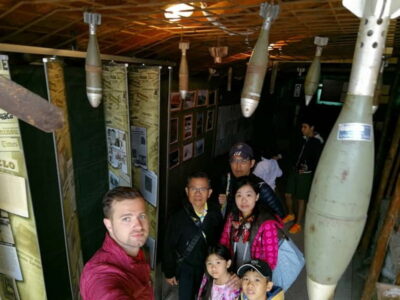
Tunnel Museum Yugoslavia War Tour with War Veteran
Read our review →
ROSES OF SARAJEVO (Official WAR + CITY tour)- Story of a Survivor
Read our review →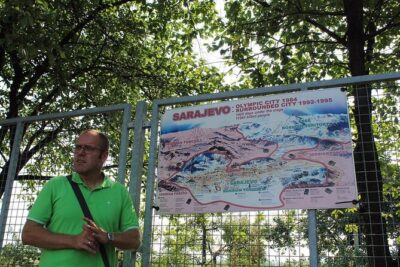
Tunnel Museum: Bosnian & Yugoslav Wars Tour with War Veteran
Read our review →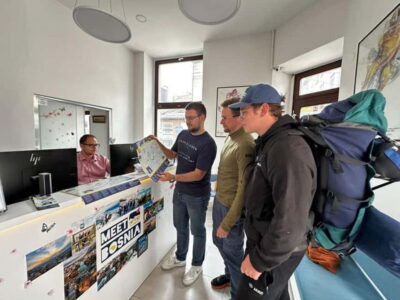
Bosnian War & Fall of Yugoslavia Tour with Tunnel
Read our review →
Sarajevo War Tour: A Veteran’s Story of the Siege (fees included)
Read our review →
Srebrenica Genocide Study Tour with War Veteran
Read our review →Browse the lists this tour appears in