
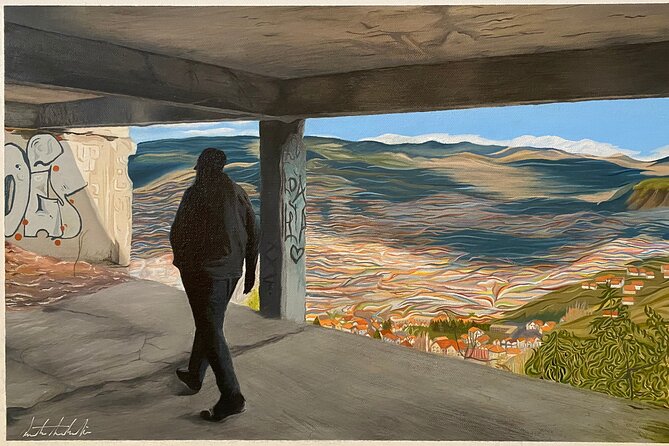
Review · WAR HISTORY & SIEGE TOURS
Sarajevo War Tour: A Veteran’s Story of the Siege (fees included)
Sarajevo’s recent past is impossible to miss. This four-hour tour connects the city’s most important siege sites with the personal story of a Sarajevo war veteran, giving you far more context than a museum visit alone. I especially like the first-person guiding and the chance to see both the War Tunnel and the old Olympic bobsleigh track. The main drawback is that the schedule can feel full, and one guest noted that not every listed stop was reached.
The tour also offers useful door-to-door service. You can be picked up at your Sarajevo accommodation, ride in an air-conditioned vehicle, and return to a convenient location afterward. I would allow extra time for the emotional weight of the subject, and I would not book this as a light sightseeing outing.
In This Review
- Five things to know before booking
- Why a veteran guide changes the experience
- Starting at Funky Tours and crossing Sarajevo
- Sniper Alley and the Holiday Inn
- Inside the War Tunnel Museum
- Trebević Mountain and the former front line
- The Sarajevo Olympic bobsleigh track
- The Jewish Cemetery and the return to Sarajevo
- Is $48.39 good value?
- Who should book this Sarajevo war tour?
- Practical details for a smoother visit
- Should you book it?
- FAQ
- How long is the Sarajevo War Tour?
- Where does the tour begin?
- Is pickup available in Sarajevo?
- Is the War Tunnel entrance included?
- What language is the tour offered in?
- How many people can join the tour?
- Is much walking involved?
- Can I cancel for a full refund?
Five things to know before booking
- A Sarajevo siege survivor leads the tour: Guides such as Adnan, Mustafa, Enes, Omer, Ibrahim, Edo, and others share personal memories, not just dates and military facts.
- The War Tunnel takes about 90 minutes: You see a short film, enter part of the tunnel, and examine objects connected with life during the siege.
- Trebević gives the widest wartime view: Former front-line positions, bunkers, trenches, shrapnel, and ruined facilities help explain how Sarajevo was surrounded.
- The Olympic bobsleigh track is both historic and photogenic: The 1984 venue later became a front-line site and now carries layers of graffiti.
- The small group has practical value: A maximum of eight people makes it easier to ask questions about Yugoslavia, the war, and personal experiences.
- The price covers the essential costs: At $48.39 per person, the fee includes pickup, drop-off, transport, guide services, taxes, and the War Tunnel entrance.
Why a veteran guide changes the experience
Sarajevo’s siege lasted from 1992 to 1995, and its story can be difficult to grasp from a map or a display case. The city was cut off, exposed to shelling and sniper fire, and dependent on narrow routes for food, medicine, people, and military supplies.
A guide who lived through those years can explain what those facts meant in daily life. The guides on this tour have described their experiences as soldiers, children, residents, or people moving through the tunnel. Adnan is praised for combining his wartime service with later work toward peace and reconciliation. Mustafa is known for placing the conflict in the wider story of Yugoslavia. Enes brings energy and humor to a difficult subject, while Omer has even shown his childhood home and explained what happened there.
That personal approach is the tour’s greatest strength. You can ask questions about ordinary life, fear, family, politics, and survival. The guide is also willing to discuss the breakup of Yugoslavia and the competing national aims that led to war. This is useful because the conflict is complicated, and a short visit to Sarajevo rarely explains it clearly.
Still, personal storytelling requires care. A guide’s account is one viewpoint, shaped by lived experience and local understanding. I see that as a reason to listen closely and ask respectful questions, not a reason to expect a single final explanation of every political issue.
Other tours covering the siege years and their sites:
- Fall of Yugoslavia, Sarajevo War Tour with Tunnel of Hope Museum and Frontlines
★ 5.0 · 1,314 reviews - Sarajevo: Tunnel Museum Yugoslavia War Tour with War Veteran
★ 5.0 · 1,111 reviews - ROSES OF SARAJEVO (Official WAR + CITY tour)- Story of a Survivor
★ 5.0 · 770 reviews
Starting at Funky Tours and crossing Sarajevo
The tour begins at the Funky Tours office on Besarina čikma 5, though complimentary pickup is offered from your preferred location in Sarajevo. The vehicle is air-conditioned, and the group size is limited to eight people.
The early drive introduces the breakup of Yugoslavia and the siege before you reach the main sites. This matters because Sarajevo’s wartime locations make more sense once you understand how the country fell apart and why the city became a target.
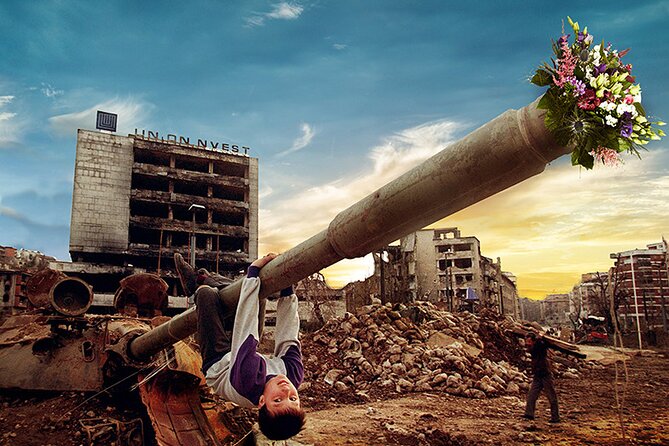
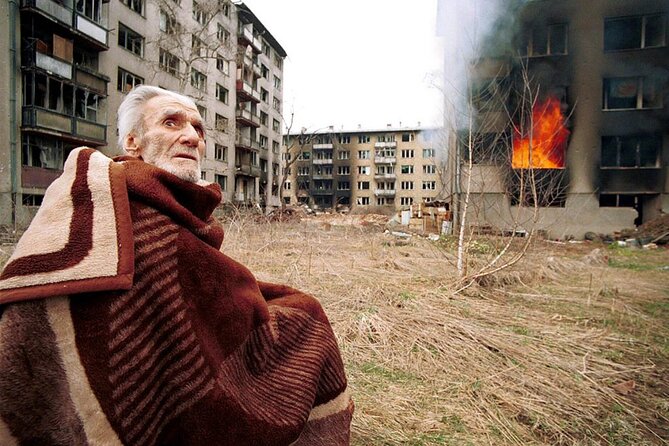
You pass Markale Market, the site of Sarajevo’s largest massacre during the war. You also pass a memorial to the 1,601 children killed in Sarajevo between 1992 and 1995. These are brief roadside moments, but they bring the human cost into view before the longer museum visit.
The tour is not arranged as a standard old-town walk. You spend most of the time in the vehicle or at designated stops, which keeps walking fairly light. That suits anyone who wants a broad view of the city’s wartime geography, though the subject matter is heavy from the start.
Sniper Alley and the Holiday Inn
The first major stop is the Hotel Holiday in the Marijin Dvor area. Built for the 1984 Sarajevo Winter Olympics, the hotel became home to foreign journalists reporting on the war and the siege.
The surrounding road became known as Sniper Alley, a name that needs little explanation. It was one of the most dangerous parts of the city, exposed to fire from positions on the hills. Your guide explains how the road functioned during the siege and why the hotel mattered to international reporting.
This stop is brief, around 15 minutes, so do not expect a long museum visit or a detailed interior tour. Its value comes from location. You are looking at a place that connects Sarajevo’s Olympic optimism with the danger that followed only a few years later.
I find this contrast especially powerful. The same city that welcomed athletes in 1984 was soon being watched by reporters from behind windows and barricades. The stop helps you picture Sarajevo as a living city caught inside a war, rather than as a distant event in a textbook.
Inside the War Tunnel Museum
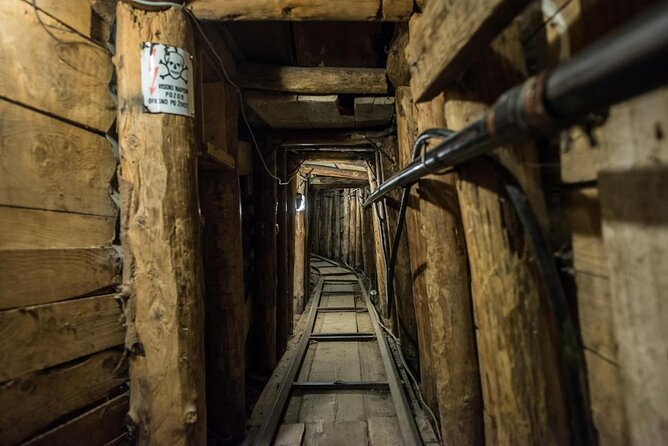
The War Tunnel Museum, also called the Tunnel of Hope, is the heart of the tour. You spend about 90 minutes here, including a short film, a walk through part of the tunnel, and time with exhibits linked to the siege.
The tunnel was built beneath the airport runway and became the main supply route into and out of the surrounded city. It carried food, medicine, equipment, and people when normal roads were blocked. Calling it a city’s blood vessel is not an exaggeration. Without this route, Sarajevo’s situation would have been even worse.
Only a section of the original tunnel is open to visitors. It is not a long underground expedition, but the narrow passage gives you a physical sense of the route’s limits. You can better understand the effort required to move through it, especially when carrying supplies or trying to reach safety.
The exhibits add practical detail to the guide’s account. The short film gives basic background, while the objects on display connect the large political story to the tools and conditions of everyday survival.
This is where the veteran guide makes the biggest difference. Someone who used the tunnel can explain more than its construction date or length. You can ask what it meant to use the passage, who depended on it, and how it fitted into the wider siege.
The entrance fee of 10.5 euros for an adult, or 2.5 euros for children and students, is included. That makes the $48.39 total price easier to judge, since you are not adding the main museum admission later.
Same corner of the country, a different kind of day:
- Sarajevo: Mostar, Konjic, Blagaj Tekke, Pocitelj & Waterfall
★ 4.9 · 1,666 reviews - Sarajevo: Grand Walking Tour Through Time and Cultures
★ 4.8 · 1,236 reviews - Sarajevo: Mostar, Konjic, Sufi House, Pocitelj & Kravice Falls
★ 5.0 · 1,179 reviews - Sarajevo: Tunnel of Hope Tour – Survival and Resilience
★ 4.8 · 630 reviews
Trebević Mountain and the former front line
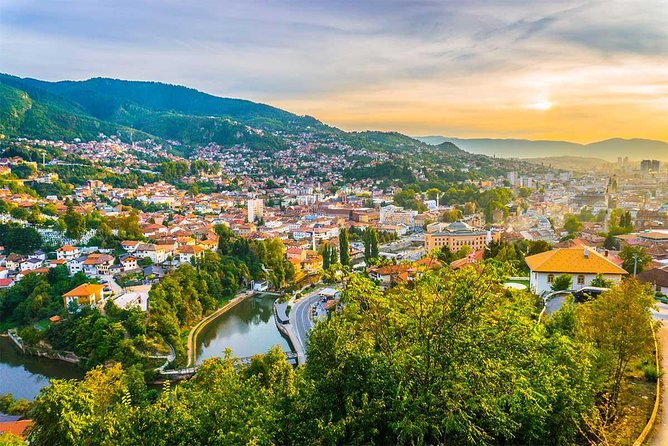
After the tunnel, the vehicle climbs Trebević Mountain. During the siege, much of the mountain served as a front line, with military positions overlooking Sarajevo.
At sites such as Zlatište, Osmice, and Trebević Vidikovac, you may see ruined facilities, bunkers, trenches, minefield remnants, tank tracks, bullet marks, and grenade fragments. Some damaged structures have not been restored, so the mountain still carries visible traces of the fighting.
This part is valuable because it explains the city’s military position. From the heights, you can see why Sarajevo was so exposed and why the surrounding hills mattered so much. Your guide can point out positions and describe the distance between the mountain and the city below.
The planned stop at Trebević Mountain lasts about 30 minutes, followed by roughly 20 minutes at Trebević Vidikovac. The viewpoint is one of the most attractive places on the route, but its importance is not only scenic. It was a position held by the Army of Republika Srpska, and the guide explains how the height advantage shaped the conflict.
The route can become more physical here. One person with limited mobility could not comfortably walk along the bobsleigh track, so the guide arranged for that person to wait at a hotel for coffee while the rest of the group explored. The published information describes walking as limited, but you should still mention mobility needs when booking.
The Sarajevo Olympic bobsleigh track
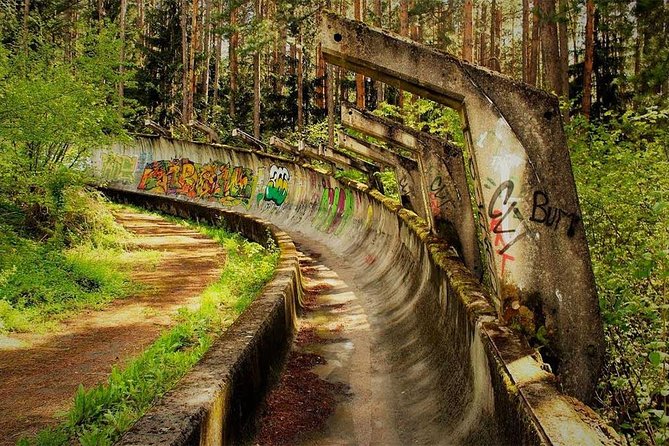
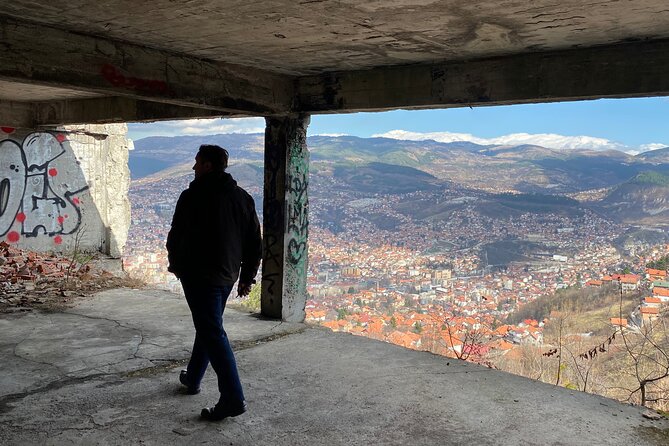
The abandoned bobsleigh and luge track is one of the tour’s most memorable stops. Built for the 1984 Winter Olympics, it represents Yugoslavia’s international ambitions before the war. During the siege, it sat on a major front line.
Today, graffiti covers sections of the brutalist concrete structure. The colors and artwork make it a striking place to photograph, but the setting is not simply an abandoned sports attraction. Your guide explains how the track was used during the conflict and why the surrounding mountain was strategically important.
You can walk along part of the track and see the remains up close. One guest described the walk from the car park as longer than expected, especially for someone with limited mobility. If you have trouble walking, ask about the route before setting out.
Weather can also affect this stop. In poor conditions, the views from Trebević may disappear, and the track can feel less comfortable. Still, the combination of Olympic architecture, wartime damage, forest setting, and graffiti gives the stop a character you will not find in a conventional city tour.
The Jewish Cemetery and the return to Sarajevo
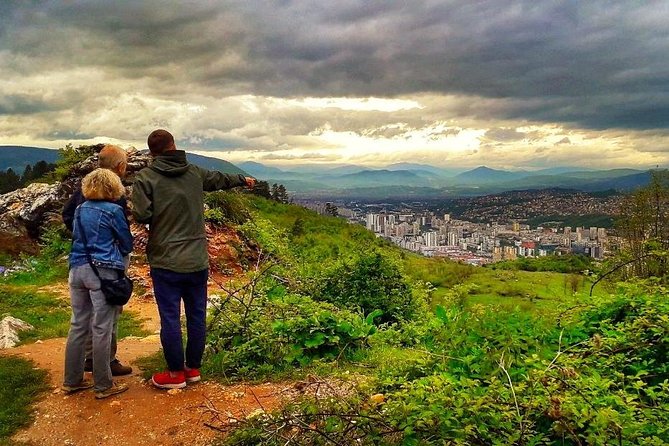
The final stop is the Jewish Cemetery, one of the largest Jewish cemeteries in Europe. During the siege, it became a front-line area and a sniper position for the Army of Republika Srpska.
The cemetery offers another clear view toward the city and helps explain how exposed Sarajevo was. It is also a place of layered memory, with religious, cultural, and military meaning in the same setting.
The stop lasts about 15 minutes. That is enough for an explanation and a look around, but not enough for a long cemetery visit or a full account of Sarajevo’s Jewish community. If that subject interests you, plan separate time elsewhere in the city.
Afterward, the driver returns you to your chosen Sarajevo location. Several drop-off points can be offered near accommodations, which is handy after an intense morning or afternoon.
Is $48.39 good value?
At $48.39 per person, this is a fair price for a four-hour private-vehicle experience with a small group. You are paying for transport to several places spread around Sarajevo, a guide who is also a siege survivor, the War Tunnel admission, taxes, and pickup and drop-off.
The value is strongest if you are new to Sarajevo or have only a short stay. Reaching Trebević, the cemetery, the Holiday Inn, and the tunnel independently would take planning and separate transport. A local guide also gives the sites a clear order and explains the connection between them.
The price does not include food or drinks, but the tour lasts about four hours and is not built around a meal stop. That omission is minor. You should simply eat beforehand if you prefer a morning tour without a break.
The small group limit of eight is another reason the price works. A group this size allows direct questions and makes it easier to hear personal stories. One guide may talk more than another, and Enes in particular has been described as very talkative, so tell your guide if you want more time for questions or quiet reflection.
Who should book this Sarajevo war tour?
I would choose this tour if you want to understand the siege through places and personal accounts rather than only through museums. It suits first-time visitors, people with a strong interest in 20th-century European history, and anyone who wants to understand why Sarajevo looks and feels the way it does today.
It is also a good first-day activity. The route gives you a basic map of the city, explains the main wartime events, and helps you recognize important locations during the rest of your stay.
You should think twice if you want a relaxed sightseeing trip, dislike difficult war history, or need a fully step-free route. The walking is described as limited, but the bobsleigh track and mountain stops can involve uneven ground and a longer walk than expected.
The guide’s openness is central to the experience. You can ask personal questions, but respectful conversation matters. This is not a theatrical performance, and the best moments come when the guide explains real memories in a calm, human way.
Practical details for a smoother visit
You can meet at Funky Tours, Besarina čikma 5, or arrange pickup and drop-off at your preferred Sarajevo location. Confirmation is sent within 48 hours, subject to availability, so booking ahead is sensible. The tour is often reserved several weeks in advance, with an average booking time of 27 days.
The activity is offered in English. Service animals are allowed, and the vehicle is air-conditioned. Most people can take part, but contact the operator about mobility concerns before booking, especially if you want to walk along the bobsleigh track.
The tour has free cancellation up to 24 hours before the start time. Cancelling or changing the booking less than 24 hours ahead is not accepted for a refund.
Should you book it?
Yes, if you want a serious, personal introduction to Sarajevo’s siege. The War Tunnel is essential, but the mountain positions, Sniper Alley, cemetery, and Olympic bobsleigh track give that visit a much wider setting. The strongest reason to book is the guide: names such as Adnan, Mustafa, Enes, Omer, Ibrahim, and Edo have all been praised for combining facts with personal stories, patience, humor, and thoughtful discussion.
I would book it early in your Sarajevo stay and keep the rest of that day flexible. You may finish with a clearer understanding of the war, but also with a lot to think about.
FAQ
How long is the Sarajevo War Tour?
The tour lasts approximately four hours.
Where does the tour begin?
You can meet at Funky Tours, Besarina čikma 5, Sarajevo 71000, Bosnia and Herzegovina.
Is pickup available in Sarajevo?
Yes. Complimentary pickup and drop-off are offered at your preferred location in Sarajevo when needed.
Is the War Tunnel entrance included?
Yes. The War Tunnel Museum entrance fee is included in the tour price. The listed admission is 10.5 euros for adults and 2.5 euros for children and students.
What language is the tour offered in?
The tour is offered in English.
How many people can join the tour?
The maximum group size is eight people.
Is much walking involved?
Only a limited amount of walking is involved, but the bobsleigh track and mountain stops can require walking on uneven ground. One person with limited mobility was able to wait at a hotel while others explored the track.
Can I cancel for a full refund?
Yes, if you cancel at least 24 hours before the experience starts. Cancellations and changes made less than 24 hours before the start time are not accepted for a refund.
Newest around Sarajevo
- Understanding Srebrenica Genocide + Lunch with Local Family★ 4.9 · 14 reviews
- Private Full Day Safari Tour★ 5.0 · 8 reviews
- Sarajevo: Trebević Mountain Summit Hiking Tour★ 4.2 · 2 reviews
- From Sarajevo: Kozice Waterfalls Hiking Experience in Nature★ 5.0 · 2 reviews
- Sarajevo Under Siege: A War History Tour★ 5.0 · 10 reviews
- Mysterious Visoko Pyramids Driving and Walking Tour★ 5.0 · 7 reviews
- WAR TUNNEL – Sarajevo’s only way of a communication during the WAR – Top secret★ 5.0 · 12 reviews
- Ultimate Gastro Experience★ 4.5 · 14 reviews
War History & Siege Tours, compared.
Fall of Yugoslavia, Sarajevo War Tour with Tunnel of Hope Museum and Frontlines
Read our review →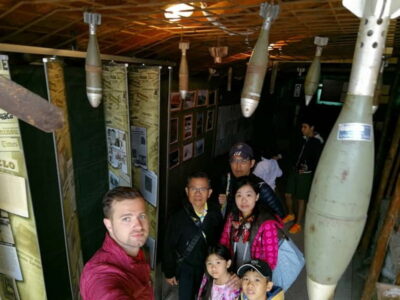
Tunnel Museum Yugoslavia War Tour with War Veteran
Read our review →
ROSES OF SARAJEVO (Official WAR + CITY tour)- Story of a Survivor
Read our review →
Tunnel Museum: Bosnian & Yugoslav Wars Tour with War Veteran
Read our review →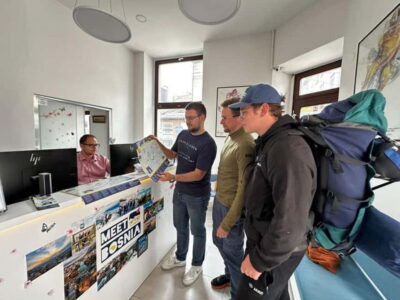
Bosnian War & Fall of Yugoslavia Tour with Tunnel
Read our review →
Srebrenica Genocide Study Tour with War Veteran
Read our review →Browse the lists this tour appears in