
Review · WAR HISTORY & SIEGE TOURS
Utopia of Tito’s Yugoslavia, Tito’s Bunker & Siege of Sarajevo
Sarajevo’s past is never far away. This full-day journey links Tito’s Nuclear Bunker with the Sarajevo War Tunnel, Olympic ruins, and mountain battle sites, giving you a clear sense of how Yugoslavia rose, hardened, and broke apart. I especially like the small group limit of eight and the guides’ personal connection to the city’s wartime story. The one drawback is the long, serious day, with no lunch included.
You leave Sarajevo at 8 a.m. and return to the Funky Tours office in the Old Town, or arrange hotel pickup within Sarajevo. I like that entry fees for both major museums are included, along with an English-speaking guide, driver, air-conditioned vehicle, and taxes. At $101.85 per person, the price is fair for a 10-hour outing with several distant stops, though you should still budget for your own meal.
In This Review
- What makes this day special
- Why the Yugoslav story works best as a full day
- Konjic Bridge and the road to ARK D-0
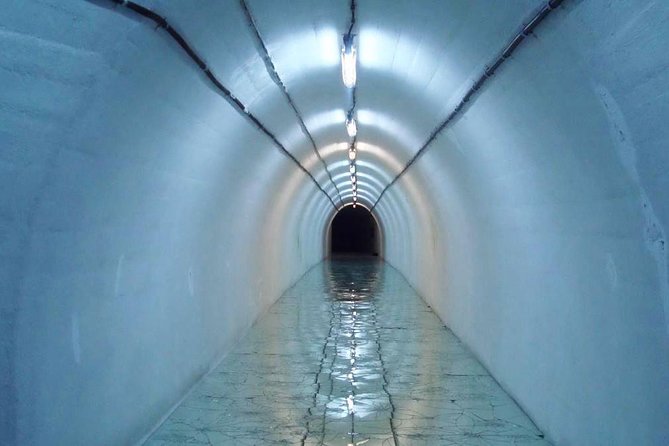
- Inside Tito’s 6,500-square-meter nuclear bunker
- Igman and the broken Olympic dream
- The Sarajevo War Tunnel and the fight to keep a city alive
- Dobrinja, Trebević, and the geography of the siege
- Walking the Sarajevo Olympic bobsleigh track
- The Jewish Cemetery and Sarajevo from above
- Guides, group size, and the human side
- Price, food, and who should book
- Should you book the Tito bunker and Sarajevo siege tour?
- FAQ
- How long does the tour last?
- What time does the tour begin?
- Where does the tour start?
- Is hotel pickup available?
- Where does the tour end?
- Is the tour offered in English?
- How many people can join the tour?
- Are admission fees included?
- Is lunch included?
- Can I cancel for a full refund?
What makes this day special
- A rare look inside Tito’s secret bunker: Walk through ARK D-0, a 6,500-square-meter command center built to shelter 350 Yugoslav leaders and generals during nuclear war.
- Two very different wartime sites: The War Tunnel tells the story of survival inside Sarajevo, while the bunker shows the fear and military planning of Yugoslavia’s Cold War leadership.
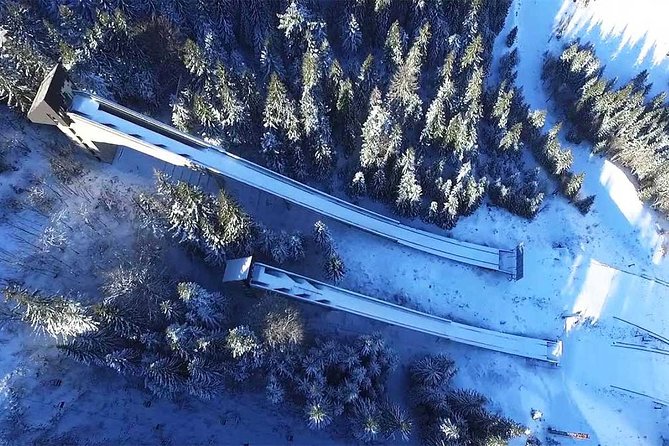
- Olympic ruins with a painful second life: See the 1984 bobsleigh track, ski jumps, Igman Hotel, and Olympic Village sites later damaged during the Bosnian War.
- A small group capped at eight: This makes it easier to ask questions and hear the guide during long stretches of driving and walking.
- Guides who add lived experience: Ahmed, Hamza, Emir, Salem, Mustafa, Amir, and Agnar are named in the tour feedback, with special praise for guides who connected history to their own lives.
- A full mountain-to-city view of the siege: Trebević, Igman, and the Jewish Cemetery help you understand the geography behind Sarajevo’s encirclement.
Why the Yugoslav story works best as a full day
This is not a quick museum visit dressed up as a tour. It is a connected story about a country that tried to balance socialism, national identity, military power, and independence from Moscow, then fractured into war.
You begin in Konjic, travel into the bunker built for a nuclear emergency, return toward Sarajevo through Olympic mountain country, and finish with sites linked to the 1992 to 1995 siege. That order gives the day a useful contrast. Tito’s bunker was built to protect the state from a foreign nuclear attack. Sarajevo’s tunnel was built by ordinary people trying to keep a city alive during an attack from nearby hills.
The day lasts about 10 hours, so you should be ready for a packed schedule. This suits you if you want context rather than a simple collection of photo stops. If you prefer slow mornings, long meals, or light sightseeing, the pace may feel demanding.
The maximum group size is eight. That matters here. Several stops involve difficult history, and a small group gives you more room to ask about the breakup of Yugoslavia, the siege, and the remains still visible in the mountains.
Other tours covering the siege years and their sites:
- Fall of Yugoslavia, Sarajevo War Tour with Tunnel of Hope Museum and Frontlines
★ 5.0 · 1,314 reviews - Sarajevo: Tunnel Museum Yugoslavia War Tour with War Veteran
★ 5.0 · 1,111 reviews - ROSES OF SARAJEVO (Official WAR + CITY tour)- Story of a Survivor
★ 5.0 · 770 reviews
Konjic Bridge and the road to ARK D-0
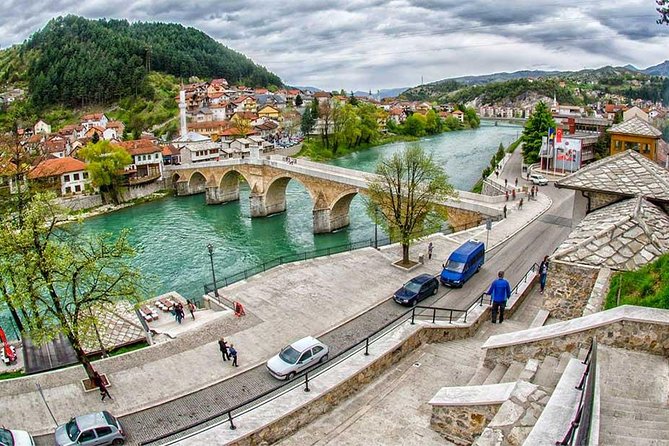
The first stop is Konjic, an old town on the turquoise Neretva River. You get about 30 minutes here, enough for a short walk through the historic area and a look at the 17th-century six-arch bridge.
This stop helps break up the drive from Sarajevo and gives you a glimpse of a town with a much older past than the Cold War facility nearby. The bridge is the main visual attraction, and the river can look especially striking in clear, sunny weather.
Do not expect a long guided tour of Konjic. The visit is brief and functions mainly as an introduction to the area before the bunker. If you want a relaxed morning coffee or detailed exploration of the old town, you will need to return another time.
Inside Tito’s 6,500-square-meter nuclear bunker
ARK D-0, also called Tito’s Nuclear Bunker or the Atomic War Command, is the day’s main attraction. Construction took 26 years, and the facility was designed to shelter more than 350 senior Yugoslav leaders and army generals during a nuclear conflict.
The scale is hard to grasp from the outside. Inside, you move through a network of rooms and corridors built for command, protection, and long-term occupation. The bunker was one of the Yugoslav military’s most expensive projects, with stated spending of about $4.6 billion.
That cost tells you something about the state Tito led. Yugoslavia was not a minor Cold War player in its own mind. Its leaders feared attack, distrusted the major powers, and prepared for a war in which the country’s top command would have to continue functioning underground.
The bunker now also serves as a venue for a biennial of contemporary art. That pairing can feel strange at first, but it gives the cold rooms another layer. Military secrecy, political fear, and modern art now share the same corridors.
You receive a local guided tour inside the facility, and the entrance fee of 10 euros for an adult is included. This is a real value advantage because ARK D-0 is the main reason many people choose the excursion, and you do not have to sort out a separate admission payment.
The bunker is also where the tour can become most political. The guide discusses Cold War anxiety, communist control, the possible reasons Yugoslavia collapsed, and the consequences that followed. I would not expect a single neat explanation. The useful part is hearing how the site connects military planning to the country’s later fracture.
Igman and the broken Olympic dream
After Konjic and the bunker, the route turns back toward Sarajevo and the Igman mountain area. Igman hosted part of the 1984 Winter Olympics, a moment when Sarajevo presented itself as a place of international cooperation and optimism.
You stop near the Olympic ski jumps and have about an hour to take photographs or climb the jumps. The setting offers a sharp contrast with the bunker. In 1984, the focus was sport, celebration, and a shared Yugoslav identity. Less than a decade later, nearby mountains became military positions around a besieged city.
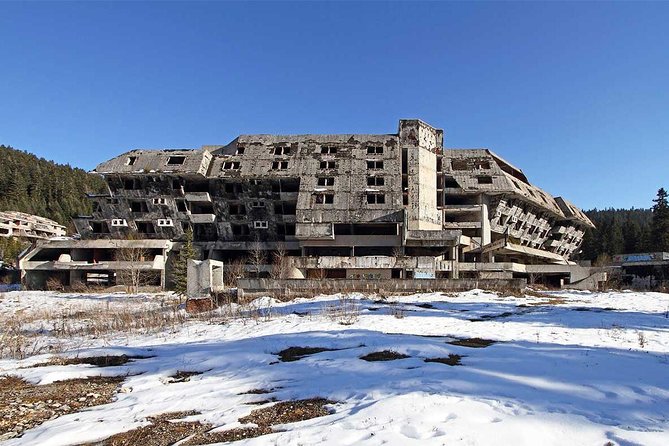
The Igman Olympic Hotel is another powerful stop. Built for the 1984 Games, it was later badly damaged during the Balkan War and siege of Sarajevo. The ruined structure shows how quickly a symbol of modern mountain luxury can become a reminder of destruction.
You should keep your expectations practical. The Olympic locations are not presented as polished, restored attractions. Their appeal comes from the contrast between their original purpose and their damaged condition. If you enjoy abandoned places and recent European history, you will find this section especially striking. If you want intact Olympic facilities, you may find it sobering rather than entertaining.
Same corner of the country, a different kind of day:
- Sarajevo: Mostar, Konjic, Blagaj Tekke, Pocitelj & Waterfall
★ 4.9 · 1,666 reviews - Sarajevo: Grand Walking Tour Through Time and Cultures
★ 4.8 · 1,236 reviews - Sarajevo: Mostar, Konjic, Sufi House, Pocitelj & Kravice Falls
★ 5.0 · 1,179 reviews - Sarajevo: Tunnel of Hope Tour – Survival and Resilience
★ 4.8 · 630 reviews
The Sarajevo War Tunnel and the fight to keep a city alive
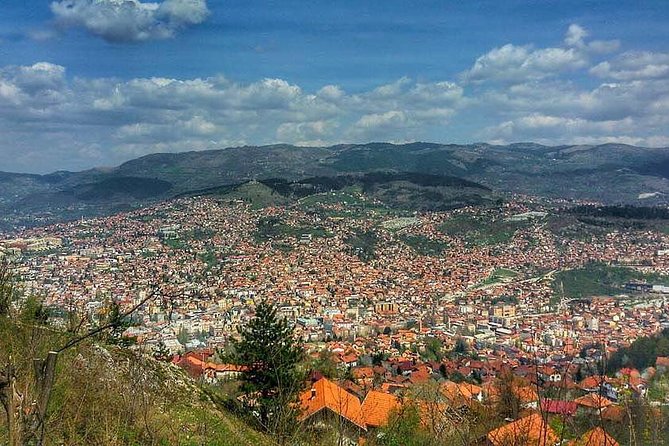
The Sarajevo War Tunnel is the day’s most direct encounter with the siege. You visit the museum, see exhibits connected to the conflict, watch a short film about why the passage was built, and walk through part of the tunnel itself.
The tunnel mattered because Sarajevo was surrounded and cut off. It provided a route beneath the airport area, helping people and supplies move in and out of the city. The experience is not about military grandeur. It is about urgent, practical survival.
The tunnel section takes about 90 minutes, including the museum and walk. The adult entrance fee of 5 euros is included, and the museum gives the mountain stops a clearer meaning. When you later look down toward Sarajevo from Trebević, you have already seen one of the ways residents tried to resist isolation.
The tunnel is physically narrow and historic rather than polished. That is part of its effect. You are not walking through a grand exhibition hall with a tidy story. You are seeing a small section of an underpass associated with a brutal period, supported by exhibits and film.
Guides can make a major difference here. Ahmed was praised for explaining the history with passion and for drawing on his own experience of living through it. Mustafa also received strong praise for explaining the tunnel and the bobsleigh track, then connecting both to Sarajevo’s wider story.
Dobrinja, Trebević, and the geography of the siege
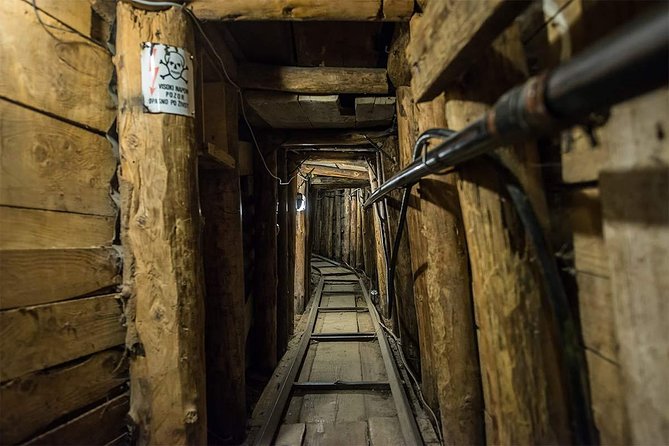
From the tunnel, the road passes through Dobrinja, an Olympic Village that also became a besieged neighborhood. This is one of the tour’s most useful transitions because it links the city’s Olympic identity with the daily reality of war.
Trebević mountain was part of the front line for much of its length. From the viewpoints, you can see why the surrounding heights mattered so much. The tour points out places connected to battles and military positions, including Zlatište and Osmice.
You may also see remains of bunkers, trenches, minefields, tank tracks, bullet marks, and grenade damage. Some sites have not been repaired or restored, so the mountain still carries visible traces of the conflict.
That lack of restoration is both the strength and weakness of the stop. The remains feel direct and unvarnished, but access and conditions may not feel like a conventional sightseeing attraction. Follow the guide closely and listen carefully to instructions around damaged or former military areas.
The views from Trebević help you understand the siege better than a city map alone. You can see Sarajevo below and grasp the advantage held by forces positioned on the surrounding heights. The guide also explains why that advantage did not lead to the city being taken.
Walking the Sarajevo Olympic bobsleigh track
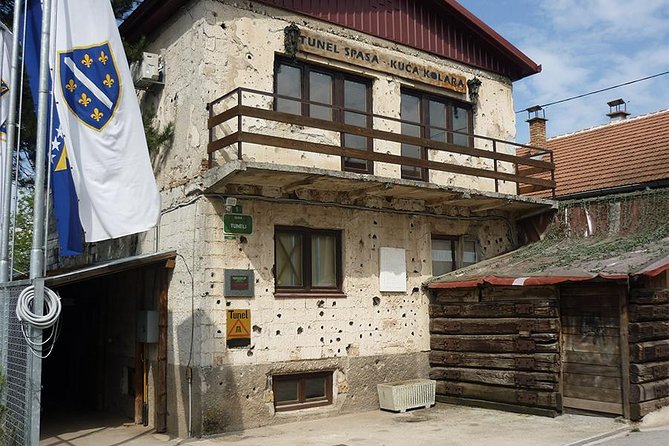
The 1984 Olympic Bobsleigh and Luge Track gets about 45 minutes. You walk down the famous track, which has become known for its abandoned appearance and street art.
This is a more active stop than the museums. Wear shoes you can walk in, since the visit involves moving along the track rather than simply taking a photograph from a viewing platform. The combination of Olympic design, wartime damage, vegetation, and graffiti gives the site a very different mood from the formal Olympic venues you may have seen elsewhere.
The track is valuable because it makes the passage of time visible. A facility built to welcome international athletes now carries scars from the siege and layers of street art. It is not restored into a perfect monument, and that unfinished quality is part of what you are there to see.
If photography matters to you, this is likely one of the best stops. Still, the experience is not a long technical tour of the sport or construction. It is a short walk through a place where athletic ambition and wartime history meet.
The Jewish Cemetery and Sarajevo from above
The final stop is the Jewish Cemetery, one of Europe’s largest Jewish cemeteries. During the siege, it was used as a front-line position and sniper site overlooking Sarajevo’s Sniper Alley.
The cemetery adds another layer to the day. It is not only a war location. It also reflects Sarajevo’s long Jewish presence and the city’s layered religious and cultural past. You get about 20 minutes here, enough for a viewpoint and explanation, though not enough for an extended cemetery visit.
The stop can feel brief, especially after a long day. Its importance comes from location and context. You see how a historic cemetery became part of the military geography around the city, then look back toward the neighborhoods affected below.
Trebević and the Jewish Cemetery work together. One shows the mountain positions and the other shows how close those positions were to Sarajevo’s streets. By this point, the siege is no longer an abstract date range. You have seen the routes, heights, ruins, and narrow passage that shaped daily life.
Guides, group size, and the human side
The strongest part of this experience is the guide. Several guides are named in the feedback, including Hamza, Emir, Salem, Mustafa, Amir, Agnar, and Ahmed. Ahmed received particular praise for making the war story feel real through first-hand experience, while Salem was described as humble and deeply connected to the places visited.
That does not mean every departure will have the same guide, so you should not book based on one person alone. It does show that Funky Tours uses guides who can add more than dates and names. Ask questions. This subject rewards conversation.
The group is limited to eight people, and some departures may be smaller. One person described being the only participant, which allowed for a very personal day. You cannot count on having a private tour, but the small maximum gives you a better chance of meaningful conversation than a large coach tour.
Hotel pickup in Sarajevo is available, or you can meet at the Funky Tours office at Besarina čikma 5 in the Old Town. The tour is offered in English, and the air-conditioned vehicle matters on a day with substantial driving between Sarajevo, Konjic, and the mountain sites.
Price, food, and who should book
At $101.85 per person, the cost is reasonable for the amount covered. You receive transportation, a professional English-speaking guide and driver, taxes, the 10-euro Tito’s Bunker admission, and the 5-euro War Tunnel admission.
Lunch is not included. Bring money for a meal and expect to manage your own food during the day. Since the schedule covers roughly 10 hours, this is not a minor detail. Ask about the meal timing at the start of the day so you know when to plan for food.
I recommend this experience most strongly if you:
- Want to understand Sarajevo through both the Cold War and the siege
- Prefer a guide-led day to arranging several out-of-town sites yourself
- Enjoy military history, abandoned Olympic facilities, and difficult recent history
- Value a small group and hotel pickup
- Can handle a long day with several short stops and a moderate amount of walking
You may want to skip it if you want a relaxed city day, dislike war-related subjects, or have limited mobility that makes uneven historic sites difficult. The tour states that most people can participate, and service animals are allowed, but the information does not provide detailed access conditions for every stop.
Free cancellation is available up to 24 hours before the 8 a.m. start time. Changes or cancellations made within 24 hours are not accepted for a refund.
Should you book the Tito bunker and Sarajevo siege tour?
Yes, if you want the broadest single-day explanation of Sarajevo’s modern past. The bunker and War Tunnel are the essential pair, while Igman, Trebević, the bobsleigh track, and the Jewish Cemetery explain the physical setting around them.
I would book it early, since it is often reserved about 37 days ahead and the group is capped at eight. Choose this day when you want clear historical links, personal guiding, and access to places that are awkward to reach independently. Skip it only if the 10-hour schedule or wartime subject matter feels too heavy for your trip.
FAQ
How long does the tour last?
The experience lasts approximately 10 hours.
What time does the tour begin?
The tour starts at 8 a.m.
Where does the tour start?
You can meet at the Funky Tours office at Besarina čikma 5 in Sarajevo’s Old Town.
Is hotel pickup available?
Yes. Pickup can be arranged from any hotel in Sarajevo.
Where does the tour end?
The tour ends back at the meeting point.
Is the tour offered in English?
Yes. A professional English-speaking guide and driver are included.
How many people can join the tour?
The maximum group size is eight people.
Are admission fees included?
Yes. The Tito’s Bunker entrance fee and Sarajevo War Tunnel entrance fee are included, along with taxes and other stated fees.
Is lunch included?
No. Lunch is not included in the price.
Can I cancel for a full refund?
Yes, if you cancel at least 24 hours before the experience starts. Cancellations made less than 24 hours before the start time are not refunded.
Newest around Sarajevo
- Understanding Srebrenica Genocide + Lunch with Local Family★ 4.9 · 14 reviews
- Private Full Day Safari Tour★ 5.0 · 8 reviews
- Sarajevo: Trebević Mountain Summit Hiking Tour★ 4.2 · 2 reviews
- From Sarajevo: Kozice Waterfalls Hiking Experience in Nature★ 5.0 · 2 reviews
- Sarajevo Under Siege: A War History Tour★ 5.0 · 10 reviews
- Mysterious Visoko Pyramids Driving and Walking Tour★ 5.0 · 7 reviews
- WAR TUNNEL – Sarajevo’s only way of a communication during the WAR – Top secret★ 5.0 · 12 reviews
- Ultimate Gastro Experience★ 4.5 · 14 reviews
War History & Siege Tours, compared.
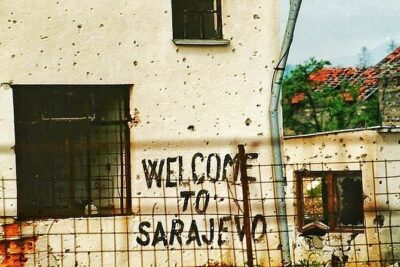
Fall of Yugoslavia, Sarajevo War Tour with Tunnel of Hope Museum and Frontlines
Read our review →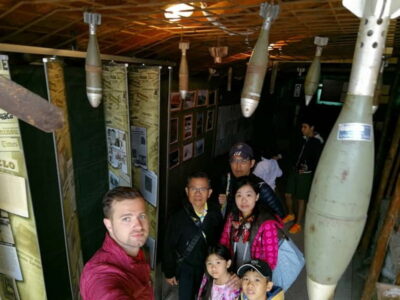
Tunnel Museum Yugoslavia War Tour with War Veteran
Read our review →
ROSES OF SARAJEVO (Official WAR + CITY tour)- Story of a Survivor
Read our review →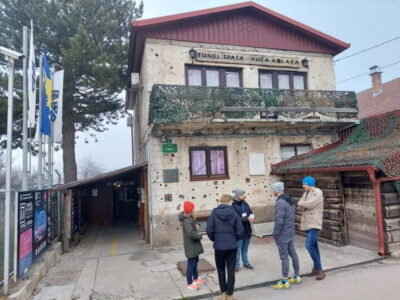
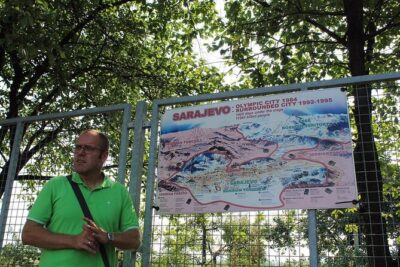
Tunnel Museum: Bosnian & Yugoslav Wars Tour with War Veteran
Read our review →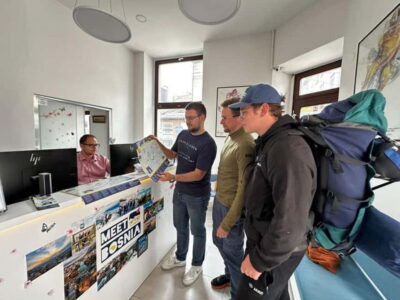
Bosnian War & Fall of Yugoslavia Tour with Tunnel
Read our review →
Sarajevo War Tour: A Veteran’s Story of the Siege (fees included)
Read our review →Browse the lists this tour appears in