
Review · WAR HISTORY & SIEGE TOURS
Understanding Srebrenica Genocide – Day tour from Sarajevo
Some journeys ask for your full attention. This day tour from Sarajevo takes you to the Srebrenica Genocide Memorial, the former Dutch UN battery factory, and the town of Srebrenica itself, while giving you the background needed to understand what happened there. The drive takes about two and a half hours each way, so this is a full day, not a quick side trip.
I like the small group size of up to eight people, since a difficult subject benefits from room for questions and quiet discussion. I also like the way the tour combines a museum curator, survivor accounts, films, and the Potocari Memorial Center instead of reducing Srebrenica to a few dates and photographs. The main drawback is the long drive and emotional weight of the visit, with lunch also costing extra.
In This Review
- Key points to know before booking
- Why this Sarajevo day trip matters
- The two-and-a-half-hour road from Sarajevo
- Inside the former Dutch UN battery factory
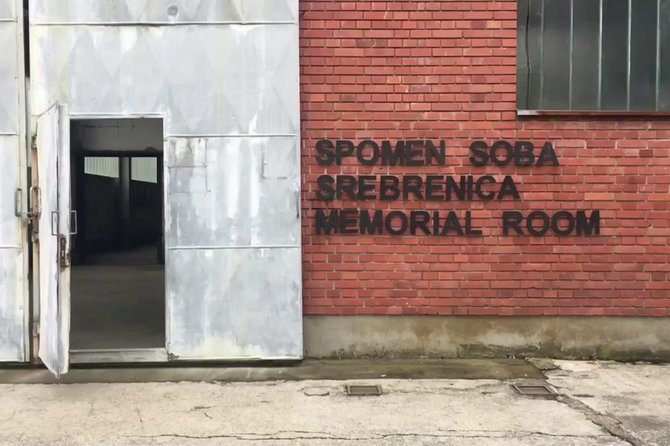
- Potocari Memorial Center and the memorial room
- Seeing Srebrenica beyond the memorial
- What the $82.68 price includes
- How the guides shape the experience
- Who should book this experience?
- Timing, cancellation, and practical details
- Should you book the Srebrenica day tour?
- FAQ
- How long does the Srebrenica tour from Sarajevo last?
- What time does the tour start?
- Is hotel pickup available?
- Is lunch included in the tour price?
- How many people can join the tour?
- What is included in the $82.68 price?
Key points to know before booking
- The former UN battery factory now houses a museum: You visit the building used by Dutch UN forces during the war and hear how it became a center for learning about the genocide.
- The day begins with historical context: Your guide explains the chronology of the Yugoslav wars during the drive, which helps make the museum visit easier to follow.
- A curator adds first-hand perspective: At the Museum of Srebrenica Genocide, you meet the curator and hear an account connected to survival in the Srebrenica enclave.
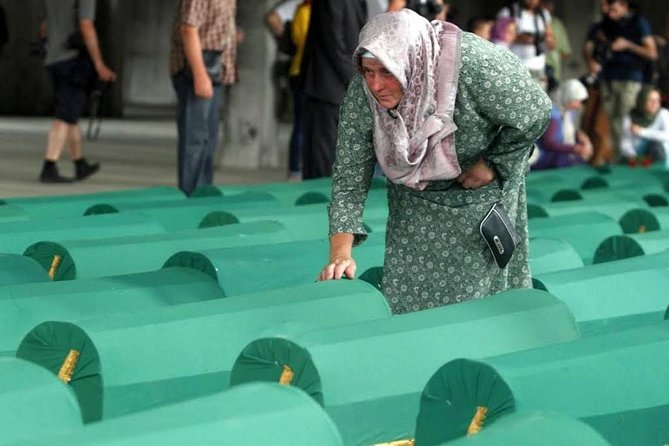
- Potocari is a place for quiet reflection: The memorial room presents stories of victims, while the cemetery holds the remains of people who were identified.
- Srebrenica itself is part of the lesson: The former industrial center is now described as a ghost city, adding an important layer to the visit.
- You get a personal, practical tour: Transport, bottled water, snacks, WiFi, and hotel drop-off are included, while lunch is not.
Why this Sarajevo day trip matters
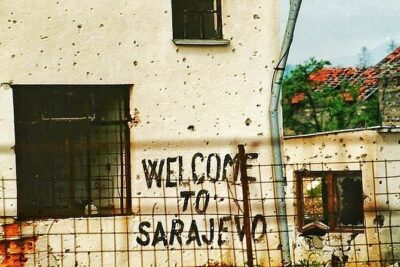
It is easy to visit Sarajevo, see reminders of the 1990s war, and leave with only a general sense of what occurred. Srebrenica requires more care. The story is complex, and the tour uses the journey from Sarajevo to build the necessary background before you arrive.
That approach is one of the strongest parts of the day. Instead of rushing straight to a memorial, your driver-guide explains the chronology of the Yugoslav wars and the events that led to the Srebrenica genocide. I would value this preparation because the museum displays and survivor accounts carry more meaning when you understand the larger setting.
The subject is painful. You should not book this as a light sightseeing outing between cafés and scenic stops. The tone is serious, and the memorial visit asks you to listen, think, and show respect. Still, the tour is presented in a clear and accessible way, rather than burying you under military terms or political arguments.
The experience is also more personal than a standard coach excursion. With no more than eight people, you have a better chance to ask your guide about Bosnia and Herzegovina, the war, and the places you pass along the road. Guides Ayyub and Kenan have received especially strong praise for their calm explanations, friendly manner, and care with this difficult subject.
Other tours covering the siege years and their sites:
- Fall of Yugoslavia, Sarajevo War Tour with Tunnel of Hope Museum and Frontlines
★ 5.0 · 1,314 reviews - Sarajevo: Tunnel Museum Yugoslavia War Tour with War Veteran
★ 5.0 · 1,111 reviews - ROSES OF SARAJEVO (Official WAR + CITY tour)- Story of a Survivor
★ 5.0 · 770 reviews
The two-and-a-half-hour road from Sarajevo
The tour starts at 8:00 am from Kovači 25 in Sarajevo. Hotel pickup is available, and the information provided says the company picks up from any hotel in Sarajevo. It also specifies hotel pickup service for people staying outside Sarajevo’s Old Town, so I would confirm the exact pickup arrangement when booking if your hotel is elsewhere.
The drive to Srebrenica takes roughly two and a half hours. That sounds long, but the tour uses the time well by beginning the historical presentation on the road. You can enjoy the scenery while your guide explains the chain of events that shaped the region.
This is where a small group helps. A guide can adjust the pace of the conversation instead of delivering a fixed speech to a large bus. Kenan is praised for keeping the drive moving with good conversation and for explaining Bosnian culture and history along the way. That matters on a road-heavy day, since the journey takes up a large portion of your schedule.
The vehicle is air-conditioned, and WiFi is provided on board. Bottled water and snacks are included. Those are modest extras, but they are useful on a full-day trip with several hours in the vehicle.
Inside the former Dutch UN battery factory
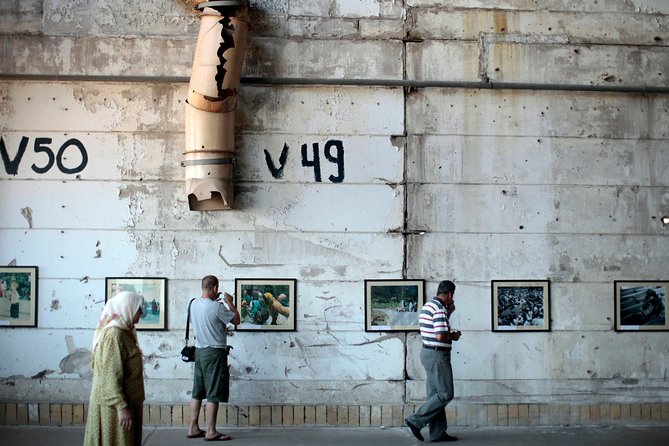
The first major stop is the Srebrenica Genocide Memorial area, beginning at the former battery factory used by UN forces during the war. The building now contains the Museum of Srebrenica Genocide, described as one of the more modern museums in Bosnia and Herzegovina.
The setting gives the museum unusual force. You are not looking at the history from a distant gallery. You are entering a former wartime headquarters connected directly to the events being explained. That physical link helps make the visit feel less abstract.
At the museum, you meet the curator and hear a first-hand account of survival in the Srebrenica enclave. The museum also uses multimedia displays and a selection of films. These materials are intended to help you follow the events that led to the massacre, not simply to show upsetting images without explanation.
I appreciate the combination of personal testimony and organized presentation. A film can establish a timeline, while a survivor account shows what that timeline meant for actual people. You should expect the material to be upsetting, but the purpose is educational and commemorative.
The museum visit is listed as lasting about four hours together with the wider Srebrenica and Potocari portion of the day. The exact timing may vary, since discussion with the curator and guide can take longer for some groups. If you want to ask questions, this small-group format gives you a better chance to do so.
Potocari Memorial Center and the memorial room
From the museum, the tour continues to the Potocari Memorial Center. This is the most solemn part of the day, and you should allow yourself to move at a slower pace here.
The memorial room includes stories of victims prepared by a local journalist. These accounts place individual lives at the center of the visit. The cemetery nearby contains the remains of victims who were found and identified.
You will have time to pay your respects and reflect. The tour does not frame the cemetery as a sightseeing stop. That distinction matters. Bring a quiet attitude, listen carefully, and follow the tone set by the place.
The guide’s role is important here. Ayyub has been praised for his strong command of the subject and his passion for explaining it. Kenan has also been praised for explaining the genocide in a way that people can understand properly, while keeping a professional and considerate manner.
This is not a stop where you need constant commentary. I would rather have a guide explain the setting clearly, then allow the memorial itself to speak. The available information suggests that the tour balances both parts: guided interpretation in the museum and space for personal reflection at the cemetery.
Same corner of the country, a different kind of day:
- Sarajevo: Mostar, Konjic, Blagaj Tekke, Pocitelj & Waterfall
★ 4.9 · 1,666 reviews - Sarajevo: Grand Walking Tour Through Time and Cultures
★ 4.8 · 1,236 reviews - Sarajevo: Mostar, Konjic, Sufi House, Pocitelj & Kravice Falls
★ 5.0 · 1,179 reviews - Sarajevo: Tunnel of Hope Tour – Survival and Resilience
★ 4.8 · 630 reviews
Seeing Srebrenica beyond the memorial
After Potocari, the route continues into the city of Srebrenica. Lunch is planned here because there are few restaurants near the memorial center. Lunch is not included in the tour price, so keep some money available for that meal.
The town adds context that a museum alone cannot provide. Srebrenica was once an industrial leader in the area. Today, it is described as a ghost city. That contrast helps you understand that the genocide did not happen in an isolated memorial zone. It affected a real town, its residents, its workplaces, and its future.
This part of the itinerary may feel quieter and less structured than the museum visit. That is not a weakness. After several hours of guided material, seeing the town gives you time to process what you have heard.
I would not book this day expecting a long list of attractions in Srebrenica. The point is not to collect sights. The point is to see the place as it is now and connect it with the story you have been learning throughout the day.
What the $82.68 price includes
At $82.68 per person, this is not the cheapest way to spend a day from Sarajevo, but the price covers more than a simple ride. You receive a driver-guide, air-conditioned transport, bottled water, snacks, WiFi, and hotel drop-off. The small group limit of eight is also important when judging the value.
A private car or very small group can make a serious visit feel more thoughtful and less rushed. You are paying for the guide’s preparation and interpretation as much as for fuel and transport. The drive alone would be awkward to arrange without a car, and the subject benefits from someone who can explain the chronology and answer questions.
Lunch is extra. That is easy to manage, but it should be part of your budget. The tour starts early and lasts eight to ten hours, so you will want a proper meal rather than relying only on the included snacks.
The museum admission is listed as free. That does not mean the day is cost-free, since the main expense is the guided transportation from Sarajevo. For someone without a rental car, the price is reasonable if you want a focused visit with an English-speaking guide and hotel service.
How the guides shape the experience
The strongest praise centers on the guides, especially Ayyub and Kenan. Ayyub is described as highly informed and passionate about the subject. Kenan is praised for explaining Bosnian culture and history during the drive, treating the subject with care, and remaining friendly and flexible.
Those qualities matter more here than they would on a routine city tour. You need a guide who can explain difficult events without turning the visit into a performance. You also need someone who can respond to questions without losing sight of the victims and the memorial setting.
Kenan has also helped a participant arrange transportation for a later destination. That is not a guaranteed feature of the tour, so I would not book it expecting personal travel planning. Still, it suggests a useful level of practical attention from the guide.
The group size gives you a chance to benefit from that personal approach. If you have questions about the road, the museum, or the town, you are less likely to be lost in a crowd. The tour is offered in English.
Who should book this experience?
I recommend this tour to you if you want to understand more than Sarajevo’s wartime scars. It suits visitors who are willing to spend a full day on a serious subject and who value explanation, survivor stories, and memorial time over a packed sightseeing schedule.
It is also a good fit if you do not have a car. The distance from Sarajevo makes independent transport less convenient, and the tour removes the need to plan the route yourself. Hotel pickup and drop-off add another layer of ease.
You should think twice if you have limited time in Bosnia and Herzegovina or if you want every day of your trip to be light and recreational. The drive is long, the material is distressing, and lunch costs extra. This is not a casual excursion.
Most people can participate, according to the provided tour information. Since the subject can affect people differently, I would plan a quiet evening afterward rather than scheduling another demanding activity.
Timing, cancellation, and practical details
The tour begins at 8:00 am and lasts approximately eight to ten hours. It starts at Kovači 25 in Sarajevo and is listed as ending back at the meeting point, while hotel drop-off is also included. Confirm the final return arrangement with the provider if you are relying on hotel drop-off.
Confirmation is received when you book. The group is capped at eight people, and the activity is offered in English.
Free cancellation is available until 24 hours before the start time for a full refund. Cancellations or changes made less than 24 hours before departure are not accepted for a refund, and the cut-off uses local time.
Should you book the Srebrenica day tour?
Book it if you want a careful, guided introduction to one of the darkest chapters of Bosnia and Herzegovina’s recent past. The combination of the former UN battery factory, curator-led museum visit, survivor accounts, Potocari Memorial Center, and the present-day town of Srebrenica gives the day real substance.
I especially like the small group limit and the quality of the guide-led explanation during the drive. Those features make the $82.68 price easier to justify. Just prepare for a long day, budget for lunch, and approach the memorial with the respect it deserves.
If you are ready for a serious historical visit rather than a relaxed outing, this is a worthwhile addition to a Sarajevo stay.
FAQ
How long does the Srebrenica tour from Sarajevo last?
The tour lasts approximately eight to ten hours. The drive from Sarajevo to Srebrenica takes around two and a half hours.
What time does the tour start?
The scheduled start time is 8:00 am.
Is hotel pickup available?
Yes. Hotel pickup is offered in Sarajevo. The information also specifies pickup service for people staying outside Sarajevo’s Old Town, so confirm the exact arrangement for your hotel.
Is lunch included in the tour price?
No. Lunch is not included. The tour stops in Srebrenica for lunch because there are few restaurants near the Potocari Memorial Center.
How many people can join the tour?
The activity has a maximum group size of eight people.
What is included in the $82.68 price?
The price includes a driver-guide, air-conditioned vehicle, WiFi on board, bottled water, snacks, and hotel pickup and drop-off services as specified by the provider. Museum admission is listed as free, while lunch is extra.
Newest around Sarajevo
- Understanding Srebrenica Genocide + Lunch with Local Family★ 4.9 · 14 reviews
- Private Full Day Safari Tour★ 5.0 · 8 reviews
- Sarajevo: Trebević Mountain Summit Hiking Tour★ 4.2 · 2 reviews
- From Sarajevo: Kozice Waterfalls Hiking Experience in Nature★ 5.0 · 2 reviews
- Sarajevo Under Siege: A War History Tour★ 5.0 · 10 reviews
- Mysterious Visoko Pyramids Driving and Walking Tour★ 5.0 · 7 reviews
- WAR TUNNEL – Sarajevo’s only way of a communication during the WAR – Top secret★ 5.0 · 12 reviews
- Ultimate Gastro Experience★ 4.5 · 14 reviews
War History & Siege Tours, compared.
Fall of Yugoslavia, Sarajevo War Tour with Tunnel of Hope Museum and Frontlines
Read our review →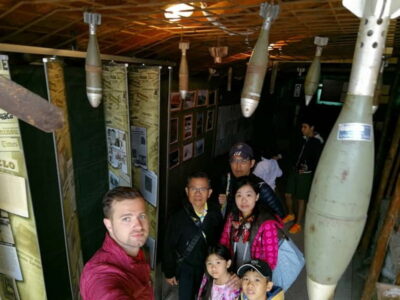
Tunnel Museum Yugoslavia War Tour with War Veteran
Read our review →
ROSES OF SARAJEVO (Official WAR + CITY tour)- Story of a Survivor
Read our review →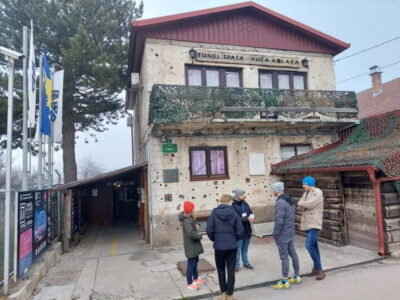
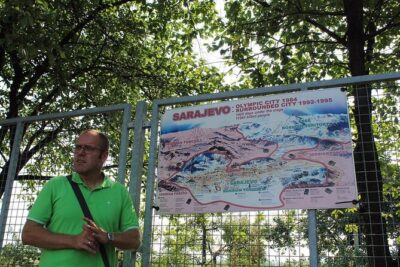
Tunnel Museum: Bosnian & Yugoslav Wars Tour with War Veteran
Read our review →
Bosnian War & Fall of Yugoslavia Tour with Tunnel
Read our review →
Sarajevo War Tour: A Veteran’s Story of the Siege (fees included)
Read our review →Browse the lists this tour appears in