
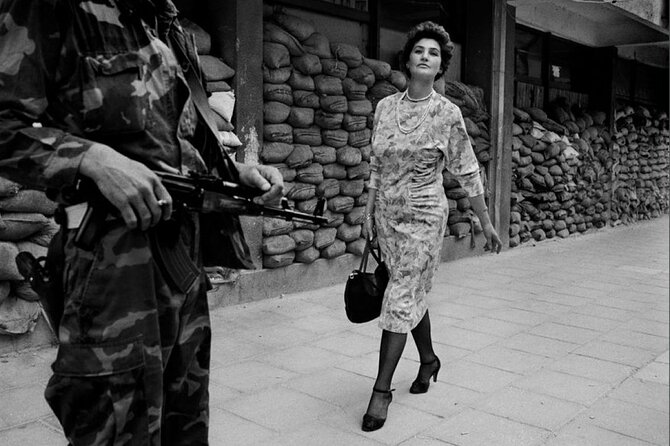
Review · WAR HISTORY & SIEGE TOURS
Tunnel of Hope Tour – Survival and Resilience
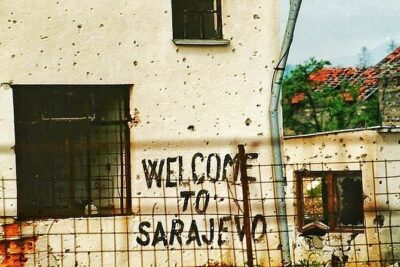
Sarajevo’s hardest stories are still close. This tour connects the Tunnel of Hope with Sniper Alley, war-damaged landmarks, cemeteries, and the streets where daily life continued under siege. I like the way it combines a short driving tour with the museum visit, and I especially value the guides’ personal accounts, including stories from former police officers and people who lived through the war.
The price is reasonable for about two and a half hours of transport, guiding, and local context. My main caution is that the subject is painful, and the tour moves quickly through several serious sites. Also, access to the original tunnel can vary because of safety restrictions, so you should not expect to walk through the entire wartime passage.
In This Review
- Key points to know before booking
- Why the Tunnel of Hope matters
- Starting at Zelenih beretki 30
- Seeing Sarajevo’s wartime landmarks from the road
- Driving through Sniper Alley
- Inside the Tunnel of Hope Museum
- The value of firsthand guides
- Price, timing, and practical value
- Who should take this tour
- Should you book the Tunnel of Hope Tour?
- FAQ
- Where does the Tunnel of Hope Tour begin?
- Where does the tour end?
- How long does the tour last?
- Is transportation included?
- Is the Tunnel of Hope Museum ticket included?
- What language is the tour offered in?
- How many people can join the tour?
- Does the tour include Sniper Alley?
- Can you enter the original tunnel?
- Can I cancel for a full refund?
Key points to know before booking
- Personal wartime stories: Guides such as Nermin, Safet, and other former police officers or war veterans have shared firsthand memories of the Siege of Sarajevo.
- A city tour included: You pass Markale Market, the Presidency, City Hall, the National Library, Zetra Olympic Hall, Skenderija Market, and other important sites.
- Sniper Alley by vehicle: You drive along the infamous route and hear why it became one of Sarajevo’s most dangerous streets.
- Tunnel Museum admission costs extra: The tour price is $25.40, while the adult museum ticket is 20 BAM, listed as about €10.50.
- Small-group format: The maximum group size is 20 people, with transportation and a licensed English-speaking guide included.
- A compact history lesson: The tour lasts about 2 hours and 30 minutes, making it useful if your time in Sarajevo is limited.
Why the Tunnel of Hope matters
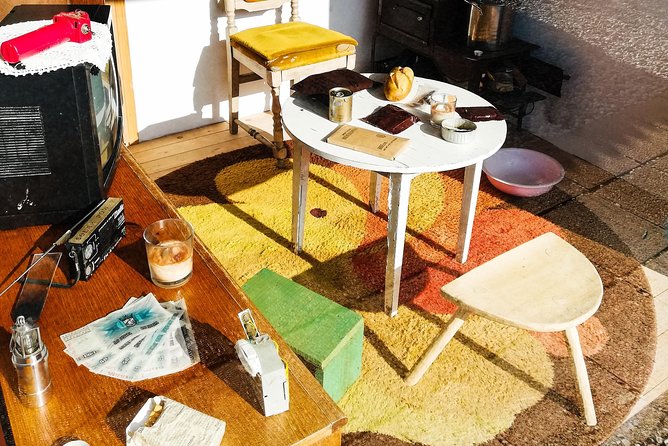
The Siege of Sarajevo lasted from 1992 to 1995. During those years, residents faced shortages of food, water, electricity, and gas while shelling and sniper fire made ordinary movement dangerous.
The tunnel was built beneath the airport runway to connect the besieged city with territory outside the surrounding military lines. It became a route for supplies, equipment, and people. The passage was narrow, difficult, and dangerous, but it offered Sarajevo a vital link to the outside world.
That basic fact can sound neat and tidy in a guidebook. The visit makes it more physical. You see the cramped scale of the passage, learn why it was needed, and hear how people coped with conditions that are difficult to picture from a normal city walk.
I find the tour most useful because it does not treat the tunnel as an isolated museum object. The guide points out the streets, buildings, markets, and public institutions that shaped the siege. You begin to understand how the city functioned as a whole, not just how one tunnel was constructed.
Other tours covering the siege years and their sites:
- Fall of Yugoslavia, Sarajevo War Tour with Tunnel of Hope Museum and Frontlines
★ 5.0 · 1,314 reviews - Sarajevo: Tunnel Museum Yugoslavia War Tour with War Veteran
★ 5.0 · 1,111 reviews - ROSES OF SARAJEVO (Official WAR + CITY tour)- Story of a Survivor
★ 5.0 · 770 reviews
Starting at Zelenih beretki 30
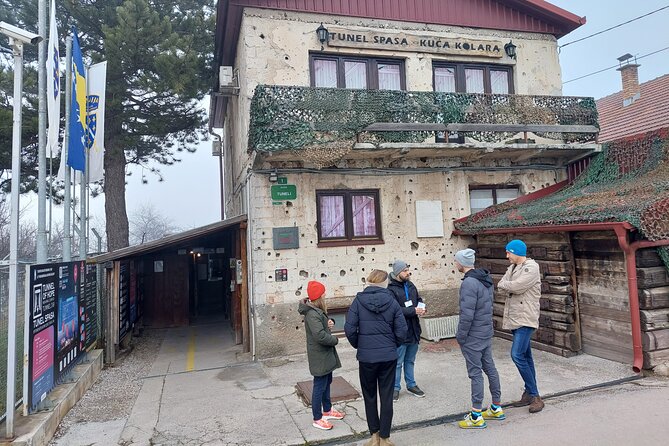
The tour begins at the Sarajevo Insider office at Zelenih beretki 30 in the city center. You meet the guide there, then travel by vehicle toward the war sites and the Tunnel of Hope.
Transportation matters here. The tunnel lies outside the central sightseeing area, and reaching it independently takes planning. Public transport is possible but not direct, while this tour connects the museum with a guided look at the city in one outing.
The group can include up to 20 people. That is not an intimate private tour, but the format remains fairly practical, especially if you want an English-speaking guide and a set return to the city center. Some bookings may become very small, and the tour can feel almost private when few people sign up.
The advertised duration is about 2 hours and 30 minutes. Allow extra time in your day if your guide is generous with questions. Some tours have continued for longer when the group wanted more explanation.
Seeing Sarajevo’s wartime landmarks from the road
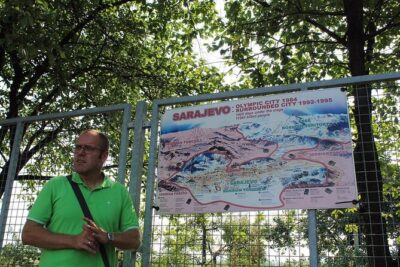
The first part is mainly a driving tour, with many places pointed out as you pass. This is a useful orientation because Sarajevo’s wartime story is spread across the city.
You pass Markale City Market, a place tied to major wartime events and the daily struggle for food. The market was not simply a shopping stop. During the siege, public spaces such as this could become places of danger, even as residents still needed to find bread and basic supplies.
The route also includes Trg Djece Sarajeva, or the Square of Sarajevo Children. Its name gives the stop a solemn weight. You may not spend long there, but the guide’s explanation helps connect the broad military story with the lives of children and families.
The Presidency Building and Parliament are also viewed from the vehicle. These buildings were linked to political decisions and the public face of Bosnia and Herzegovina during the war. The Holiday Inn Hotel is another important sight, tied to foreign journalists who reported from Sarajevo under dangerous conditions.
You also pass the RTV Dom television building. Broadcasting mattered during the siege because news, information, and a sense of connection helped residents understand events beyond their own street.
The route can include City Hall and the National Library of Bosnia and Herzegovina, both of which suffered heavy shelling. The National Museum, Skenderija Market, the Presidency Building, and Zetra Olympic Hall add more pieces to the picture. Zetra is especially meaningful because Sarajevo had hosted the Winter Olympics in 1984, only a few years before the city became associated with siege, destruction, and international inaction.
A limitation is worth noting: many of these places are viewed while driving rather than visited with a long walking stop. If you want extended time inside each building, you will need separate visits. The benefit is speed. You cover a wide area without turning the tour into a full-day excursion.
Driving through Sniper Alley
One of the tour’s strongest moments is the drive through the street known as Sniper Alley. The name refers to the danger faced by people moving through this exposed route during the siege.
You do not need a long speech to understand why the road mattered. The guide places it within the city’s geography and explains how residents tried to move through Sarajevo despite sniper fire and shelling.
This part can feel less dramatic than a museum display because you remain in the vehicle. In another way, that is exactly its value. You see the street as part of a living city rather than as a preserved battlefield. Cars, buildings, and ordinary traffic share space with a painful past.
Listen closely here. The best guides add details about how people handled water, electricity, gas, food, and movement. Guides who lived through the siege can also describe the difference between textbook dates and daily fear. Nermin, for example, has been described as a former police officer who served during the siege. Other guides, including Safet, have explained the period through personal memories and patient answers to questions.
Guide quality is central to this experience. The route itself is worthwhile, but the interpretation turns a drive past buildings into a coherent lesson.
Same corner of the country, a different kind of day:
- Sarajevo: Mostar, Konjic, Blagaj Tekke, Pocitelj & Waterfall
★ 4.9 · 1,666 reviews - Sarajevo: Grand Walking Tour Through Time and Cultures
★ 4.8 · 1,236 reviews - Sarajevo: Mostar, Konjic, Sufi House, Pocitelj & Kravice Falls
★ 5.0 · 1,179 reviews - Sarajevo: Tunnel of Hope Tour – Survival and Resilience
★ 4.8 · 630 reviews
Inside the Tunnel of Hope Museum
The main stop is the Tunnel of Hope Museum, where you learn about the construction and purpose of the underground route. Admission is not included in the tour price. The listed adult fee is 20 BAM, or about €10.50, while the student price is 8 BAM, or about €4.50.
The museum includes exhibits about the conflict and a video concerning United Nations intervention during the Siege of Sarajevo. That material adds political context to the personal stories and helps explain the wider international setting.
The tunnel section gives you a sense of its cramped design. The original passage was only about 1 meter wide and 1.6 meters high according to information shared during the experience. That is enough to make the practical challenge clear. Supplies and people had to pass through a space built for necessity, not comfort.
Access details can change. Parts of the original tunnel may be closed for safety because it runs beneath the runway of an operating airport. Some accounts describe limited access to a section of the original passage, along with a longer reconstructed section. Other visits may use the replica only. The reconstructed tunnel is wider and taller, but it still gives you a useful physical impression.
Do not book this expecting a large underground complex. The surviving section and museum are modest. Their power comes from what they represent and from the guide’s explanation, not from a grand display.
The visit lasts about 1 hour and 15 minutes according to the planned schedule. That is enough time to see the exhibits and tunnel area without rushing through the central story. If you are claustrophobic, the narrow proportions may be uncomfortable, although the current accessible section may be a replica or a limited portion of the original.
The value of firsthand guides
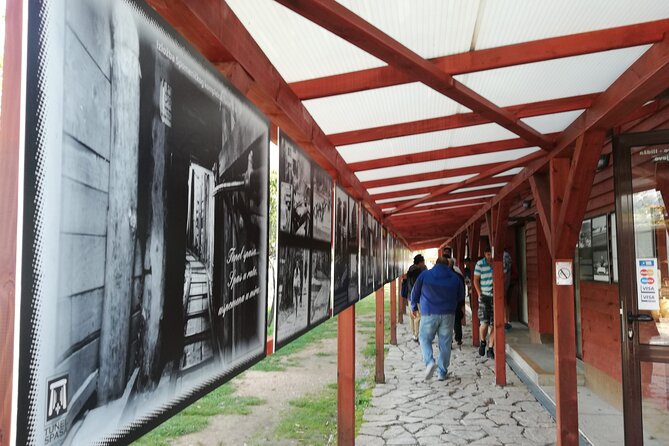
This tour rises or falls on the guide. The strongest accounts come from guides who lived through the siege, worked as police officers, or served during the war. Their stories add a human scale that a museum panel cannot provide.
A guide may explain the route to the tunnel, then connect it with a story about shortages, danger, or communication during the siege. You can ask questions as you go, and the small group format makes that easier than on a large coach excursion.
The personal approach also extends beyond wartime facts. One guide has offered suggestions for Bosnian food and cafés, which can help you shape the rest of your stay. That is a small benefit, but it is the sort of local help that makes a short tour more useful.
You should still keep your expectations sensible. A guide’s personal experience is valuable, but it is not a substitute for a full academic account of the breakup of Yugoslavia or the international politics of the 1990s. The tour gives you a clear local introduction, with personal testimony and visible places. If you want a longer political study, add a museum or book.
Price, timing, and practical value
At $25.40 per person, the tour is fairly priced even before adding the museum ticket. You are paying for transportation from central Sarajevo, an English-speaking licensed guide, a city orientation, and the visit to a site that is not especially simple to reach directly.
With the adult museum fee added, the total is roughly $36, depending on currency conversion. That remains good value if you have only a short stay and want the tunnel visit explained properly.
The tour is offered in English and uses a mobile ticket. It begins and ends at the same central meeting point, which makes it easy to fit around other Sarajevo plans. It is commonly booked around 13 days ahead, so booking early is sensible during busy periods.
The experience requires good weather and a minimum number of participants. If poor weather or low enrollment cancels the tour, you are offered another date, another experience, or a full refund. You can cancel for a full refund up to 24 hours before the start time. Changes or cancellations inside that 24-hour window are not refunded.
Most people can participate, and the tour is near public transportation. Still, the tunnel section is physically tight, and the visit includes a serious wartime subject. I would choose a quieter time of day if you expect to need space for reflection.
Who should take this tour
I would recommend it most strongly to you if you want to understand Sarajevo beyond its cafés, Ottoman streets, and Austro-Hungarian buildings. The tour explains why the city looks and feels the way it does today.
It is also a good choice for:
- First-time visitors with only a few days in Sarajevo
- People interested in modern European history
- Anyone who wants firsthand local accounts
- Solo visitors who prefer organized transport
- Visitors who want the tunnel and city war sites in one outing
- Students who can use the reduced museum admission
You may prefer a longer excursion if you want to stop and walk at several sites. This experience gives you a compact route with many drive-by landmarks, then spends most of its focused time at the Tunnel Museum.
Should you book the Tunnel of Hope Tour?
Yes, if you want a direct, moving introduction to the Siege of Sarajevo. The strongest reason to book is not simply the tunnel. It is the combination of the tunnel, Sniper Alley, central war sites, and a guide who may have lived through the siege.
I would book it early, especially if you want an English tour on a fixed day. Add the museum ticket to your budget, wear practical shoes, and approach the visit with patience. The subject is not light entertainment, but it is an important part of understanding Sarajevo and the resilience of its people.
If you want a short tour with strong local storytelling, this is a worthwhile choice. If you want extensive walking, many long stops, or a broad academic study of the conflict, use this as a starting point and plan additional visits.
FAQ
Where does the Tunnel of Hope Tour begin?
It begins at Sarajevo Insider, City Tours and Excursions, at Zelenih beretki 30 in Sarajevo.
Where does the tour end?
The tour ends back at the original meeting point in central Sarajevo.
How long does the tour last?
The planned duration is approximately 2 hours and 30 minutes.
Is transportation included?
Yes. Transportation and a licensed guide are included in the tour price.
Is the Tunnel of Hope Museum ticket included?
No. Museum admission is separate. The listed adult price is 20 BAM, or about €10.50, and the student price is 8 BAM, or about €4.50.
What language is the tour offered in?
The tour is offered in English.
How many people can join the tour?
The maximum group size is 20 people.
Does the tour include Sniper Alley?
Yes. The route includes a drive through the street known as Sniper Alley, with an explanation of its wartime importance.
Can you enter the original tunnel?
Access can vary because of safety restrictions. The visit includes the Tunnel Museum and a tunnel section, which may include a reconstructed passage or limited access to the original area.
Can I cancel for a full refund?
Yes. You can cancel at least 24 hours before the experience starts for a full refund. Cancellations or changes made less than 24 hours before the start time are not refunded.
Newest around Sarajevo
- Understanding Srebrenica Genocide + Lunch with Local Family★ 4.9 · 14 reviews
- Private Full Day Safari Tour★ 5.0 · 8 reviews
- Sarajevo: Trebević Mountain Summit Hiking Tour★ 4.2 · 2 reviews
- Sarajevo Under Siege: A War History Tour★ 5.0 · 10 reviews
- From Sarajevo: Kozice Waterfalls Hiking Experience in Nature★ 5.0 · 2 reviews
- Mysterious Visoko Pyramids Driving and Walking Tour★ 5.0 · 7 reviews
- WAR TUNNEL – Sarajevo’s only way of a communication during the WAR – Top secret★ 5.0 · 12 reviews
- Ultimate Gastro Experience★ 4.5 · 14 reviews
War History & Siege Tours, compared.
Fall of Yugoslavia, Sarajevo War Tour with Tunnel of Hope Museum and Frontlines
Read our review →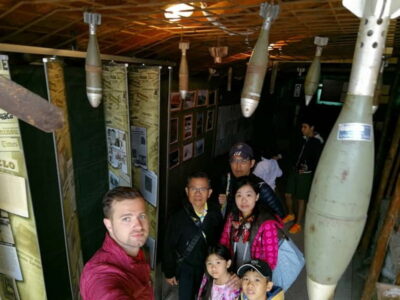
Tunnel Museum Yugoslavia War Tour with War Veteran
Read our review →
ROSES OF SARAJEVO (Official WAR + CITY tour)- Story of a Survivor
Read our review →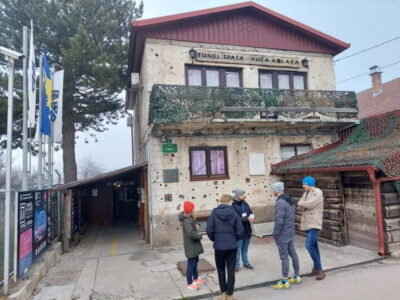
Tunnel Museum: Bosnian & Yugoslav Wars Tour with War Veteran
Read our review →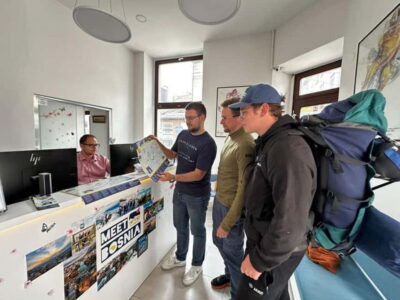
Bosnian War & Fall of Yugoslavia Tour with Tunnel
Read our review →
Sarajevo War Tour: A Veteran’s Story of the Siege (fees included)
Read our review →Browse the lists this tour appears in