
Review · WAR HISTORY & SIEGE TOURS
Sarajevo: Srebrenica Genocide Study Tour with War Veteran
Some places ask you to remember. This one insists.
This 10-hour trip from Sarajevo to Srebrenica combines a war veteran guide with visits to the Potočari Memorial Center, the former UN battery factory, the cemetery, and the town of Srebrenica. I especially like the way the guide sets the events in the wider story of Yugoslavia before you reach the memorial, and I value the small-group format, limited to eight people. The main drawback is clear: it is a long day in a car, with about five hours of total driving and very heavy subject matter.
You leave Sarajevo at 8 AM and normally return around 6 PM. Guides such as Adis, Adnan, Senad, and Almir have been praised for combining personal wartime experience with a calm, factual approach. That balance matters here. This is not a sightseeing outing with a sad stop added on. It is a study tour, a memorial visit, and a hard lesson in recent European history.
In This Review
- Key points before you book
- The 8 AM start in Sarajevo
- Entering the former UN battery factory at Potočari
- The memorial room and the voices of victims
- Walking through the Potočari cemetery
- Seeing Srebrenica beyond the memorial
- The return to Sarajevo
- What the $80 price really covers
- Who should take this tour
- Should you book the Srebrenica study tour?
- FAQ
- How long is the Srebrenica study tour from Sarajevo?
- Where does the tour start?
- Is transport included?
- What food is provided?
- How large is the tour group?
- Is the tour conducted in English?
Key points before you book
- A former soldier leads the journey: Your guide may explain the war through personal experience, family stories, and places seen along the road.
- Potočari is the heart of the day: You visit the former Dutch UN battalion headquarters, now home to the Srebrenica Genocide Museum.
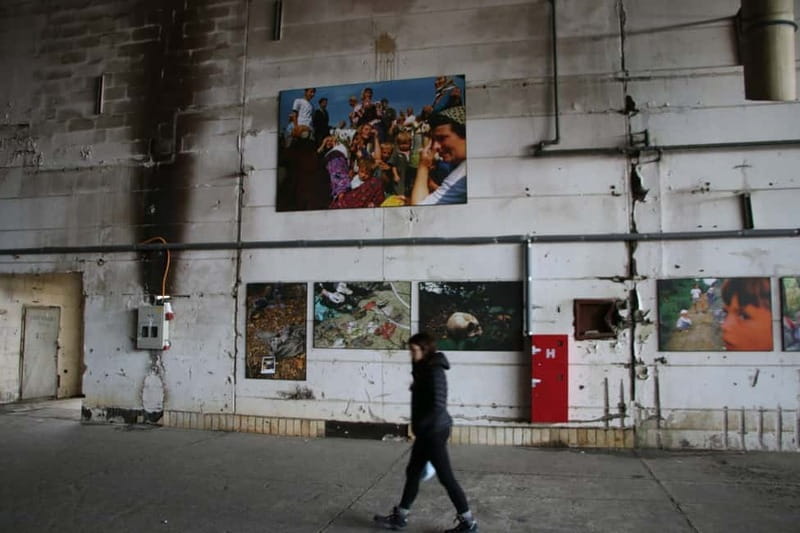
- The memorial room uses personal testimony: Recorded stories, photographs, films, and other displays give the victims and survivors a human voice.
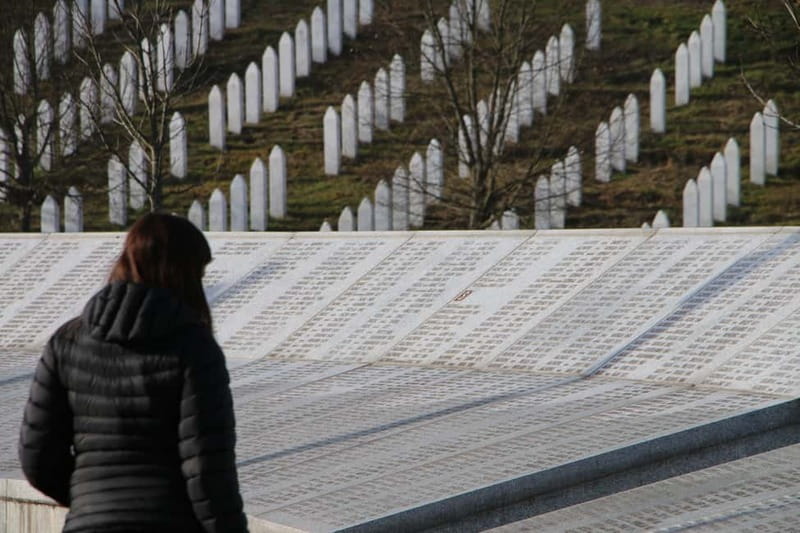
- The cemetery is quiet and deeply moving: The identified victims are buried in long rows of white gravestones, with the listed number currently at 6,575 and rising as remains are identified.
- You also see present-day Srebrenica: The former industrial center is now a greatly reduced town, and the guide explains its difficult coexistence.
- The $80 package is practical: Transport, an English-speaking guide, a traditional Bosnian sausage sandwich, and pickup and drop-off are included.
The 8 AM start in Sarajevo
The meeting point is the Info Bosnia Tourist Information Center on Ferhadija, Sarajevo’s main pedestrian street. It is beside the Sarajevo Meeting of Cultures marker, so you have a useful landmark rather than a vague corner somewhere in the old city.
If you stay outside Sarajevo’s Old Town, pickup can be arranged from your accommodation. Hotel drop-off is also included at the end, if needed. Confirm the pickup details in advance, especially if you are not staying near Ferhadija.
The group is capped at eight people, and transport is by air-conditioned car or minivan. That is a good fit for this route. You get more room than on a large coach, and the guide can answer questions as the road unfolds. Several guides have also been praised for safe driving, careful stops, and keeping the journey comfortable in bad weather.
The road to Srebrenica takes about two and a half hours, sometimes closer to three hours with a stop. You pass through mountainous country and areas that feel sparse and quiet. Kravica and Bratunac are passed along the way rather than visited, so do not expect extra sightseeing stops there.
This drive is part of the lesson. Before you arrive, the guide explains the breakup of Yugoslavia, the Bosnian War, the situation in Sarajevo, and the events that led to the genocide at Srebrenica. A veteran guide can point out areas connected with fighting, hiding places, and wartime movement that would mean little without local explanation.
I like this use of travel time. The subject can be difficult to understand if you arrive cold and walk straight into a memorial. The background on the road gives you a framework, then the museum supplies the evidence and personal accounts.
Other tours covering the siege years and their sites:
- Fall of Yugoslavia, Sarajevo War Tour with Tunnel of Hope Museum and Frontlines
★ 5.0 · 1,314 reviews - Sarajevo: Tunnel Museum Yugoslavia War Tour with War Veteran
★ 5.0 · 1,111 reviews - ROSES OF SARAJEVO (Official WAR + CITY tour)- Story of a Survivor
★ 5.0 · 770 reviews
Entering the former UN battery factory at Potočari
Your first major stop is Potočari, outside Srebrenica. The former battery factory was used as the headquarters of the Dutch battalion of the United Nations forces during the war. It is now part of the memorial complex and houses the Srebrenica Genocide Museum.
The setting is stark. You are not entering a purpose-built museum removed from the events. You are entering a place tied directly to what happened. That physical connection gives the visit weight before the first display is explained.
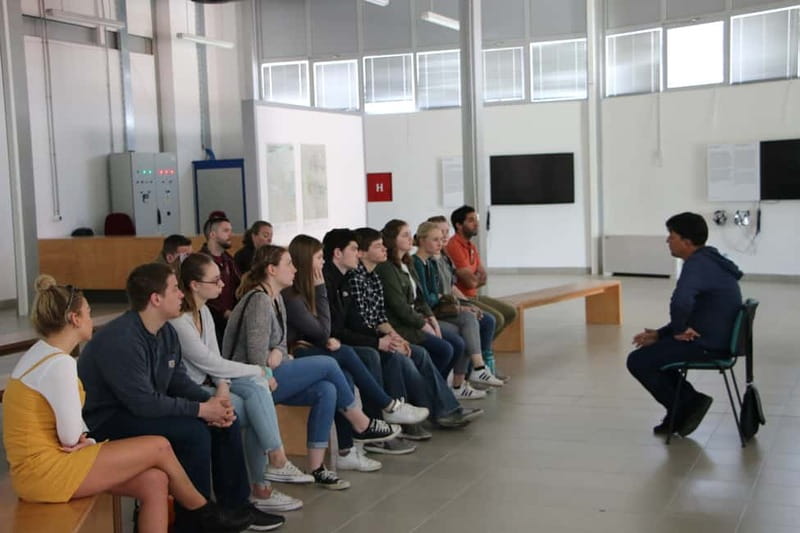
A local curator or memorial guide leads part of the visit. The tour information describes firsthand accounts of survival in the Srebrenica enclave, while comments about the museum point to visual material, photographs, audio documentation, satellite images, and personal testimony. A film of about 30 minutes may also be shown.
Allow yourself time here. One useful criticism is that some people have wanted more time to explore the museum at their own pace. The schedule must balance museum time, the cemetery, Srebrenica town, lunch, and the drive back, so the visit is guided and structured rather than completely open-ended.
The strongest part of the museum is its human scale. Dates and military movements matter, but personal accounts help you understand what those events meant for families, civilians, survivors, and people trying to escape. Guides including Adis and Adnan have been praised for giving context without turning the visit into a political speech.
The memorial room and the voices of victims
From the museum, you continue to the memorial room. This section includes stories of victims recorded by a local journalist. Listening to individual voices changes the tone of the visit. You are no longer dealing only with figures, maps, and institutional failures. You are hearing about people.
Part of the room is also devoted to those responsible for the massacre. That is important because the memorial is not only a place of mourning. It also examines responsibility and the events that produced the killings.
The experience is emotionally demanding. You should expect a quiet, serious atmosphere and material that may be upsetting. The guide can answer questions, but you also have time to process what you are seeing. This is a place where rushing to take photographs would feel out of place. A respectful visit means giving the cemetery and memorial room your full attention.
Several guides have handled this part with particular care. Adis has been praised for sharing his own wartime memories while keeping his explanations factual. Adnan has been noted for patience and compassion, especially when answering difficult questions. Senad has also been praised for explaining the wider conflict before arriving at the memorial.
The guides do not all tell exactly the same story. That is one reason the personal element can be valuable, though you should remember that a veteran’s experience is one perspective within a much larger historical record. The museum, memorial material, and local curators provide an important counterweight and help place individual memories in context.
Walking through the Potočari cemetery
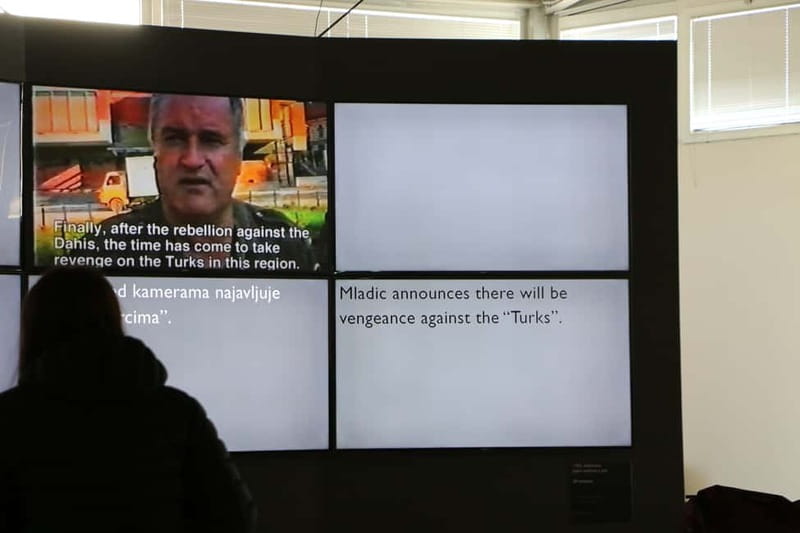
Across from the former factory is the Potočari Memorial cemetery. The white gravestones extend across the grounds in orderly rows, creating a powerful contrast with the scale of the loss they represent.
The listed number of identified victims is currently 6,575, and that figure rises as additional remains are found and identified. The number is not static. That fact makes the cemetery feel like an ongoing place of remembrance rather than a finished historical site.
Your guide will give you time to walk, reflect, and pay respects. Some people find this the hardest part of the day because the cemetery is so direct and quiet. The museum explains the sequence of events, but the graves show the human cost in a form that is impossible to keep at a distance.
You do not need special preparation beyond suitable clothing and a respectful attitude. Comfortable shoes help, since the day includes walking around the memorial complex. Weather can change, and rain has affected previous visits, so bring a waterproof layer. The tour provides transport, but it does not remove the need to dress for a full day outdoors and on the road.
Same corner of the country, a different kind of day:
- Sarajevo: Mostar, Konjic, Blagaj Tekke, Pocitelj & Waterfall
★ 4.9 · 1,666 reviews - Sarajevo: Grand Walking Tour Through Time and Cultures
★ 4.8 · 1,236 reviews - Sarajevo: Mostar, Konjic, Sufi House, Pocitelj & Kravice Falls
★ 5.0 · 1,179 reviews - Sarajevo: Tunnel of Hope Tour – Survival and Resilience
★ 4.8 · 630 reviews
Seeing Srebrenica beyond the memorial

After Potočari, you continue into Srebrenica itself. The town was once an industrial leader in the area and is described as one of the oldest settlements in the region. Today, it has the feel of a greatly diminished or ghost town.
That stop is important. If you only visit the cemetery, it is easy to see Srebrenica as a single tragic event. Walking or driving through the town gives you a sense of the place as a living community, even while the effects of war and displacement remain central to its identity.
The guide may take you to a viewpoint above the town and point out locations along the way. This is not a major panoramic sightseeing stop, and it should not be confused with a scenic tour. Its value is in connecting the memorial to the town and its surroundings.
The tour also addresses the difficult coexistence that continues in Srebrenica. This is one of the more useful parts of the day because it moves beyond the question of what happened and toward the question of how people live with the aftermath.
Lunch takes place in Srebrenica because there are few nearby restaurant options around the memorial area. A traditional Bosnian sausage sandwich is provided, with vegetarian or vegan food available if requested beforehand. The sandwich has received praise for being tasty and practical, but tell the company about dietary needs before departure.
Extra food and drinks are not included unless specifically provided. Bring water and perhaps a small snack, especially if you prefer more than a sandwich during a 10-hour outing.
The return to Sarajevo
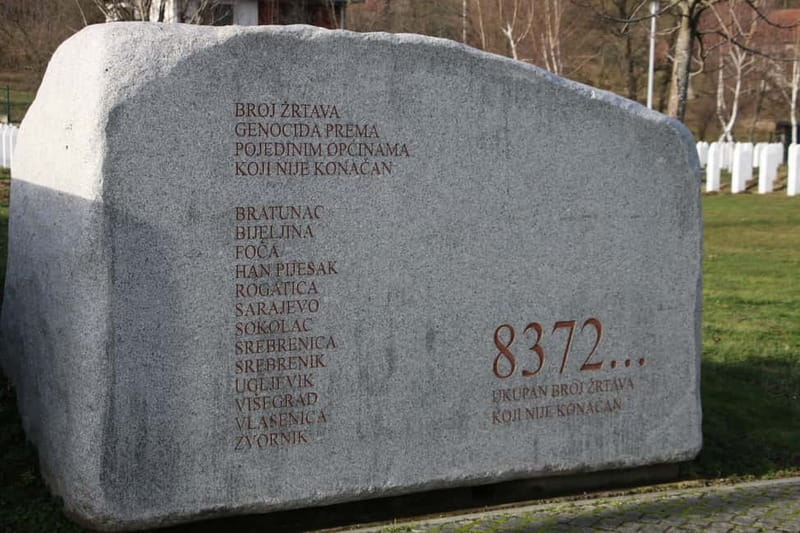
After the town visit, you begin the drive back to Sarajevo and normally arrive around 6 PM. The return trip gives you another chance to ask questions or sit quietly. After a day like this, you may appreciate both options.
The long drive is the tour’s biggest practical weakness. The road takes up a large part of the day, and the actual time at Potočari and Srebrenica is limited. One estimate places time at the main sites at roughly two to three hours, though the exact pace depends on the group, museum schedule, weather, and the guide.
Still, I think the journey is worthwhile for most people interested in Bosnia’s recent past. Reaching Srebrenica independently can be complicated, and a guide gives the road meaning instead of leaving you to piece everything together on your own. Pickup, drop-off, transport, and a meal also reduce the small hassles that can distract from the purpose of the visit.
The company’s transport receives very strong marks, with 95 percent of ratings giving it a perfect score. More important than the number is what that means on this particular route: a careful driver, good timing, and a guide who knows when to stop for a bathroom break or a coffee can make a long day much easier.
What the $80 price really covers
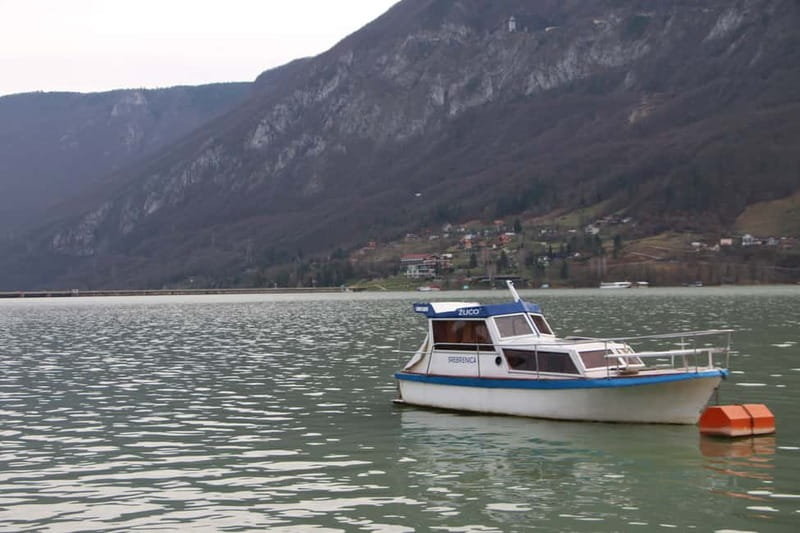
At $80 per person, this is good value if you want a guided visit rather than simply a ride to the memorial. The fee includes the English-speaking war veteran guide, air-conditioned transport, the small group, a Bosnian sausage sandwich, and hotel pickup and drop-off when arranged.
The strongest value comes from the guide. A standard transfer could get you to Potočari, but it would not explain the wartime geography on the road, the personal experiences of someone who served in the Bosnian Army, or the local context of Srebrenica town.
The price does not include general food and drinks beyond the stated sandwich. Museum and memorial access are part of the planned visit, and the tour offers skip-the-line handling, but you should still check the available departure time before booking.
Free cancellation is available up to 24 hours before the tour for a full refund. You can also reserve and pay later, which helps if your Sarajevo plans are still changing.
Who should take this tour
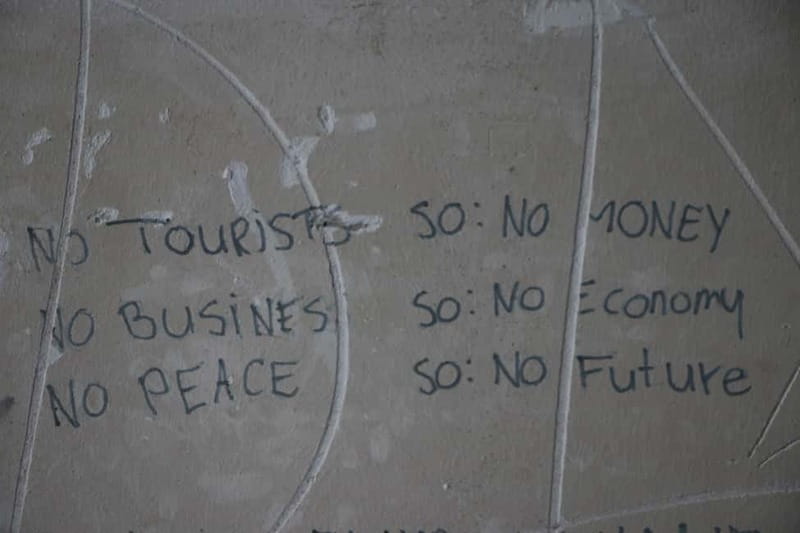
I recommend it most strongly to you if you want to understand Bosnia beyond its Ottoman bridges, mountain views, and attractive old towns. The tour gives you a direct way to study the Yugoslav Wars and the genocide at Srebrenica in the place where the events unfolded.
It suits adults and older teenagers who can handle difficult museum material and a somber day. It is also a good choice if you prefer asking questions in a small group rather than listening to a scripted presentation from a large coach.
You should think twice if you want a relaxed day trip or a broad sightseeing tour. Kravica and Bratunac are only passed, the drive is long, and the subject does not lighten simply because the scenery is beautiful.
The personal stories can be the tour’s greatest strength, but they also make the experience more intense. Guides have shared memories of serving during the war, living through the siege of Sarajevo, and having family connections to Srebrenica. That first-person perspective is valuable, yet you should give yourself quiet time afterward.
Should you book the Srebrenica study tour?
Book it if you have the time and emotional space for a serious day. The former UN compound, the museum, the memorial room, the cemetery, and the town visit form a clear sequence, while the veteran guide connects them with the wider story.
I would choose this over trying to arrange the visit alone, especially if you want historical explanation during the drive. Ask for a vegetarian or vegan sandwich in advance, wear comfortable shoes, carry water, and expect to return to Sarajevo tired.
Skip it only if your Bosnia schedule is too tight for a 10-hour day or you know that genocide memorials are not right for you at this point in your trip. For everyone else, this is a meaningful and carefully handled way to pay respects, ask hard questions, and understand a part of Europe’s recent past that should not be forgotten.
FAQ
How long is the Srebrenica study tour from Sarajevo?
The tour lasts about 10 hours. It starts at 8 AM and normally returns to Sarajevo around 6 PM.
Where does the tour start?
The usual meeting point is the Info Bosnia Tourist Information Center on Ferhadija pedestrian street, beside the Sarajevo Meeting of Cultures marker. Pickup from accommodation can be arranged if you stay outside Sarajevo’s Old Town.
Is transport included?
Yes. Transport by air-conditioned car or minivan is included, along with hotel drop-off at the end when required.
What food is provided?
A sandwich with traditional Bosnian sausage is provided. Vegetarian and vegan food can be arranged if you tell the guides about your dietary needs beforehand.
How large is the tour group?
The tour is limited to eight participants. In some cases, only one or two people have booked, creating a more private experience.
Is the tour conducted in English?
Yes. The tour includes a live English-speaking guide. Some visits also include a local guide or curator at the Srebrenica Memorial Center.
Newest around Sarajevo
- Understanding Srebrenica Genocide + Lunch with Local Family★ 4.9 · 14 reviews
- Private Full Day Safari Tour★ 5.0 · 8 reviews
- Sarajevo: Trebević Mountain Summit Hiking Tour★ 4.2 · 2 reviews
- From Sarajevo: Kozice Waterfalls Hiking Experience in Nature★ 5.0 · 2 reviews
- Sarajevo Under Siege: A War History Tour★ 5.0 · 10 reviews
- WAR TUNNEL – Sarajevo’s only way of a communication during the WAR – Top secret★ 5.0 · 12 reviews
- Mysterious Visoko Pyramids Driving and Walking Tour★ 5.0 · 7 reviews
- Ultimate Gastro Experience★ 4.5 · 14 reviews
War History & Siege Tours, compared.
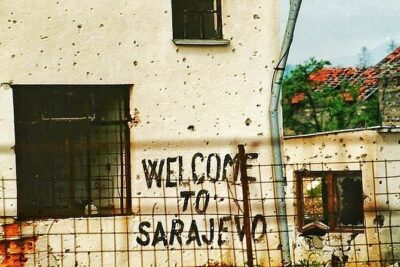
Fall of Yugoslavia, Sarajevo War Tour with Tunnel of Hope Museum and Frontlines
Read our review →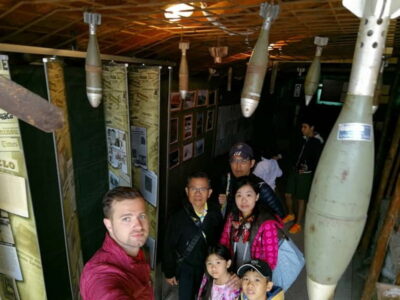
Tunnel Museum Yugoslavia War Tour with War Veteran
Read our review →
ROSES OF SARAJEVO (Official WAR + CITY tour)- Story of a Survivor
Read our review →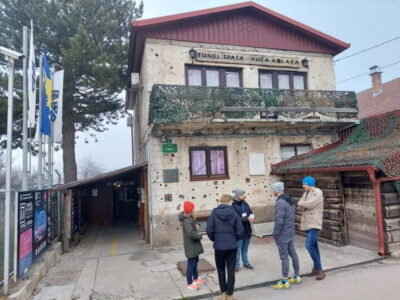
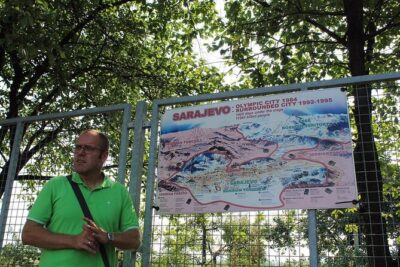
Tunnel Museum: Bosnian & Yugoslav Wars Tour with War Veteran
Read our review →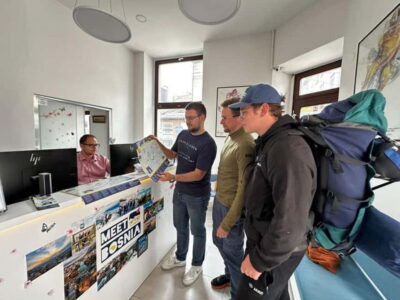
Bosnian War & Fall of Yugoslavia Tour with Tunnel
Read our review →
Sarajevo War Tour: A Veteran’s Story of the Siege (fees included)
Read our review →Browse the lists this tour appears in