
Review · WAR HISTORY & SIEGE TOURS
Sarajevo to Srebrenica: Genocide Study Tour with War Veteran
Some journeys ask you to listen carefully. This 10-hour Sarajevo to Srebrenica study tour combines a clear account of Yugoslavia’s collapse with a visit to the Srebrenica Genocide Memorial, and I especially like the small-group format and the chance to hear personal wartime memories from guides such as Adis, Adnan, and Omer.
I also like that the tour gives you time inside the museum rather than treating Srebrenica as a quick photo stop. The main consideration is emotional: this is a difficult day, and the amount of information can feel heavy, especially during the long drive through eastern Bosnia.
In This Review
- Key points to know before booking
- Why this Srebrenica day trip matters
- Starting in central Sarajevo at 8:00 a.m.
- The road east from Sarajevo
- Potocari and the former UN battery factory
- The memorial room and the cemetery
- Lunch in Srebrenica, not just a memorial stop
- What makes the guides so important
- Price, comfort, and overall value
- Who should book this experience
- Practical advice for a respectful visit
- Should you book the Sarajevo to Srebrenica tour?
- FAQ
- How long does the tour from Sarajevo to Srebrenica last?
- Where does the tour start?
- Is hotel pickup available?
- Is food included?
- How large is the group?
- Can I cancel for a full refund?
Key points to know before booking
- The day begins around 8:00 a.m. from central Sarajevo, with pickup available elsewhere in the city.
- The drive takes about two and a half hours each way, through remote mountain country in eastern Bosnia.
- The former Dutch UN base at Potocari now contains the Museum of Srebrenica Genocide.
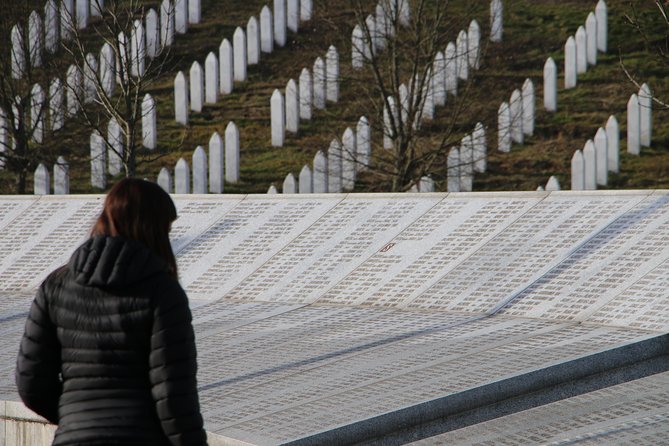
- The cemetery contains 6,575 identified victims, with the number increasing as remains are identified.
- The guide’s personal perspective matters, especially when the guide has lived through the Bosnian War or can explain its effect on present-day Bosnia.
- The tour is limited to 12 people, though some departures may be smaller, making it suitable for solo visitors.
Why this Srebrenica day trip matters
Srebrenica is not simply another historical stop outside Sarajevo. It is a place where the failures of international protection, political extremism, propaganda, and military violence became painfully concrete.
The tour begins by placing the genocide within the wider collapse of Yugoslavia. That context is essential. Without it, the memorial, museum displays, and cemetery can feel like separate pieces of a story you only partly understand.
Your guide explains the breakup of Yugoslavia during the drive. The format works well because the road time becomes part of the lesson rather than dead time between attractions. Guides have answered questions about the war, Yugoslav politics, hate speech, and Bosnia’s current political situation.
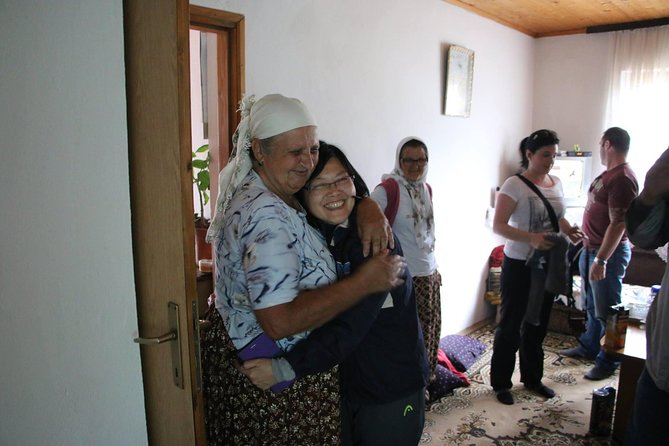
Several guides have received especially strong praise for their personal approach. Adis has shared his own wartime experience and is now active in educational and social work. Adnan is described as both an experienced guide and an activist. Omer has spoken about seeing the war as a child in Sarajevo.
That does not mean every departure will have the same guide. It does mean Dream Balkans Travel has a team capable of presenting the subject with more than textbook facts. If hearing personal testimony is important to you, ask who will lead your departure when you book.
Other tours covering the siege years and their sites:
- Fall of Yugoslavia, Sarajevo War Tour with Tunnel of Hope Museum and Frontlines
★ 5.0 · 1,314 reviews - Sarajevo: Tunnel Museum Yugoslavia War Tour with War Veteran
★ 5.0 · 1,111 reviews - ROSES OF SARAJEVO (Official WAR + CITY tour)- Story of a Survivor
★ 5.0 · 770 reviews
Starting in central Sarajevo at 8:00 a.m.
The usual meeting point is in front of the Info Bosnia Tourist Information Center on Ferhadija, Sarajevo’s main pedestrian street, close to the Sarajevo Meeting of Cultures marker. The supplied meeting point is also listed as Velika avlija, Laure Papo Bahorete 2.
The operator provides pickup from locations throughout Sarajevo. If you stay outside the Old Town, hotel pickup and return make the morning easier. For a private home, you need to provide a Google Maps location.
The day starts with a short introduction, bottled water, and a traditional Bosnian sausage sandwich. A vegetarian version is available if you request it in advance. This is described as breakfast, so do not assume that the sandwich replaces a full lunch later in the day.
The vehicle is an air-conditioned car or minivan. That matters on a 10-hour outing, especially since much of the day is spent on the road. The group limit is 12 people, although some departures have been as small as seven or even solo arrangements.
The early start is practical. Srebrenica is about two and a half hours from Sarajevo, and the memorial complex deserves unhurried attention. You return to Sarajevo in the evening, so this is not a casual half-day excursion.
The road east from Sarajevo
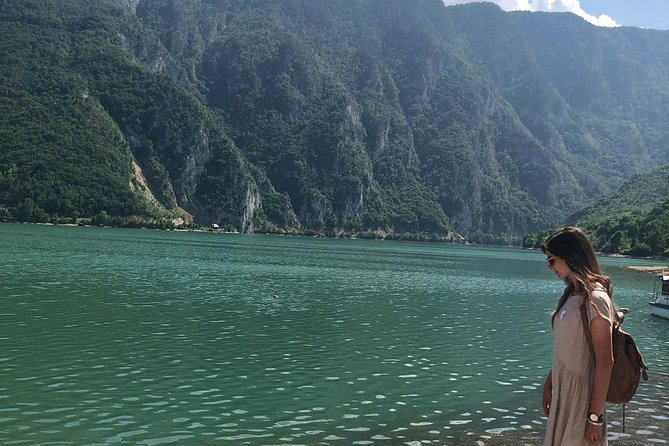
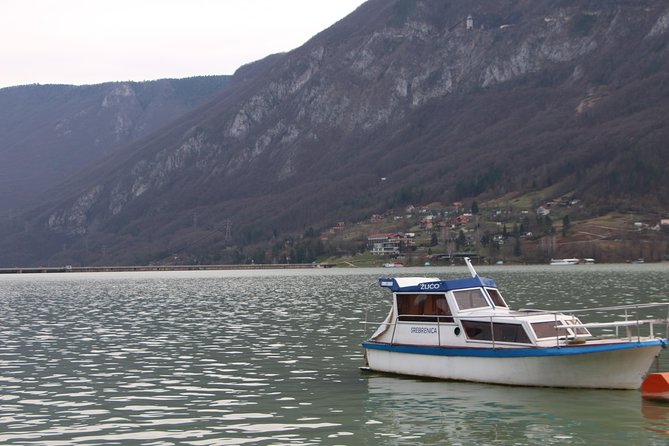
The drive passes through mountainous eastern Bosnia. The setting is quiet and remote, with long stretches of natural scenery and relatively little urban development.
I would treat the road as a major part of the experience, not just transportation. The guide begins explaining the historical setting while you travel, giving you time to ask questions before arriving at the memorial.
The road also helps you understand the physical distance between Sarajevo and Srebrenica. On a map, the destination may look manageable. In practice, the journey takes time, and the isolation of the area adds weight to the visit.
A long drive has one drawback: the day can feel mentally and physically tiring. The subject is demanding, and the guide may cover a great deal of material before you even reach Potocari. If you prefer to absorb information slowly, do a little reading about Yugoslavia and the Bosnian War before departure.
That preparation is useful rather than essential. The tour is designed to explain the background, but prior knowledge lets you spend more energy thinking about what you see instead of trying to remember every name and date.
Potocari and the former UN battery factory
The first major stop is at the Potocari Memorial Centre, in front of the former battery factory used by Dutch UN forces during the Bosnian War.
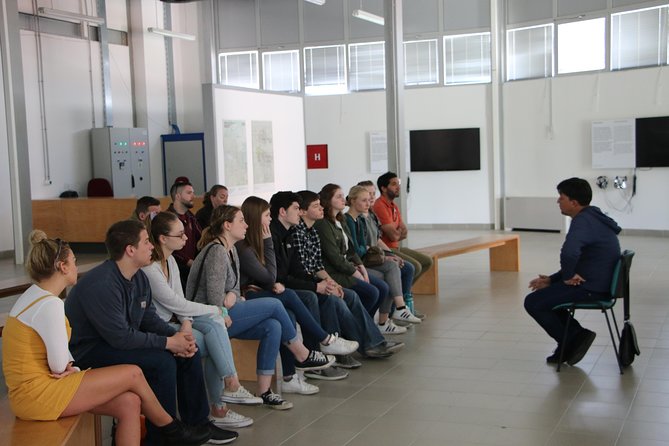
The site now contains the Museum of Srebrenica Genocide. The museum uses multimedia displays and film selections to explain the events that led to the massacre. The focus is not only on military movements and political decisions. Personal stories help show what the violence meant for families and individuals.
This is one of the strongest parts of the day. A museum can provide structure that an outdoor memorial alone cannot. You begin with the setting, the international presence, the fall of the enclave, and the human cost.
Guides usually introduce the museum and then give you time to look around. That balance is important. One of the most praised aspects of the experience is that the guide does not rush people through the exhibits.
The former UN headquarters also carries its own message. The building links the promise of protection with the reality of what happened. You do not need a long explanation to understand why the place feels so serious.
Expect the museum to be upsetting. It contains accounts of victims, survivors, and the events surrounding the genocide. This is not a stop for casual sightseeing or cheerful conversation. Dress comfortably, take your time, and allow space afterward to process what you have seen.
Same corner of the country, a different kind of day:
- Sarajevo: Mostar, Konjic, Blagaj Tekke, Pocitelj & Waterfall
★ 4.9 · 1,666 reviews - Sarajevo: Grand Walking Tour Through Time and Cultures
★ 4.8 · 1,236 reviews - Sarajevo: Mostar, Konjic, Sufi House, Pocitelj & Kravice Falls
★ 5.0 · 1,179 reviews - Sarajevo: Tunnel of Hope Tour – Survival and Resilience
★ 4.8 · 630 reviews
The memorial room and the cemetery
After the museum, the tour continues to a memorial room. Here, you hear accounts of victims, with material prepared by a local journalist. The room also addresses people responsible for the massacre.
That final element matters. The visit is not only about mourning. It also deals with responsibility and the forces that allowed the crime to happen. The presentation helps connect individual loss with the larger political and military story.
The cemetery is the quietest and most visually direct part of the visit. White gravestones stretch across the grounds, each marking a victim whose remains have been identified.
The supplied tour information gives the current count as 6,575 identified victims, with that number rising as more remains are found and identified. The figure is not static, and that fact makes the cemetery feel like an ongoing place of remembrance rather than a completed historical chapter.
You may find this part of the tour more powerful than expected. The museum gives you facts and testimony. The cemetery gives those facts a human scale.
There is no need to force a reaction. Some people pray, some stand quietly, and some need to walk away for a few minutes. The guides described for this tour are careful and respectful, but you should still expect the experience to be emotionally intense.
Lunch in Srebrenica, not just a memorial stop
After Potocari, the route continues into Srebrenica itself. The town was once an industrial center and one of the area’s oldest settlements. Today, it is described as almost a ghost town.
The contrast between its former importance and current condition is part of the lesson. Srebrenica is not only a cemetery or museum. It is a living town shaped by war, displacement, return, and economic decline.
Lunch is scheduled in Srebrenica because there are few nearby restaurants around the memorial complex. The included food is the traditional Bosnian sausage sandwich provided at the beginning of the day. Additional food and drinks are not included unless specifically stated.
Some departures have included a meal with a local Bosnian family, along with a woman sharing her experience of returning to Srebrenica after the war. That sounds like a memorable addition, but you should confirm whether it is part of your specific booking rather than assuming it is guaranteed.
The lunch stop gives you a needed pause after the memorial. It also places you in the town itself, where the present-day reality is easier to notice than it would be from a coach window.
What makes the guides so important
The guide can make or break a history tour, especially one dealing with mass violence. Here, the strongest feature is the mix of detailed explanation and personal connection.
Adis has been praised for his openness, calm humor, and willingness to discuss difficult questions. Adnan has been described as able to connect the Srebrenica story with the wider history of Yugoslavia and current political tensions. Omer has explained the war from the viewpoint of someone who experienced it as a child in Sarajevo.
Other named guides include Ibrahim, Danijela, Edin, Kenan, Yasimov, and Adnan. The exact guide depends on the departure, but the repeated pattern is clear: the company places great importance on careful explanation and respectful conduct.
A good guide should not tell you what to feel. The best guides provide context, answer questions directly, and leave room for silence. That approach is especially valuable here because the subject can easily become simplified or reduced to slogans.
The small group helps. A maximum of 12 people means questions are easier to ask, and the guide can adjust the pace. Some departures have operated with only a handful of participants, which is useful for solo visitors who want company without joining a large bus group.
Price, comfort, and overall value
At $82.84 per person, this is a fairly strong value for a full-day trip from Sarajevo. The price includes the driver and guide, air-conditioned transportation, bottled water, the Bosnian sausage sandwich, and hotel pickup and drop-off when required for accommodations outside the Old Town.
You are paying for more than a transfer to Srebrenica. The drive takes roughly five hours round trip, and the tour adds historical explanation, museum access, memorial visits, and time in Srebrenica itself.
The value depends on how much guidance you want. If you only need transportation, a private rental car might give you more freedom. But driving yourself would not provide the same organized interpretation or access to guides with personal connections to the war.
The small group also improves the value. You get a more personal setting without paying the cost of a private tour. The vehicle is air-conditioned, which is a practical comfort on a long day.
Food is the one area to watch. The morning sandwich is included, but the general policy says food and drinks are not included unless specified. Plan for the possibility of paying for lunch in Srebrenica, and ask ahead if a family meal is important to you.
Who should book this experience
This tour suits you if you want to understand Bosnia and Herzegovina beyond Sarajevo’s Ottoman streets, Austro-Hungarian buildings, and lively cafe culture.
It is particularly useful for:
- First-time visitors to Bosnia and Herzegovina who want a clear explanation of the 1990s war.
- Solo visitors who prefer a small group and organized transport.
- Students and history-minded visitors who want museum displays and personal testimony together.
- People interested in modern European politics, international intervention, and the long effects of conflict.
- Visitors willing to spend a full day on a serious subject, rather than fitting Srebrenica into a rushed sightseeing schedule.
You should think twice if you want a light, scenic day trip. The mountain views are beautiful, but they are not the purpose of the outing. You also may not enjoy a guide-led approach if you prefer to visit sensitive sites without background discussion.
The tour is suitable for most participants, and service animals are allowed. It is near public transportation at the starting point, although pickup removes much of the morning hassle.
Practical advice for a respectful visit
Wear comfortable clothing and shoes. You will spend time moving between the museum, memorial room, cemetery, and vehicle, and the day is long.
Bring water even though bottled water is provided. The drive is substantial, and a small personal snack may be useful if you prefer to eat at set times.
Request the vegetarian sandwich when booking. Do not wait until the morning if dietary needs matter to you.
Ask your guide questions, but remember that this is a memorial site, not a debate club. The guides are open to difficult questions, yet the setting calls for care and restraint.
Give yourself quiet time after returning to Sarajevo. The tour ends back at the meeting point, usually in the evening. You may want a simple dinner and an early night rather than another packed activity.
Cancellation is free if you cancel at least 24 hours before the start time. Changes made less than 24 hours before departure are not accepted, and the tour requires a minimum number of participants.
Should you book the Sarajevo to Srebrenica tour?
Yes, if you want a serious and well-supported introduction to one of Europe’s most painful modern events. I especially value the combination of the museum, cemetery, town visit, and guide-led history lesson. No single stop has to carry the whole day.
Book it knowing what you are choosing. This is not easy sightseeing, and the amount of information may feel overwhelming. But the careful guides, comfortable transport, small group size, and personal accounts make the $82.84 price reasonable for a full day of learning and remembrance.
If possible, ask which guide will lead your departure and confirm what is planned for lunch. Then arrive prepared to listen. Srebrenica deserves that kind of attention.
FAQ
How long does the tour from Sarajevo to Srebrenica last?
The experience lasts approximately 10 hours and starts at 8:00 a.m. It ends back at the meeting point in Sarajevo.
Where does the tour start?
The usual starting area is central Sarajevo, near the Info Bosnia Tourist Information Center on Ferhadija and the Sarajevo Meeting of Cultures marker. The listed meeting point is Velika avlija, Laure Papo Bahorete 2.
Is hotel pickup available?
Yes. Pickup is available from locations throughout Sarajevo. If you stay outside the Old Town, hotel pickup and drop-off can be arranged. For a private home, you need to provide a Google Maps location.
Is food included?
A traditional Bosnian sausage sandwich and bottled water are included. A vegetarian sandwich is available on request. Other food and drinks are not included unless specifically stated.
How large is the group?
The maximum group size is 12 people. Some departures may be smaller, and the tour can work for solo visitors.
Can I cancel for a full refund?
Yes, if you cancel at least 24 hours before the experience starts. Cancellations or changes made less than 24 hours before the start time are not refunded or accepted.
Newest around Sarajevo
- Understanding Srebrenica Genocide + Lunch with Local Family★ 4.9 · 14 reviews
- Private Full Day Safari Tour★ 5.0 · 8 reviews
- Sarajevo: Trebević Mountain Summit Hiking Tour★ 4.2 · 2 reviews
- From Sarajevo: Kozice Waterfalls Hiking Experience in Nature★ 5.0 · 2 reviews
- Sarajevo Under Siege: A War History Tour★ 5.0 · 10 reviews
- WAR TUNNEL – Sarajevo’s only way of a communication during the WAR – Top secret★ 5.0 · 12 reviews
- Mysterious Visoko Pyramids Driving and Walking Tour★ 5.0 · 7 reviews
- Ultimate Gastro Experience★ 4.5 · 14 reviews
War History & Siege Tours, compared.
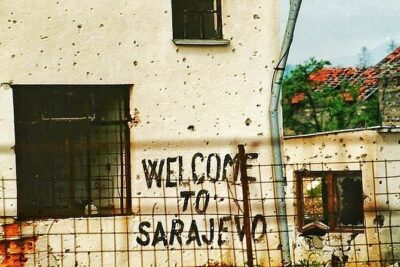
Fall of Yugoslavia, Sarajevo War Tour with Tunnel of Hope Museum and Frontlines
Read our review →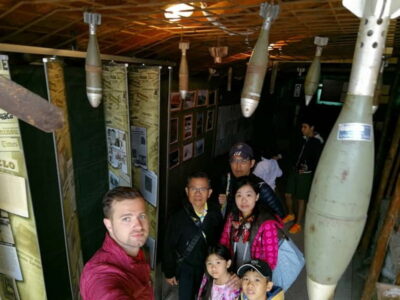
Tunnel Museum Yugoslavia War Tour with War Veteran
Read our review →
ROSES OF SARAJEVO (Official WAR + CITY tour)- Story of a Survivor
Read our review →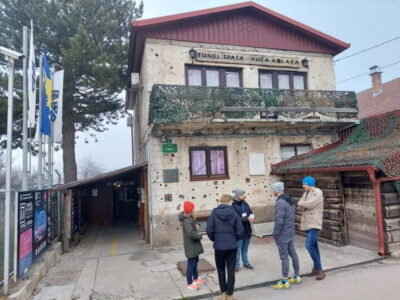
Tunnel Museum: Bosnian & Yugoslav Wars Tour with War Veteran
Read our review →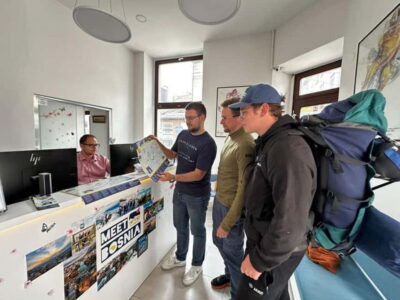
Bosnian War & Fall of Yugoslavia Tour with Tunnel
Read our review →
Sarajevo War Tour: A Veteran’s Story of the Siege (fees included)
Read our review →Browse the lists this tour appears in