
Review · WAR HISTORY & SIEGE TOURS
Sarajevo: Srebrenica Genocide Memorial and Testimonial Tour
Some places ask you to slow down. Sarajevo’s Srebrenica Genocide Memorial and Testimonial Tour takes you from Sarajevo into eastern Bosnia for a full day of remembrance, history, and quiet reflection. The Potočari Memorial and former UN base give the day its emotional weight, while the drive reveals a gentler side of Bosnia.
I like the personal element of the testimonial lecture, especially when the guide has a direct connection to the events. I also like the thoughtful driving commentary offered by guides such as Miralem, Safet, and Milo, who have helped explain both the war and the scenery along the way. The main drawback is simple: this is a difficult, emotionally heavy nine-hour outing, not a light sightseeing trip.
In This Review
- Key points to know before booking
- Why this Srebrenica day trip matters
- Leaving Sarajevo for eastern Bosnia
- Potočari Memorial, where names become people
- Inside the former UN base
- The testimonial lecture and personal connection
- Seeing Srebrenica town today
- What the nine-hour format feels like
- Is $76 good value?
- Who should take this tour?
- Practical tips for a respectful visit
- Final verdict: should you book it?
- FAQ
- Where does the tour meet in Sarajevo?
- How long does the Srebrenica tour last?
- How much does the tour cost?
- What is included in the price?
- Are food and drinks included?
- What languages are available?
- What should I wear or bring?
- Can I cancel the booking for a refund?
Key points to know before booking
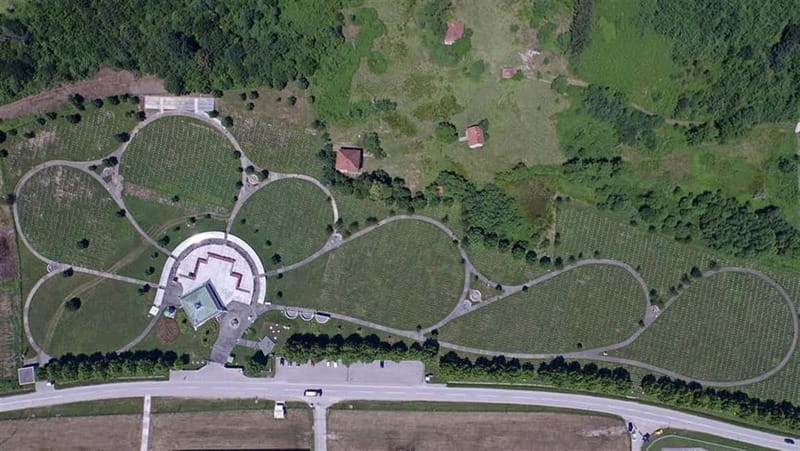
- Potočari Memorial honors more than 8,000 victims, making it the central and most solemn stop of the day.
- The former UN base now houses the Gallery of Genocide, where the international response and the events of 1995 are explained through exhibits and personal stories.
- A testimonial lecture adds a human voice to the history, with accounts from people connected to the tragedy.
- The drive from Sarajevo is part of the experience, with scenic eastern Bosnian views and historical commentary from the driver.
- The $76 price includes transport and a licensed guide, but food and drinks are extra.
- Modest clothing is required, including no shorts, short skirts, or sleeveless shirts. Bring a headscarf.
Why this Srebrenica day trip matters
Srebrenica is not simply another historic stop near Sarajevo. It is a place where the facts of the Bosnian War become personal and immediate.
In July 1995, more than 8,000 Bosniak men and boys were killed in and around Srebrenica. The Srebrenica Genocide Memorial at Potočari honors those victims and continues to receive remains as more victims are identified and buried. The visit asks you to pay attention, listen carefully, and accept that some places cannot be reduced to a neat sightseeing story.
I appreciate that this tour does not treat Srebrenica as a quick photo stop. The route, museum visit, guide commentary, and testimonial lecture build a fuller picture. You get the political background, the human cost, and the continuing importance of remembrance.
That approach suits you if you want to understand Bosnia beyond Sarajevo’s old bazaar, bridges, and cafés. It may not suit you if you prefer a relaxed day with plenty of free time and cheerful attractions.
Other tours covering the siege years and their sites:
- Fall of Yugoslavia, Sarajevo War Tour with Tunnel of Hope Museum and Frontlines
★ 5.0 · 1,314 reviews - Sarajevo: Tunnel Museum Yugoslavia War Tour with War Veteran
★ 5.0 · 1,111 reviews - ROSES OF SARAJEVO (Official WAR + CITY tour)- Story of a Survivor
★ 5.0 · 770 reviews
Leaving Sarajevo for eastern Bosnia
The tour begins at the local provider’s office at Zelenih beretki 30 in Sarajevo. From there, modern transportation carries you toward eastern Bosnia for a day lasting about nine hours.
The drive matters. It gives you time to move from the busy rhythm of Sarajevo into quieter surroundings, and it allows the guide to explain parts of the Bosnian War and points of interest along the route. Several guides have also used the journey to talk about the countryside and nearby places connected to the region’s past.
You should not expect a nonstop lecture. The appeal of the drive is its changing pace. You can look out at the hills and rural scenery, listen to the guide, and prepare yourself for the memorial visit. One account described the route as a chance to see the beautiful countryside around Sarajevo, while another noted that traditional Bosnian food could sometimes be fitted into the day. Since food is not included, I would not count on that as part of the standard plan.
This is also the point where you should settle into the day’s tone. The road may be peaceful, but the destination is not easy. A calm view outside the window can make the subject feel even more stark.
Potočari Memorial, where names become people
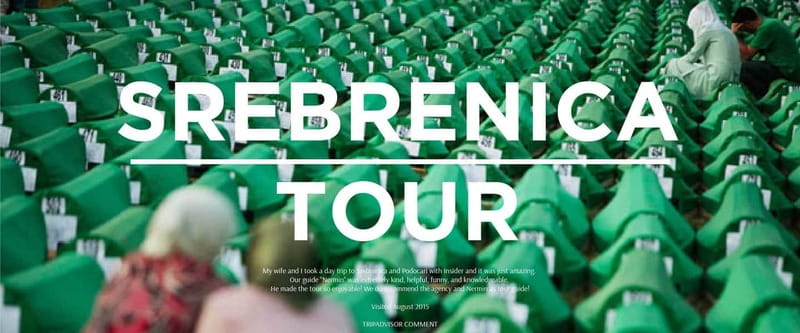
The Srebrenica-Potočari Memorial Complex is the emotional center of the outing. The white memorial gravestones stretch across the site, honoring thousands of people killed during the genocide.
You will have the chance to pay your respects and take in the scale of the loss. The setting is quiet, but the message is direct. Rows of markers turn an enormous number into individual lives. That is one reason this visit can affect you more than reading a short account in a museum or watching a documentary at home.
Your guide helps place the memorial in context, but the site itself does much of the speaking. Give yourself room to be quiet. You do not need to fill every pause with questions or photographs.
The visit is especially valuable for anyone who has already seen Sarajevo’s war memorials and wants to understand the wider regional story. Sarajevo shows the scars of a long siege. Potočari shows what happened when a supposed safe area failed to protect the people gathered there.
You should dress respectfully. Shorts, short skirts, and sleeveless shirts are not allowed, and a headscarf is listed among the items to bring. Even apart from the rules, modest clothing is the right choice for a memorial site.
Inside the former UN base
One of the tour’s strongest features is the Gallery of Genocide, housed in the former United Nations base. The building connects the international role in Srebrenica with the experience of the people caught inside the crisis.
This is not an abstract museum setting. The former base was part of the story, and that location gives the exhibits added force. You can learn about the timeline of the Bosnian War, the events that led to the genocide, and the role of international forces and the United Nations.
The museum helps answer questions that the memorial alone cannot. What happened before July 1995? How did the situation develop? What did the UN presence mean on the ground? What happened to civilians who had placed their hopes in international protection?
I find this balance important. A memorial can move you, but a museum can help you understand. The Gallery of Genocide brings together both elements, using exhibits and stories to show how the tragedy unfolded.
The experience is likely to feel confronting. The subject matter is not softened for comfort, and that is part of its value. You should arrive ready to listen rather than rush through. If you have only a short attention span for war history, this may be the hardest section of the day.
Same corner of the country, a different kind of day:
- Sarajevo: Mostar, Konjic, Blagaj Tekke, Pocitelj & Waterfall
★ 4.9 · 1,666 reviews - Sarajevo: Grand Walking Tour Through Time and Cultures
★ 4.8 · 1,236 reviews - Sarajevo: Mostar, Konjic, Sufi House, Pocitelj & Kravice Falls
★ 5.0 · 1,179 reviews - Sarajevo: Tunnel of Hope Tour – Survival and Resilience
★ 4.8 · 630 reviews
The testimonial lecture and personal connection
The testimonial lecture gives the tour its most personal voice. You hear firsthand accounts from people connected to the events, rather than relying only on dates, maps, and official explanations.
That human perspective can change how you understand the genocide. A guide who has a personal connection to the atrocities can explain not only what happened, but how those events affected families and communities. One guide, Miralem, has been praised for offering detailed explanations and presenting the day with warmth and care. Safet has also been noted for his knowledge of the genocide, while another guide, Milo, was remembered as a charming and attentive older gentleman.
Guide assignments can change, so you should not book expecting one particular person. Still, the range of positive comments about the guides points to an important strength: the quality of the interpretation matters as much as the vehicle or route.
A good guide knows when to speak and when to let the place remain quiet. You may have questions about responsibility, international action, survival, and memory. Ask them respectfully. This is a setting for careful conversation, not debate for its own sake.
The lecture may be the point at which the day becomes most emotionally difficult. That is normal. You can learn a great deal from it, but you should not treat the emotional impact as entertainment.
Seeing Srebrenica town today
The tour also takes you into Srebrenica town, once a peaceful community and now a place marked by the war and its aftermath.
The town visit helps you see that Srebrenica is not only a memorial complex. It is a living place with a difficult present and a past that remains visible. The contrast between ordinary streets, quiet scenery, and the weight of the genocide can be unsettling.
I value this part because it prevents the day from becoming a single isolated museum experience. You see the wider setting in which people lived, worked, raised families, and tried to carry on after the war.
Do not expect a long list of attractions in town. Its importance comes from context rather than entertainment. You are there to understand the transformation of a community, not to collect another postcard view.
What the nine-hour format feels like
Nine hours gives the tour enough time to cover the drive, memorial, former UN base, lecture, and town without turning every stop into a rushed glance. It also means you should plan for a long day with a serious subject.
The modern transportation is a practical advantage. Eastern Bosnia is not a quick walk from Sarajevo, and having a driver and licensed guide removes the stress of arranging the route yourself. The driver can also point out sights along the way, which makes the travel time useful rather than wasted.
The trade-off is flexibility. You are following a structured day, so you may not control every stop or decide exactly how long to stay in each place. For this destination, that structure is usually helpful. It keeps the visit focused and ensures that the museum and testimonial elements are not squeezed out by transport delays.
Food and drinks are not included. Bring something if you need regular snacks, and do not assume lunch is part of the $76 price. One guide has managed to include time for traditional Bosnian food, but that appears to depend on the day’s timing rather than being a guaranteed feature.
Is $76 good value?
At $76 per person, the tour offers solid value if you want a guided visit rather than simply reaching Srebrenica on your own.
The price includes modern transportation and a licensed guide. More important, it includes interpretation at places where the historical context is essential. The former UN base, memorial complex, and testimonial lecture would be much harder to understand through a quick independent visit.
You are paying for a full day, the long round trip from Sarajevo, professional guiding, and access to a carefully arranged historical experience. The value is not in the number of sights. It is in the quality and seriousness of the explanation.
The price does not include food or drinks, so budget for those separately. If you want a cheerful mix of sightseeing and lunch stops, this is not the best use of your money. If you want to learn about the Bosnian War and honor the victims of Srebrenica, the cost is reasonable.
Free cancellation up to 24 hours before departure and the option to reserve now and pay later also make the booking less rigid. Starting times depend on availability, so check the date carefully before you commit.
Who should take this tour?
I would recommend it most strongly to people who want a meaningful historical experience while visiting Sarajevo. It suits you if you are willing to listen, ask thoughtful questions, and accept a day that may stay with you long after you return.
It is also useful if you want expert help with the wider setting. The genocide is complex, and a guide can connect the memorial, museum, town, and road journey in a way that a short independent visit may not.
You should think twice if you are traveling with very young children, although the supplied information does not set an age limit. The material is painful, and the nine-hour day may feel long for anyone who needs constant activity.
This tour is not about dramatic scenery alone, though the countryside can be beautiful. It is not a casual excursion from Sarajevo. You are going to a memorial site, hearing personal accounts, and confronting a recent European atrocity.
Practical tips for a respectful visit
Wear modest clothing from the start of the day. Shorts, short skirts, and sleeveless shirts are not allowed, and you should bring a headscarf as requested.
Bring water and a snack because food and drinks are not included. If the schedule allows a traditional Bosnian meal, treat it as a welcome extra rather than a promise.
Keep your phone use discreet at the memorial and during the testimonial lecture. You may want photographs of the scenery, but the memorial itself calls for restraint.
Give yourself emotional space afterward. The tour returns to Sarajevo within the nine-hour schedule, but the subject may not feel finished when the vehicle arrives back in town.
The tour is offered in Bosnian and English, with a live guide. If you need English commentary, confirm that language when checking availability.
Final verdict: should you book it?
Book this tour if you want to understand Srebrenica through the memorial, the former UN base, the town, and personal testimony rather than through a quick visit alone. The combination of a licensed guide, modern transport, and firsthand accounts gives the day real purpose.
I especially value the guides’ personal approach, the quiet drive through eastern Bosnia, and the chance to see the place beyond a single memorial. The emotional weight is the only serious caution, but that is also why the experience matters.
If you are prepared for a solemn day, $76 is a fair price for this carefully focused journey from Sarajevo. If you want a lighter excursion, choose another day trip.
FAQ
Where does the tour meet in Sarajevo?
The meeting point is the local tour provider’s office at Zelenih beretki 30 in Sarajevo.
How long does the Srebrenica tour last?
The experience lasts about nine hours.
How much does the tour cost?
The listed price is $76 per person.
What is included in the price?
The price includes a licensed guide and modern transportation.
Are food and drinks included?
No. Food and drinks are not included in the tour price.
What languages are available?
The live tour guide is available in Bosnian and English.
What should I wear or bring?
Bring a headscarf. Shorts, short skirts, and sleeveless shirts are not allowed.
Can I cancel the booking for a refund?
Yes. You can cancel up to 24 hours in advance for a full refund. You can also reserve now and pay later.
Newest around Sarajevo
- Understanding Srebrenica Genocide + Lunch with Local Family★ 4.9 · 14 reviews
- Sarajevo: Trebević Mountain Summit Hiking Tour★ 4.2 · 2 reviews
- Private Full Day Safari Tour★ 5.0 · 8 reviews
- From Sarajevo: Kozice Waterfalls Hiking Experience in Nature★ 5.0 · 2 reviews
- Sarajevo Under Siege: A War History Tour★ 5.0 · 10 reviews
- Mysterious Visoko Pyramids Driving and Walking Tour★ 5.0 · 7 reviews
- WAR TUNNEL – Sarajevo’s only way of a communication during the WAR – Top secret★ 5.0 · 12 reviews
- Ultimate Gastro Experience★ 4.5 · 14 reviews
War History & Siege Tours, compared.
Fall of Yugoslavia, Sarajevo War Tour with Tunnel of Hope Museum and Frontlines
Read our review →
Tunnel Museum Yugoslavia War Tour with War Veteran
Read our review →
ROSES OF SARAJEVO (Official WAR + CITY tour)- Story of a Survivor
Read our review →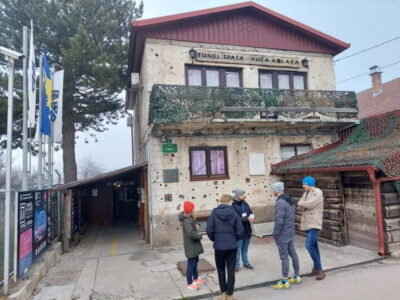
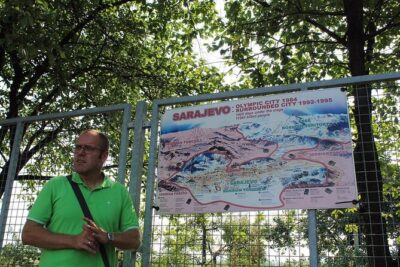
Tunnel Museum: Bosnian & Yugoslav Wars Tour with War Veteran
Read our review →
Bosnian War & Fall of Yugoslavia Tour with Tunnel
Read our review →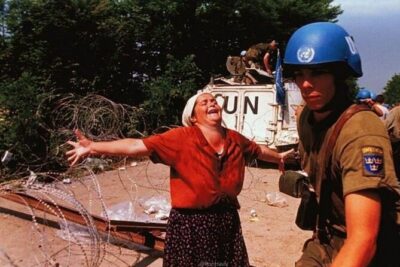
Sarajevo War Tour: A Veteran’s Story of the Siege (fees included)
Read our review →Browse the lists this tour appears in