
Review · WAR HISTORY & SIEGE TOURS
Sarajevo City SIghtseeing / War Bike Tour
Sarajevo reveals itself one street at a time. This six-to-seven-hour bike tour links the old bazaar, Ottoman landmarks, Austro-Hungarian monuments, wartime sites, and the green springs of the Bosna River in one full day. I like the mix of city sightseeing and serious history, especially the visit to the Sarajevo War Tunnel. I also like the small maximum group of 10, which gives the guide room to answer questions and adjust the pace.
The strongest part is the local storytelling. Guides such as Mustafa, Mirza, Said, and Arna have been praised for making the past clear without turning the day into a dry lecture. The main caution is distance: one outing covered just over 25 miles, so you should be comfortable spending much of the day on a bicycle. At $138.34 per person, this is not a cheap orientation tour, but it includes the bike, helmet, both admission fees, and a full day of transport under your own power.
In This Review
- Key points to know before booking
- Why Sarajevo Works So Well by Bicycle
- Starting at Sebilj and Baščaršija
- Vijećnica, Inat Kuća, and the River
- Latin Bridge and Sarajevo’s Ottoman Center
- Sacred Heart Cathedral and Sarajevo’s Many Faiths
- The Parliament Building and Signs of the Siege
- A Green Break at Vrelo Bosne
- The Sarajevo War Tunnel
- Guide Quality and Group Size
- Is $138.34 a Fair Price?
- Who Should Book This Sarajevo Bike Tour?
- Final Call: Book It If You Want the Full Picture
- FAQ
- How long does the Sarajevo City Sightseeing and War Bike Tour last?
- What time does the tour begin?
- Where does the tour start?
- Where does the tour end?
- What is the maximum group size?
- Is the tour offered in English?
- Are bicycle equipment and entrance fees included?
- What happens if the weather is poor?
Key points to know before booking
- More than an old-town ride: You cover Baščaršija, central Sarajevo, the Parliament area, Vrelo Bosne, and the War Tunnel.
- A serious cycling day: One reported route ran just over 25 miles, making this better for active sightseers than casual riders.
- The War Tunnel puts Sarajevo’s recent past in focus: The museum visit explains how the tunnel linked two Bosnian-held areas during the siege.
- Small groups help the history come alive: The maximum is 10 people, with English-language guiding.
- Two admission fees are included: Entry to the War Tunnel museum and Vrelo Bosne is covered.
- The start and finish are central: Meet at Obala Isa-bega Ishakovića 3 at 9:00 a.m., then return to the same point.
Why Sarajevo Works So Well by Bicycle
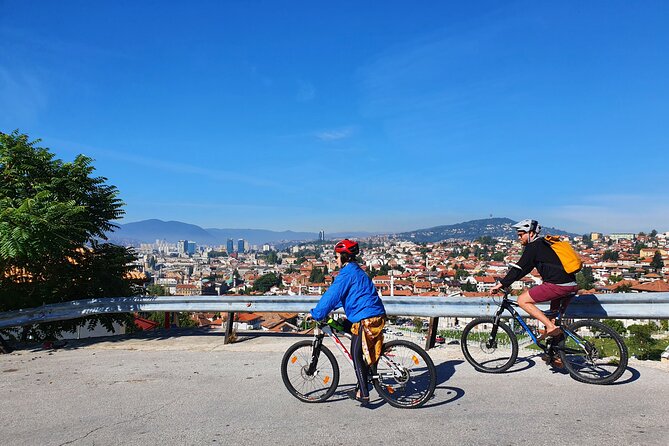
Sarajevo is compact in its central districts, yet its important sites are spread across a long valley. Walking lets you absorb the old town, but a bicycle gives you a wider view of the city and reaches places that would take more time on foot.
The route also shows how several eras sit close together. In Baščaršija, you move through Ottoman streets and craft shops. A short ride later, you face the 1914 assassination site at Latin Bridge, the Neo-Gothic Sacred Heart Cathedral, and modern government buildings marked by damage from the 1990s siege.
That range is the real reason to consider this tour. You are not simply ticking off monuments. You are seeing how Sarajevo’s Ottoman, Austro-Hungarian, Yugoslav, and wartime chapters overlap in one city.
The pace should suit people who want a lot from one day. You will stop often for short explanations, but the bicycle sections connect those stops. If you prefer long museum visits or slow café breaks, the day may feel packed.
More City Tours in Sarajevo
- ROSES OF SARAJEVO (Official WAR + CITY tour)- Story of a Survivor
★ 5.0 · 770 reviews - Sarajevo: Guided City Highlights Tour with Sarajevo Tunnel
★ 4.8 · 79 reviews - Sarajevo: Sarajevo City Market, Old Town Food Tasting Tour
★ 4.9 · 69 reviews
Starting at Sebilj and Baščaršija
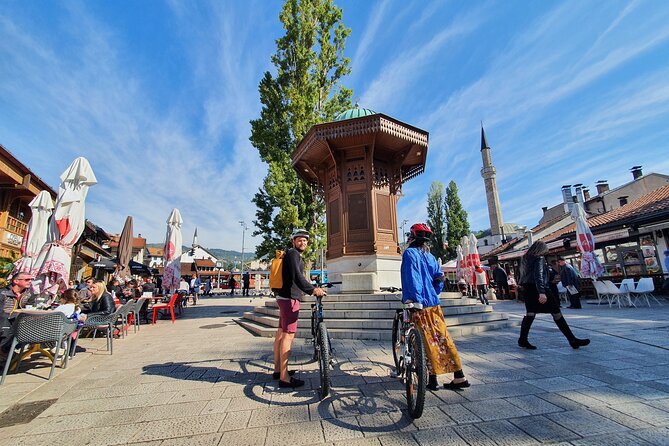
The meeting point is at Obala Isa-bega Ishakovića 3, and the tour begins at 9:00 a.m. The first landmark is Sebilj, the famous wooden fountain in the heart of Baščaršija.
Sebilj dates from the 18th century and has become one of Sarajevo’s best-known symbols. Its Ottoman design fits the setting: cobbled lanes, small shops, cafés, and traditional craft businesses surround the square. The stop is listed at about five minutes, so think of it as a quick orientation rather than a long visit.
From there, Kazandžiluk gives you a closer look at old Sarajevo’s working traditions. This narrow, pedestrian street is associated with coppersmiths who have made coffee pots, trays, jewelry, and other household items for centuries. The handmade copperware can make a better souvenir than a generic shop purchase, though you should allow extra time if you want to browse or buy.
The old town is one place where walking the bicycle may be easier than riding. The cobbled surface and pedestrian lanes are part of the charm, but they are not built for fast cycling. Your guide handles the route, so follow instructions and expect to pause in the busiest sections.
Vijećnica, Inat Kuća, and the River
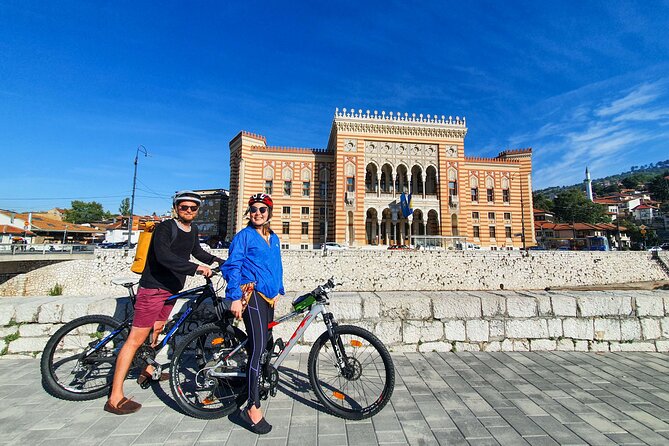
Sarajevo City Hall, known as Vijećnica, is one of the city’s most striking buildings. Built in 1894 in the Moorish Revival style, it later served as the National Library. The building was badly damaged during the Siege of Sarajevo and reopened after restoration in 2014.
Even from outside, Vijećnica helps explain the city’s layered identity. It is not simply an attractive historic building. Its damage and repair connect the imperial period, the city’s cultural life, and the destruction of the 1990s.
Across the river is Inat Kuća, or House of Spite. The story is wonderfully Sarajevo: when officials wanted the site for City Hall, the owner refused to sell. The house was eventually moved brick by brick to the opposite bank.
Today, Inat Kuća operates as a restaurant serving Bosnian food. The tour gives you a short look, not a full meal stop, so you may want to return later if you would like to eat there. The tale also adds a human touch to the grand architecture nearby. Official plans may shape a city, but one stubborn homeowner can leave a mark too.
Latin Bridge and Sarajevo’s Ottoman Center
Latin Bridge is linked to the assassination of Archduke Franz Ferdinand in 1914, the event that triggered World War I. The bridge itself dates from the Ottoman period and remains a compact but important city landmark.
You will likely spend only a few minutes here, but the guide’s explanation matters more than the amount of time. The site is easy to pass without noticing, yet its place in European history is enormous. A good guide can connect the bridge to the political tensions of the time without making the stop feel like a textbook paragraph.
The route then returns to the Ottoman center for Gazi Husrev-beg Mosque and Gazi-Husrev Beg’s Bezistan. The mosque, built in 1530, is Sarajevo’s largest and one of its key Islamic monuments. The nearby Bezistan is a covered 16th-century market with shops set beneath arched arcades.
These stops show that Baščaršija is not an open-air museum frozen in the past. It remains a place for shopping, worship, coffee, and daily life. If you want to enter any religious building or browse the market carefully, ask your guide how much time is available. The listed stop times are short, usually around five minutes.
Other tours covering the siege years and their sites:
- Fall of Yugoslavia, Sarajevo War Tour with Tunnel of Hope Museum and Frontlines
★ 5.0 · 1,314 reviews - Sarajevo: Tunnel Museum Yugoslavia War Tour with War Veteran
★ 5.0 · 1,111 reviews - Sarajevo: Tunnel of Hope Tour – Survival and Resilience
★ 4.8 · 630 reviews - Tunnel Museum: Bosnian & Yugoslav Wars Tour with War Veteran
★ 5.0 · 551 reviews
Sacred Heart Cathedral and Sarajevo’s Many Faiths
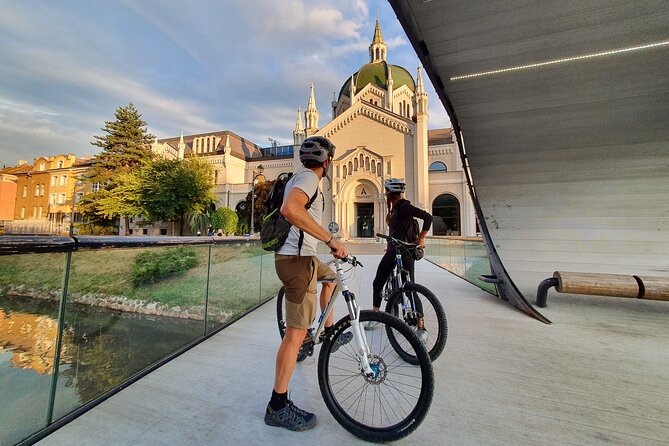
Sacred Heart Cathedral adds a different architectural and religious note. Built in the late 19th century, it is the largest cathedral in Bosnia and Herzegovina and an important Neo-Gothic landmark.
Placed near the mosque, covered market, and Ottoman lanes, the cathedral helps you understand Sarajevo as a city shaped by several faiths and empires. That contrast is one of the tour’s best teaching tools. You do not need a long formal lecture to see the pattern. A few blocks can carry you from Islamic Ottoman architecture to Catholic Neo-Gothic design.
The stop is brief, so this is mainly an exterior orientation unless your guide or schedule allows more time. The advantage is coverage. The tradeoff is that you will not study each site in depth.
The Parliament Building and Signs of the Siege
The Parliament Building of Bosnia and Herzegovina dates from 1982 and was designed by architect Juraj Neidhardt. Its modernist form differs sharply from the old town’s stone lanes, domes, arcades, and ornate façades.
The building was severely damaged during the Siege of Sarajevo and later restored. That detail turns a modern government structure into another piece of the city’s wartime story. You begin to see that the siege was not confined to one distant neighborhood. It affected the center, public buildings, homes, libraries, and ordinary routes through the city.
This is where the bicycle format is especially useful. You can cross a substantial part of Sarajevo and see the relationship between landmarks instead of viewing each one as an isolated stop. The guide’s commentary fills in the connections.
A Green Break at Vrelo Bosne
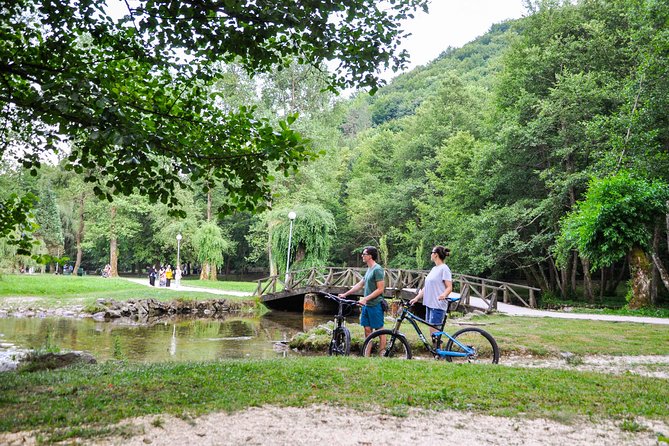
After the central sights, the tour reaches Vrelo Bosne, the public park at the source of the Bosna River near Mount Igman. The entrance fee is included, and the planned visit lasts about one hour.
This section gives the day a welcome change of mood. After monuments, bridges, markets, and wartime sites, the springs provide open space and a quieter setting. The source of the river is the attraction, but the park itself is also a reason for the stop.
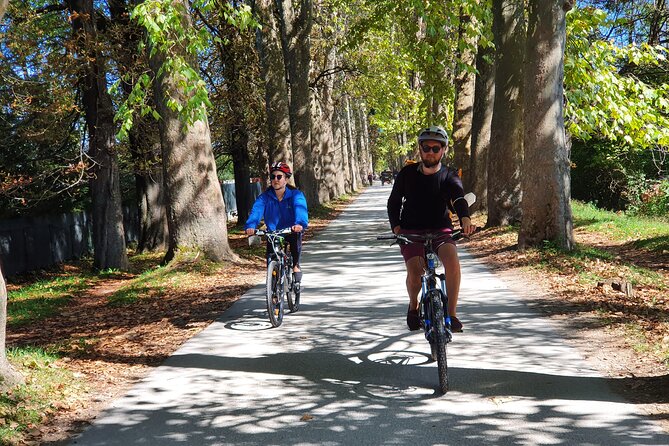
The cycling distance makes this part more meaningful than a quick bus transfer. You see more of Sarajevo’s setting as you move from the urban core toward the foothills. At the same time, this is one of the reasons you should take the mileage seriously. The route is not a gentle loop around the old town.
One guide-led outing covered just over 25 miles. That figure comes from a specific experience and may not describe every departure, but it gives you a useful benchmark. Bring the attitude of someone ready for a full active day, not a short sightseeing pedal.
The Sarajevo War Tunnel
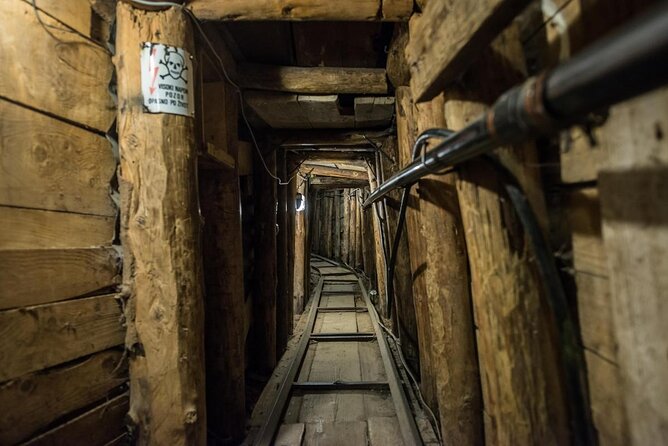
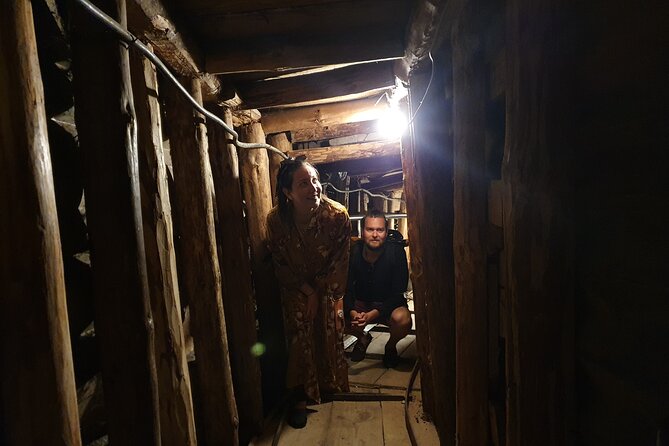
The Sarajevo War Tunnel is the emotional center of the tour. During the Bosnian War, it linked two Bosnian-held areas that had been cut off by the Army of Republika Srpska. The tunnel provided a vital route during the siege, when normal movement in and out of the city was blocked.
The museum admission is included, and the visit is planned for about one hour. That is enough time to give the site proper attention rather than treating it as a quick photo stop.
I value this part because it makes the war easier to understand in practical terms. The tunnel was not merely a symbol. It was a working lifeline, built under extreme conditions to move people and supplies between separated areas.
Expect the subject matter to be serious. Sarajevo’s war is not distant ancient history, and the museum’s purpose is to explain hardship, survival, and the mechanics of the siege. The guide’s role is important here. Mirza has been praised for keeping the day both informative and engaging, while Said and other guides have been singled out for clear explanations and friendly communication.
You should allow the guide to set the tone. This is a place for questions and reflection, not hurried sightseeing.
Guide Quality and Group Size
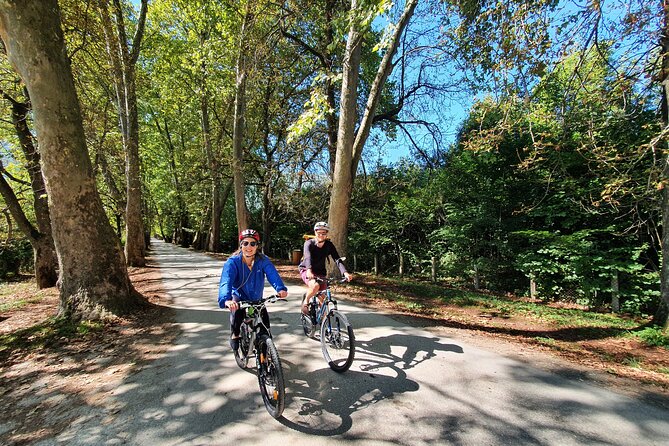
The tour is offered in English, and the maximum group size is 10. That limit is a real advantage on a bicycle. Large groups can create confusion at crossings, make it hard to hear commentary, and slow everyone down.
The guides named in the feedback include Mustafa, Mirza, Said, and Arna. Mustafa has been praised for adding less obvious city sights beyond the standard highlights. Mirza received especially strong praise for combining history with an entertaining approach. Arna has been noted for sharing practical suggestions about places to eat, shop, and continue exploring after the tour.
Guide quality matters more here than on a simple bike rental. The route crosses several periods of history, and the War Tunnel needs careful explanation. A local perspective can also help you understand why Sarajevo’s buildings and neighborhoods matter today, not only what happened there in the past.
The small group does not guarantee a private tour, but it should feel more personal than a large coach excursion. Group discounts are available, which may improve the per-person value if you are booking with family or friends.
Is $138.34 a Fair Price?
At $138.34 per person, the tour costs more than a basic walking tour or a bicycle rental. The price includes the bicycle, helmet, War Tunnel museum admission, Vrelo Bosne admission, and the guide’s service for roughly six to seven hours.
The value depends on how you would otherwise arrange the day. If you paid separately for a bike, found your way to Vrelo Bosne, arranged transport to the War Tunnel, and hired a guide for the history, the package could make practical sense. You also avoid spending time working out the route between central Sarajevo and the outer sites.
The less obvious value is the structure. Sarajevo’s history can feel fragmented if you visit sites on your own. This tour places the Ottoman center, the Austro-Hungarian-era landmarks, modern government buildings, and war sites into one connected story.
Still, the price is harder to justify if you want only a short introduction to Baščaršija. You are paying for range, distance, and guiding. If you are not comfortable cycling for several hours, choose a shorter walking or vehicle-based option instead.
Free cancellation is available up to 24 hours before the 9:00 a.m. start time. Changes made within 24 hours are not accepted, and the tour may be rescheduled or refunded if poor weather or an insufficient minimum group prevents it from running.
Who Should Book This Sarajevo Bike Tour?
I would choose this experience if I had one busy day in Sarajevo and wanted both the famous sights and a clearer understanding of the city’s recent past. It is especially suited to active visitors who like to cover ground and prefer a local guide to a self-guided route.
It also works well for people who want context. The city’s mosque, cathedral, bridge, market, library, parliament, springs, and tunnel are more powerful when you understand how they fit together.
I would think twice if you want a slow, flexible day. The schedule has many short stops, and the route can be long. Anyone booking should also be ready for serious war history, not just pretty architecture and café streets.
Final Call: Book It If You Want the Full Picture
Book this tour if you want Sarajevo in several chapters: Ottoman Baščaršija, European architecture, religious variety, modern government, mountain springs, and the hard facts of the siege. The included entries and small group make the $138.34 price easier to defend, while the guides add the local voice that turns a route into a meaningful day.
Skip it if the reported 25-plus-mile distance sounds tiring or if you prefer lingering at each monument. For an active visitor with limited time, though, this is one of the more useful ways to understand Sarajevo quickly and honestly.
FAQ
How long does the Sarajevo City Sightseeing and War Bike Tour last?
The tour lasts approximately six to seven hours.
What time does the tour begin?
The tour starts at 9:00 a.m.
Where does the tour start?
The meeting point is Obala Isa-bega Ishakovića 3, Sarajevo 71000, Bosnia and Herzegovina.
Where does the tour end?
The activity ends back at the meeting point.
What is the maximum group size?
The maximum group size is 10 people.
Is the tour offered in English?
Yes. English-language guiding is offered.
Are bicycle equipment and entrance fees included?
Yes. The bicycle and helmet are included, along with admission to the War Tunnel museum and Vrelo Bosne.
What happens if the weather is poor?
The tour requires good weather. If it is canceled because of poor weather, you will be offered another date or a full refund.
Newest around Sarajevo
- Understanding Srebrenica Genocide + Lunch with Local Family★ 4.9 · 14 reviews
- Private Full Day Safari Tour★ 5.0 · 8 reviews
- Sarajevo: Trebević Mountain Summit Hiking Tour★ 4.2 · 2 reviews
- From Sarajevo: Kozice Waterfalls Hiking Experience in Nature★ 5.0 · 2 reviews
- Sarajevo Under Siege: A War History Tour★ 5.0 · 10 reviews
- Mysterious Visoko Pyramids Driving and Walking Tour★ 5.0 · 7 reviews
- WAR TUNNEL – Sarajevo’s only way of a communication during the WAR – Top secret★ 5.0 · 12 reviews
- Ultimate Gastro Experience★ 4.5 · 14 reviews
War History & Siege Tours, compared.
Fall of Yugoslavia, Sarajevo War Tour with Tunnel of Hope Museum and Frontlines
Read our review →
Tunnel Museum Yugoslavia War Tour with War Veteran
Read our review →
ROSES OF SARAJEVO (Official WAR + CITY tour)- Story of a Survivor
Read our review →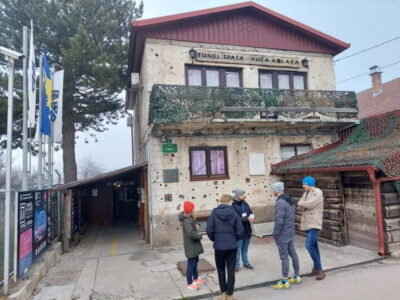
Tunnel Museum: Bosnian & Yugoslav Wars Tour with War Veteran
Read our review →
Bosnian War & Fall of Yugoslavia Tour with Tunnel
Read our review →
Sarajevo War Tour: A Veteran’s Story of the Siege (fees included)
Read our review →Browse the lists this tour appears in