
Review · WAR HISTORY & SIEGE TOURS
Inside the Siege: Sarajevo’s Story of Survival
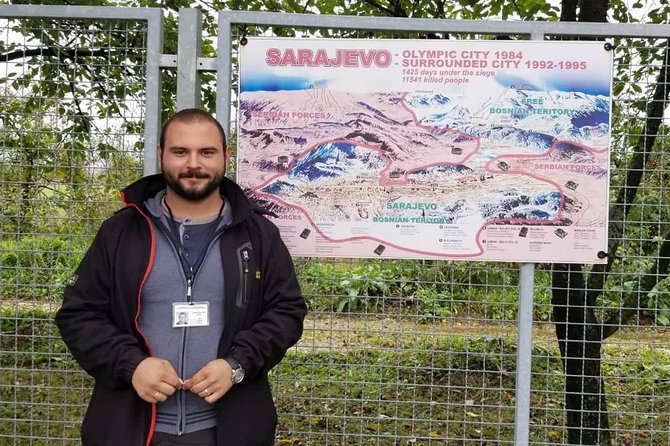
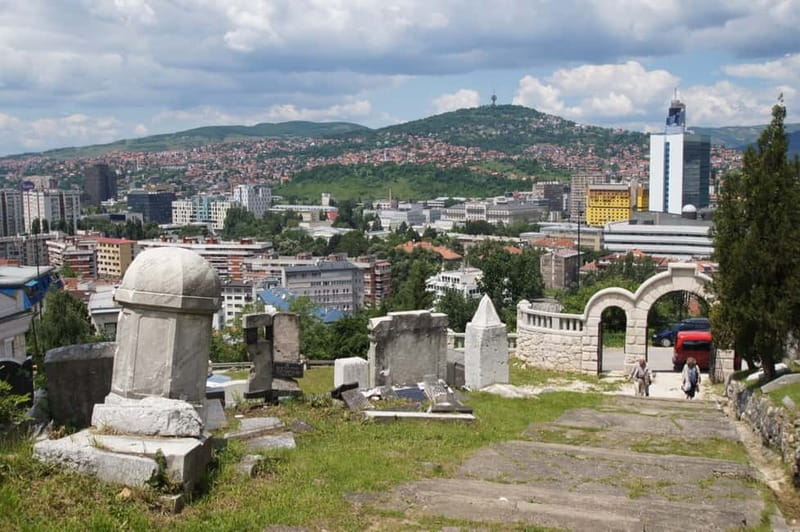
Sarajevo’s wartime story is best seen from the hills. I like the way this three-hour tour connects broad history with real places, from the Yellow Fortress view to Sniper Alley and the Tunnel of Hope. I also like the personal approach of guide Adis Hamzic, whose clear, committed storytelling earned repeated praise for making the fall of Yugoslavia and the siege easier to understand.
The main consideration is that this is a serious history tour, not a light sightseeing outing. You will pass memorials, cemeteries, and sites of civilian deaths, and the Tunnel of Hope entrance costs an extra €10 in local currency. The pace is efficient, with some stops lasting only a few minutes.
In This Review
- Key points to know before booking
- Starting beside Sarajevo’s main square
- Seeing Sarajevo from the Yellow Fortress
- From Olympic pride to wartime burial grounds
- Markale Market and the cost paid by civilians
- Driving through Sniper Alley
- Walking through the Tunnel of Hope
- Adis Hamzic’s way of telling the story
- What the return journey adds
- Is $41 a fair price?
- Who should book this Sarajevo siege tour?
- My recommendation
- FAQ
- How long does the Sarajevo siege tour last?
- Where does the tour begin and end?
- Is the Tunnel of Hope entrance fee included?
- What language is the tour conducted in?
- What places do you visit or pass during the tour?
- Is the tour available in bad weather?
- Can I cancel the booking or pay later?
Key points to know before booking
- The Yellow Fortress gives you the clearest view of the siege: From above Sarajevo, you can see why the city was so exposed and how the surrounding hills shaped the war.
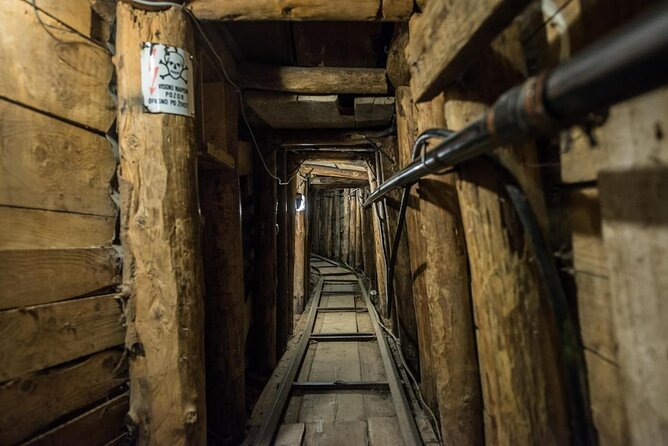
- The Tunnel of Hope is the tour’s central experience: You walk through a preserved section of Sarajevo’s only wartime link with the outside world.
- Adis Hamzic brings strong local knowledge: He explains political events, military pressure, and personal survival stories in plain English.
- Sniper Alley and Markale connect history to daily danger: These were not distant battlefields. They were ordinary city places where people went to work, shop, and cross the street.
- The $41 price covers transport and guiding, but not everything: Add €10 for the tunnel museum, payable on-site in local currency.
- The tour suits history-minded visitors best: It is especially useful if you want context before exploring Sarajevo’s museums and memorials on your own.
Starting beside Sarajevo’s main square
The tour begins at Mula Mustafe Bašeskije 65, in an office beside the main square and next to Pekara Edin bakery. Look for the Bosnian flag, or search Google Maps for Sarajevo Tours with Adis, which is noted as the more accurate map reference.
That central meeting point makes the tour easy to fit into a day in the Old Town. You start on foot at the edge of Sarajevo’s historic center, then transfer to a comfortable, air-conditioned vehicle for the wider route.
The group tour requires at least two participants. Starting times vary, so you need to check availability when booking. The three-hour length is useful: long enough to reach the major sites, but compact enough to leave room for an Old Town walk, a museum, or a meal afterward.
I would wear comfortable shoes. You do not spend the whole tour walking, but the Yellow Fortress and tunnel visit involve movement on foot, and the tunnel itself is not the kind of place for delicate footwear. Bring water, too. Food and drinks are not included, though you may carry your own.
Other tours covering the siege years and their sites:
- Fall of Yugoslavia, Sarajevo War Tour with Tunnel of Hope Museum and Frontlines
★ 5.0 · 1,314 reviews - Sarajevo: Tunnel Museum Yugoslavia War Tour with War Veteran
★ 5.0 · 1,111 reviews - ROSES OF SARAJEVO (Official WAR + CITY tour)- Story of a Survivor
★ 5.0 · 770 reviews
Seeing Sarajevo from the Yellow Fortress
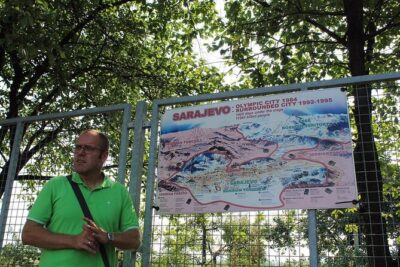
The first major stop is the Yellow Fortress, where you have about ten minutes to look across Sarajevo. The stop is brief, but it does important work. From this high point, the city appears enclosed by steep hills, making the siege easier to picture than it is from street level.
Your guide uses the view to explain the creation and collapse of Yugoslavia, the political tensions that led to war, and the way Sarajevo became surrounded. This is a good opening because the geography gives the history a physical shape. You can see the valley, the built-up city, and the slopes from which Sarajevo was watched and attacked.
Do not expect a long fortress visit or a full museum stop here. The Yellow Fortress is mainly a viewpoint and teaching spot. Its value comes from the explanation, not from the amount of time spent inside the site.
I like this beginning because it prevents the tour from becoming a string of disconnected war locations. You first understand the city’s position, then you descend into the places where the siege affected ordinary life.
From Olympic pride to wartime burial grounds
The drive down into the city includes a cemetery where Sarajevo’s defenders rest. You also pass several important city landmarks, including the City Market Hall and the Eternal Flame. These are brief drive-by views rather than extended visits, so you should not expect time to explore them in detail.
The Olympic Stadium provides a particularly striking contrast. Sarajevo hosted the 1984 Winter Olympics, a moment of international pride and peaceful attention only eight years before the siege began. During the war, part of the stadium had to serve as a cemetery because existing burial grounds filled up.
That change is one of the tour’s most effective historical lessons. The stadium is not presented only as an Olympic site. It shows how quickly a city built for sport and celebration had to adapt to death and emergency.
The itinerary includes a photo stop and pass-by visit of about ten minutes. Traffic or other conditions can change the exact timing, so think of the stadium as a visual pause rather than a full stadium tour. You will get the contrast and the explanation, but not an in-depth look at Olympic facilities.
Markale Market and the cost paid by civilians
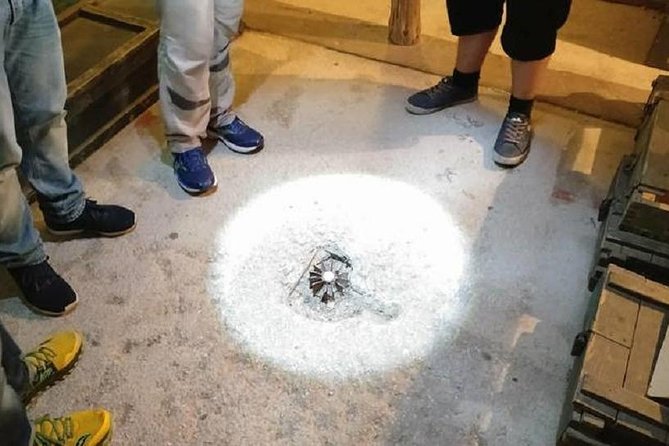
As the vehicle continues through central Sarajevo, you pass Markale Market. The market was the site of two mortar attacks that killed civilians, and the attacks had a major effect on international opinion and intervention.
This stop matters because Markale was an everyday place. People went there to buy food, not to take part in combat. A market, a road, a stadium, and a cemetery all became part of the city’s wartime reality.
You should know that this is a pass-by stop rather than a long visit. The guide’s explanation carries much of the weight. If you want to spend more time at the market afterward, you can return independently, but that is separate from the three-hour route.
The same is true of the Memorial to Murdered Children, which you pass during the drive. It honors the 1,601 children killed during the siege. The memorial adds a direct human scale to the broader political story, reminding you that the war was not only about governments and territory.
Same corner of the country, a different kind of day:
- Sarajevo: Mostar, Konjic, Blagaj Tekke, Pocitelj & Waterfall
★ 4.9 · 1,666 reviews - Sarajevo: Grand Walking Tour Through Time and Cultures
★ 4.8 · 1,236 reviews - Sarajevo: Mostar, Konjic, Sufi House, Pocitelj & Kravice Falls
★ 5.0 · 1,179 reviews - Sarajevo: Tunnel of Hope Tour – Survival and Resilience
★ 4.8 · 630 reviews
Driving through Sniper Alley
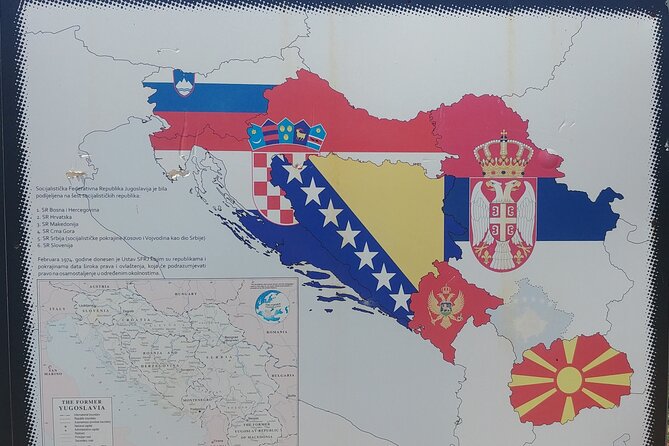
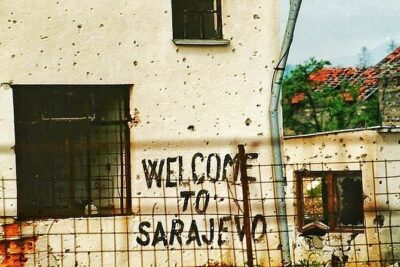
Sniper Alley was one of the most dangerous streets in Sarajevo during the siege. Snipers positioned in the surrounding hills fired at civilians, making something as simple as crossing the road a potentially deadly act.
Today, you pass through the area by vehicle. The modern street may not look dramatic at first, which is exactly why the guide’s context matters. Without an explanation, you could easily see only traffic and buildings. With it, an ordinary route becomes a place where fear shaped every movement.
This part of the tour is strongest when you pay attention to the relationship between the road and the hills. The opening view from the Yellow Fortress helps you understand that relationship. The tour returns to the same geography at street level, where the danger was felt directly.
There is no promise of a long stop or a separate memorial visit at Sniper Alley. It is mainly a narrated drive. That may disappoint you if you want to get out and photograph every location, but it keeps the tour moving toward its most important site.
Walking through the Tunnel of Hope
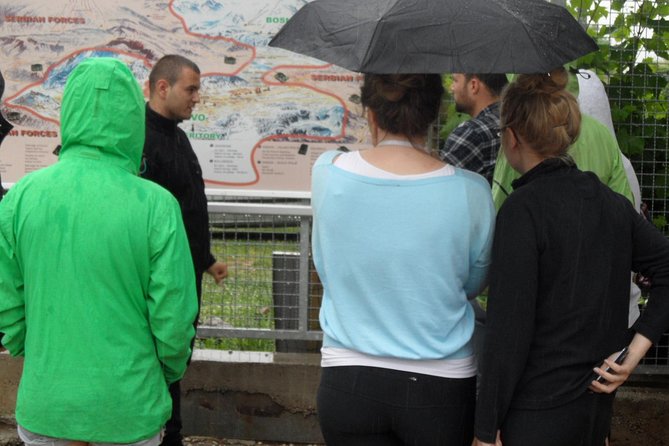
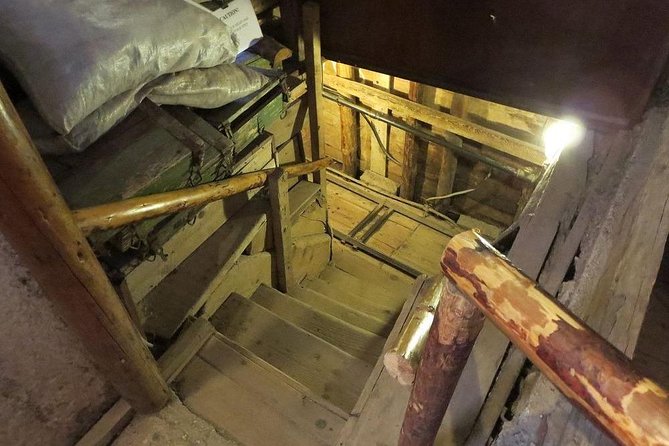
The Tunnel of Hope Museum is the heart of the experience. During the siege, this underground passage provided Sarajevo’s only connection to the outside world. Built in secret, it carried food, medicine, and other supplies into the trapped city.
You spend about an hour at the tunnel with a guided visit and time to walk through a preserved section. The tunnel is not simply a historical display. Its narrow passage helps you grasp the physical effort involved in keeping Sarajevo supplied when roads and normal transport routes were cut off.
I would save your questions for this stop. The tunnel brings together the political background, the military situation, and the daily problem of survival. You can better understand why people risked so much to build, maintain, and use it.
The entrance fee is not included. You pay €10 separately on-site, and only local currency is accepted. This is the most important practical detail to handle before the tour, since an international card or foreign cash may not solve the problem at the museum.
The tunnel visit also includes a skip-the-line separate entrance. That can matter during busy periods, since the museum is the one stop where you spend a substantial amount of time indoors and on foot.
Adis Hamzic’s way of telling the story
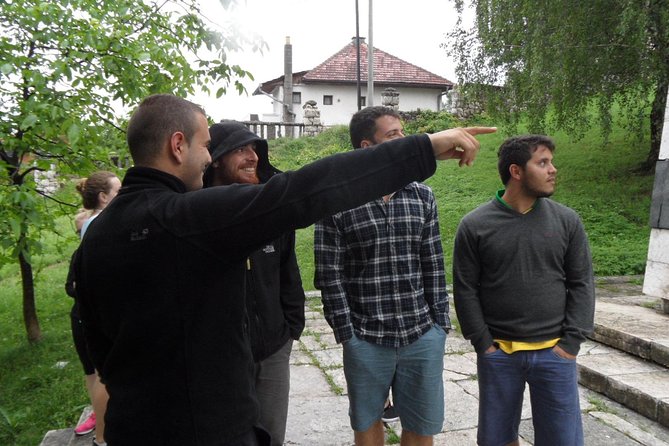
The guide makes a major difference on a tour like this. Adis Hamzic is repeatedly praised for being informative, passionate, committed, and able to answer questions about Sarajevo and the war.
Those qualities matter because the subject is complicated. The fall of Yugoslavia, the political divisions that followed, and the siege cannot be reduced to a few dates and slogans. You need a guide who can explain cause and effect without turning the tour into a lecture filled with names you will forget.
The tour is conducted in English. Adis combines historical context with personal stories, which gives the route a more human focus. You hear about the pressure of living under attack, the resourcefulness needed to survive, and the way Sarajevo’s people kept daily life going.
The tone is serious, but the purpose is not to overwhelm you. The strongest parts help you connect the places you see with the choices people had to make. If you enjoy asking questions, this tour should suit you particularly well. The available feedback describes Adis as someone who can handle questions easily, so do not be shy about stopping him for clarification.
Audio recording is not allowed. You can take photos where appropriate, but you should follow the guide’s instructions around memorials and sites connected with civilian deaths.
What the return journey adds
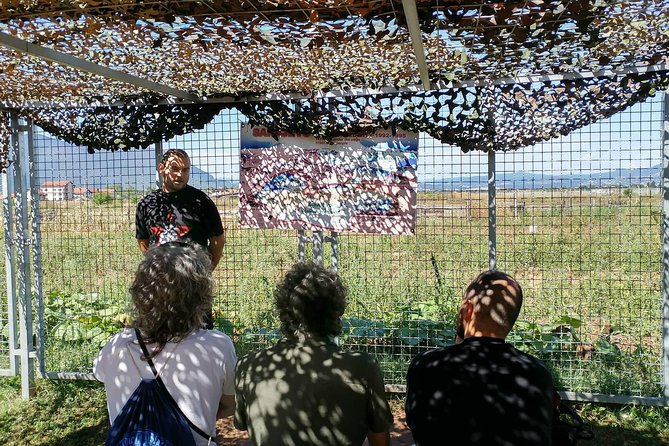
The route returns to the Old Town by vehicle, with a final panoramic view and a discussion of how the war ended. This closing conversation moves beyond battlefield history and asks what recovery looks like in modern Sarajevo.
The tour also addresses political divisions and the city’s future. That is valuable because Sarajevo is not a sealed historical exhibit. The war ended, but its effects remain part of the city’s public memory and political life.
I appreciate this final section because it avoids treating the siege as a finished story with a neat ending. You leave with a better sense of both survival and the difficult work that followed. The view on the way back gives you a chance to think over the places you have just seen.
The exact order may shift because of traffic or unforeseen circumstances. That should not be a major concern, since the key sites remain the same, but visitors who prefer a fixed minute-by-minute schedule may find the route less predictable.
Is $41 a fair price?
At $41 per person, the tour offers solid value if you want a guided introduction to Sarajevo’s wartime past. The price includes a professional local guide, air-conditioned transport, the Yellow Fortress viewpoint, the narrated drive through Sniper Alley, the Olympic Stadium visit, and the Tunnel of Hope tour itself, apart from the entrance charge.
You should budget an additional €10 in local currency for the tunnel museum. You may also want a little extra for water, a snack, or a souvenir, since those personal costs are not included.
The value comes from the transport and the interpretation. Sarajevo’s key siege sites are spread across the city, and reaching them independently takes more planning. A self-guided approach may cost less if you are content with only a few central stops, but it will not give you the same connected explanation of the hills, roads, markets, cemeteries, and tunnel.
The tour is also useful early in a Sarajevo visit. Once you understand the siege’s basic timeline and geography, later visits to museums and memorials will make more sense. If you already have detailed knowledge of the war, you may find the introductory material familiar, though the personal stories and city views can still add value.
Who should book this Sarajevo siege tour?
I would recommend it to adults and older teenagers who want a serious, place-based account of the siege. It suits anyone interested in modern European history, the breakup of Yugoslavia, civilian survival, or the way a city rebuilds after war.
It is also a good choice if you have only a short stay in Sarajevo. In three hours, you reach sites that would be awkward to combine on foot, while a local guide provides the background that makes them meaningful.
You may want a different activity if your main goal is architecture, food, nightlife, or a relaxed city tour. This experience includes difficult subjects and memorials to people who died, including 1,601 children. It asks for attention and respect.
The tour runs in all weather, so bring suitable clothing. Rain or cold will not automatically cancel the route, and some walking is required. Free cancellation is available up to 24 hours before departure, and you can reserve now and pay later, which helps if your Sarajevo schedule is still changing.
My recommendation
Book this tour if you want to understand Sarajevo through the places where the siege happened, not just through a museum display. The Yellow Fortress explains the city’s position, Sniper Alley shows the danger of ordinary streets, and the Tunnel of Hope gives the strongest sense of how people kept Sarajevo alive.
The extra €10 tunnel fee and serious subject matter are the main points to weigh. For $41, with transport and a highly praised local guide included, I think it is a worthwhile introduction, especially with Adis Hamzic leading the conversation. Bring local currency, wear sturdy shoes, and leave time afterward to revisit any central memorial that deserves a quieter look.
FAQ
How long does the Sarajevo siege tour last?
The tour lasts three hours, including the drive between the main sites, guided explanations, and the visit to the Tunnel of Hope.
Where does the tour begin and end?
It begins and ends at Mula Mustafe Bašeskije 65 in Sarajevo. The office is beside the main square, next to Pekara Edin. A Bosnian flag marks the location, and Google Maps is more accurate when you search for Sarajevo Tours with Adis.
Is the Tunnel of Hope entrance fee included?
No. The museum entrance costs €10 and must be paid separately on-site in local currency.
What language is the tour conducted in?
The live tour guide conducts the experience in English.
What places do you visit or pass during the tour?
The route includes the Yellow Fortress, the Tunnel of Hope Museum, and the Olympic Stadium. You also pass Markale Market, the Eternal Flame, the City Market Hall, the Sarajevo Jewish Cemetery, the Memorial to Murdered Children, and Sniper Alley.
Is the tour available in bad weather?
Yes. The tour operates in all weather conditions, so you should bring clothing suitable for the forecast.
Can I cancel the booking or pay later?
You can cancel up to 24 hours in advance for a full refund. The reserve-now, pay-later option lets you book without paying immediately.
Newest around Sarajevo
- Understanding Srebrenica Genocide + Lunch with Local Family★ 4.9 · 14 reviews
- Private Full Day Safari Tour★ 5.0 · 8 reviews
- Sarajevo: Trebević Mountain Summit Hiking Tour★ 4.2 · 2 reviews
- From Sarajevo: Kozice Waterfalls Hiking Experience in Nature★ 5.0 · 2 reviews
- Sarajevo Under Siege: A War History Tour★ 5.0 · 10 reviews
- Mysterious Visoko Pyramids Driving and Walking Tour★ 5.0 · 7 reviews
- WAR TUNNEL – Sarajevo’s only way of a communication during the WAR – Top secret★ 5.0 · 12 reviews
- Ultimate Gastro Experience★ 4.5 · 14 reviews
War History & Siege Tours, compared.
Fall of Yugoslavia, Sarajevo War Tour with Tunnel of Hope Museum and Frontlines
Read our review →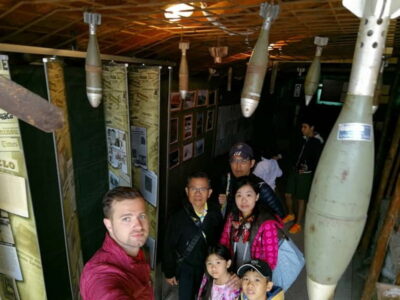
Tunnel Museum Yugoslavia War Tour with War Veteran
Read our review →
ROSES OF SARAJEVO (Official WAR + CITY tour)- Story of a Survivor
Read our review →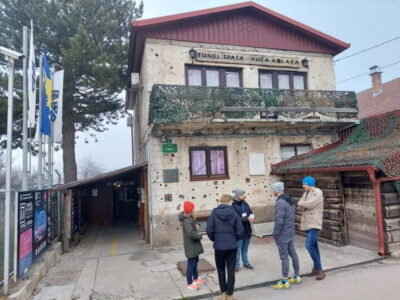
Tunnel Museum: Bosnian & Yugoslav Wars Tour with War Veteran
Read our review →
Bosnian War & Fall of Yugoslavia Tour with Tunnel
Read our review →
Sarajevo War Tour: A Veteran’s Story of the Siege (fees included)
Read our review →Browse the lists this tour appears in