
Review · HISTORICAL TOURS
HISTORY OF ISLAM IN SARAJEVO TOUR
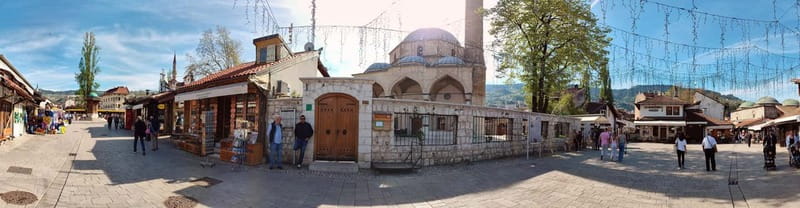
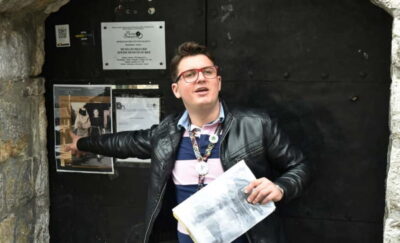
Sarajevo’s Ottoman story is written in stone. I like the way this two-hour tour links mosques, markets, schools, libraries, and old trading buildings instead of treating Islamic history as a single monument. I also like the small group limit of 20 people, the included tram ticket, and the chance to hear local context from an English-speaking guide such as Aid, who was praised for being friendly and informative.
The main drawback is the short running time. You cover many important places, but most stops last only five to 15 minutes, so this is an introduction rather than a slow architectural study. You will also want some cash in Bosnia and Herzegovina, especially for personal purchases or tips.
In This Review
- Key points to know before you book
- Why Sarajevo’s Islamic story begins with the Ottomans
- Starting at Hotel Holiday or Sarajevo City Hall
- The Emperor’s Mosque and Sarajevo’s early Ottoman chapter
- Islamic education at the Faculty and Gazi Husrev-beg Madrasa
- Morića Han and the working city behind the monuments
- Gazi Husrev-beg Mosque and the electric-lighting claim
- Clock Tower, madrasa, and library: how the city measured time and ideas
- Brusa Bezistan, Tašlihan, and the final walk through old Sarajevo
- The interfaith side of Sarajevo’s identity
- Is $23 a fair price for two hours?
- Who should take this Sarajevo tour?
- My final take: book it for context, not a long monument visit
- FAQ
- How long is the History of Islam in Sarajevo Tour?
- What time does the tour depart?
- Where can I meet the guide?
- Where does the tour finish?
- Is transportation included?
- What language is the tour conducted in?
- What is included in the price?
Key points to know before you book
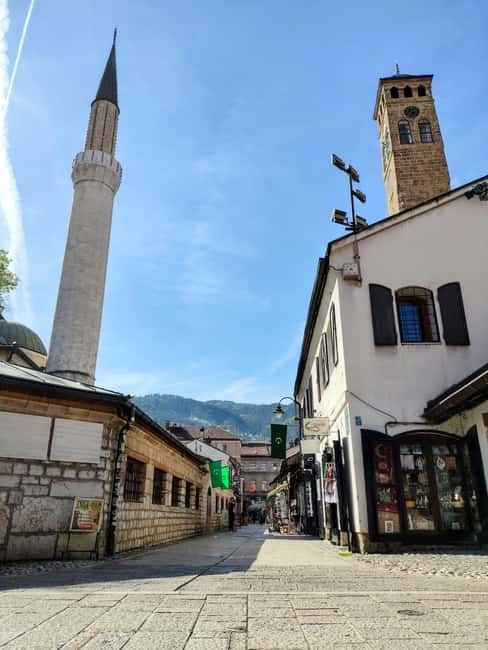
- Sarajevo’s Ottoman core in two hours: The route connects the Emperor’s Mosque, Baščaršija, Gazi Husrev-beg Mosque, Tašlihan, and several Islamic institutions.
- A useful tram ride is included: The tour begins with about 10 minutes on the tram, helping connect the modern city with its historic center.
- Gazi Husrev-beg is the central figure: His mosque, madrasa, library, bezistan, and surrounding works reveal how religion, education, trade, and public life fitted together.
- The tour includes more than mosques: You see a clock tower, han, covered market, fountain, and former caravanserai, with attention to Sarajevo’s Muslim, Christian, and Jewish communities.
- The group stays manageable: A maximum of 20 people gives the guide a better chance to answer questions, though the compact schedule still moves at a brisk pace.
- It offers solid value at $23: The guide, fresh water, and tram ticket are included, making the price reasonable for a focused first look at Sarajevo’s Ottoman heritage.
Why Sarajevo’s Islamic story begins with the Ottomans
The tour opens with the major change brought by Ottoman rule. Sultan Mehmet II, known as al Fatih, conquered Constantinople in 1453, and only ten years later entered Bosnia and Herzegovina. Ottoman authority reshaped Sarajevo’s public life, architecture, commerce, and religious identity.
Over time, Bosnia became a country with a Muslim majority. That change did not erase the city’s other faiths. Muslims, Christians, and Jews settled in Sarajevo, and the city developed a reputation as the Jerusalem of Europe. That phrase is useful, but the tour gives it real meaning by showing how different religious communities lived within the same city.
I find this background valuable because Sarajevo can otherwise look like a collection of attractive old buildings. The mosques, market streets, educational institutions, and trading spaces make more sense once you understand how Ottoman administration worked. Religion was not confined to prayer. It shaped schooling, charity, public services, commerce, and daily rhythms.
The guide also helps connect the past to the present. The call to prayer, the smell of coffee, copper goods, narrow lanes, and patterned carpets all contribute to the city’s Ottoman character. You do not need to be a student of Islamic history to enjoy this. The route gives you a clear framework for reading the old center.
More History Tours in Sarajevo
- Sarajevo Full Day Tour: History, Culture, Nature, War & Olympics
★ 5.0 · 27 reviews - Sarajevo genuine walking tour: Steps through history
★ 5.0 · 22 reviews - SARAJEVO STREET ART TOUR (art, history & mystery) – sARTajevo!
★ 5.0 · 18 reviews
Starting at Hotel Holiday or Sarajevo City Hall
There are two pickup choices: Hotel Holiday, formerly known as the Holiday Inn, or Sarajevo City Hall. The start time is listed as 2 PM, and the tour lasts about two hours. You finish at Tašlihan, in the historic center, rather than returning to the original pickup point.
That arrangement is practical. You can begin near a major central landmark and end close to Baščaršija, where you may want to continue exploring on your own. Since the tour does not return you to the starting place, plan your afternoon around the finish at Tašlihan.
The first transfer is a tram ride of about 10 minutes. Your tram ticket is included. This is not a sightseeing ride with a long commentary program, but it helps the tour move efficiently into its historic section. It also saves you from spending the opening part of the experience on a long walk.
The group can include up to 20 people. That is not an intimate private walk, but it is still small enough to keep the guide within reach. Ask questions early if a subject matters to you. With so many stops packed into two hours, the guide will need to keep the pace moving.
The Emperor’s Mosque and Sarajevo’s early Ottoman chapter
The Emperor’s Mosque is the first major stop. You receive about 15 minutes here, including a guided explanation and time for photographs. This mosque is an important starting point because it connects Sarajevo with the Ottoman imperial project and with the city’s early Muslim foundations.
The stop is short, so expect an overview rather than a full study of every architectural detail. Listen for the way the guide explains the mosque’s place in the city’s development. The value here is not just the building itself, but its role in showing how Ottoman religious life took root in Sarajevo.
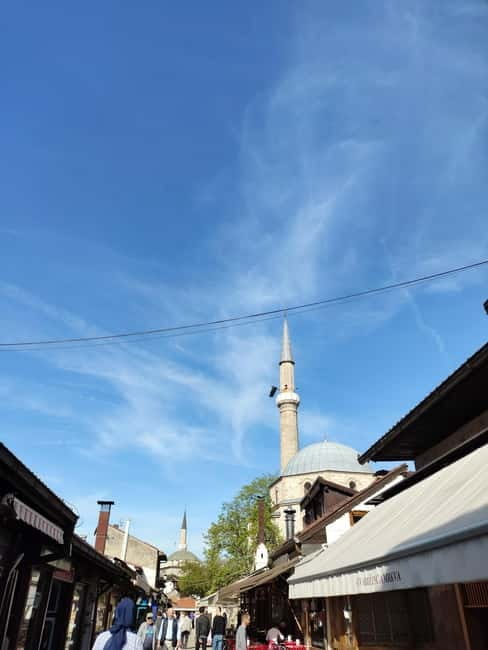
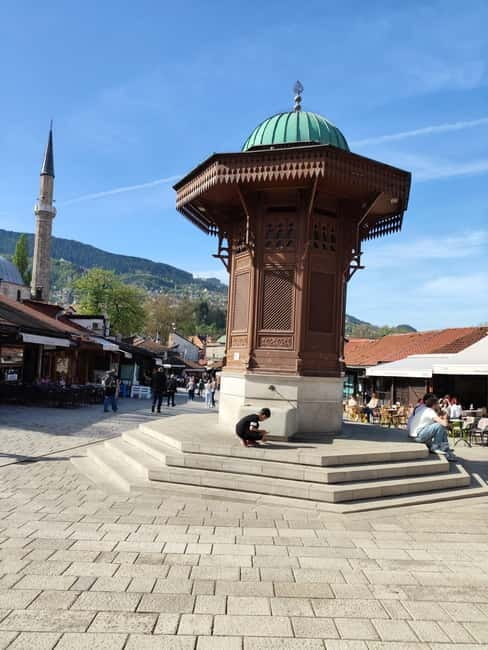
The route then moves toward Baščaršija, the old market district. This is where the city’s Ottoman character becomes especially easy to read. Narrow lanes, copper souvenirs, Persian-like carpets, coffee, and the sound of the call to prayer give the district a strong sense of place.
Baščaršija is not simply a shopping stop. It was part of a planned urban center where trade, worship, lodging, education, and public services worked together. You get about 15 minutes with the guide, enough to orient yourself and understand why this quarter remains the heart of old Sarajevo.
Islamic education at the Faculty and Gazi Husrev-beg Madrasa
The Faculty of Islamic Sciences receives a brief five-minute stop. That may sound minor, but it helps show that Islamic learning in Sarajevo is not only a medieval subject. The city’s religious institutions have an ongoing role in education and public life.
The timing means you will not tour the faculty in depth. Think of this as a signpost in the larger story. The guide can place modern Islamic scholarship beside the older institutions you see later in the route.
Gazi Husrev-beg Madrasa gets another five-minute explanation. A madrasa was an educational institution, and its presence near the mosque and library demonstrates how Ottoman civic planning joined worship with learning.
I like this part of the route because it prevents the tour from becoming a parade of façades. You see that the old city was built around institutions, not just monuments. Still, if you want detailed information about curriculum, architecture, or present-day use, you may need to ask focused questions because the schedule is tight.
Same corner of the country, a different kind of day:
- Sarajevo: Mostar, Konjic, Blagaj Tekke, Pocitelj & Waterfall
★ 4.9 · 1,666 reviews - Fall of Yugoslavia, Sarajevo War Tour with Tunnel of Hope Museum and Frontlines
★ 5.0 · 1,314 reviews - Sarajevo: Grand Walking Tour Through Time and Cultures
★ 4.8 · 1,236 reviews - Sarajevo: Mostar, Konjic, Sufi House, Pocitelj & Kravice Falls
★ 5.0 · 1,179 reviews
Morića Han and the working city behind the monuments
Morića Han is one of the most useful stops for understanding commerce. A han served as an inn and trading place for merchants, animals, and goods moving through the Ottoman world. The tour allows about five minutes here.
That is enough to explain its purpose and take in the setting, but not enough for a long architectural inspection. Morića Han adds an important practical layer to the tour. Mosques and schools tell you about faith and learning, while the han shows how people earned money, moved goods, and met one another.
This is also a good point to notice the link between Sarajevo’s religious and commercial life. A prosperous city needed places for prayer, study, trade, lodging, and public gathering. The Ottoman center supplied all of these within a compact area.
Gazi Husrev-beg Mosque and the electric-lighting claim
Gazi Husrev-beg Mosque is the tour’s main stop, with about 15 minutes for a guided visit and photographs. Gazi Husrev-beg was one of the most important Ottoman governors connected with Sarajevo, and his name appears repeatedly throughout the route.
The mosque anchors a whole group of institutions: the madrasa, library, bezistan, and other public works. Seeing them together gives you a better sense of his influence than visiting the mosque alone.
One especially unusual detail is the claim that this was the first mosque in the world to have electric lighting. That fact gives the building a link to technological change as well as religious history. It is the sort of detail that makes the tour memorable because it cuts through the usual list of dates and architectural terms.
You should check the practical conditions on the day. A mosque is an active place of worship, and the pace or access can depend on current use. The supplied information does not promise a long interior visit, so expect guided viewing and explanation rather than unlimited time inside.
This is also the point where respectful behavior matters most. Alcohol and drugs are not allowed on the tour, and you should follow the guide’s instructions at religious sites. The experience is designed to explain Islamic culture, not turn sacred spaces into photo backdrops.
Clock Tower, madrasa, and library: how the city measured time and ideas
Sarajevo Clock Tower receives about five minutes. It is a compact stop, but it adds another piece to the Ottoman town. Religious buildings organized prayer and community life, while the clock tower helped residents track the day.
The Gazi Husrev-beg Library follows with another short guided explanation. Together with the madrasa and mosque, it shows the importance placed on preserving and spreading knowledge. You may find the library more interesting if you ask how it fits into the wider educational network around the mosque.
Because these stops are brief, I would not book this tour expecting long indoor visits to every institution. The strength is the sequence. You see the clock, school, library, mosque, market, and trading buildings as parts of one system.
Brusa Bezistan, Tašlihan, and the final walk through old Sarajevo
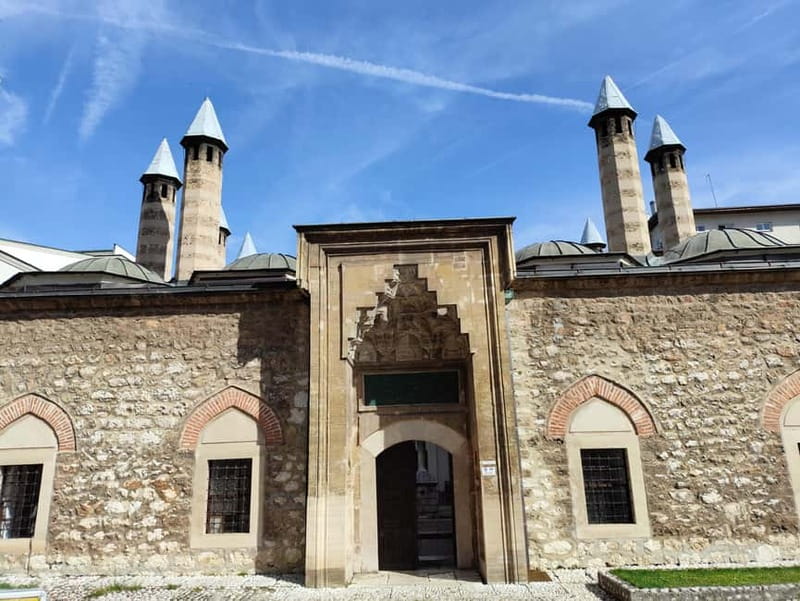
Gazi Husrev-beg’s Bezistan receives about five minutes. A bezistan is a covered market, and this stop brings you back to the commercial side of Ottoman Sarajevo. It shows how buying and selling took place in a protected, organized setting rather than only along open streets.
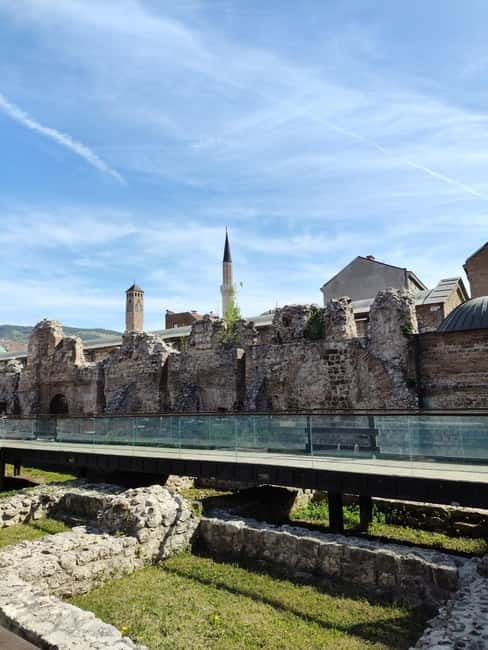
The final major stop is Tašlihan, with about 15 minutes for guided explanation and photographs. Tašlihan was an Ottoman caravanserai, a lodging and trading complex for merchants. Today, its remains help you picture the scale and activity of the old commercial center.
Ending here works well. You finish with a place that connects Sarajevo to wider trade routes and to the city’s economic success under Ottoman rule. The stop also leaves you in the historic center, close to more streets and sights you can explore independently.
The route includes Baščaršija Mosque, also known as Havadže Duraka Mosque, among its highlighted sites. Depending on the exact pacing, some places may receive a quick exterior explanation rather than a long visit. That is not a flaw if you want a broad orientation, but it matters if your main goal is detailed mosque interiors.
The interfaith side of Sarajevo’s identity
A strong feature of the experience is its attention to Sarajevo beyond Islamic monuments. The tour includes discussion of the city’s interfaith community, and the guide may point out or stop at a cathedral and synagogue as part of that wider story.
This matters because the phrase Jerusalem of Europe can become a slogan if it is not supported by real places. Seeing how Muslim, Christian, and Jewish communities fit into the city gives the phrase more substance.
The route remains focused on Islamic history, so do not expect equal time at every faith site. Still, this broader view helps you understand Sarajevo as a meeting place rather than a city defined by one tradition alone.
Aid has been praised for making the history and culture approachable. That is important on a tour covering politics, traditions, religion, and Bosnia as a whole. A good guide can keep the subject human and connected to streets you are actually walking through.
Is $23 a fair price for two hours?
At $23 per person, the tour offers good value if you want a guided introduction to Sarajevo’s Ottoman center. The fee includes the English-speaking guide, fresh water, and the tram ticket. You are paying for a clear route and interpretation, not simply transport between monuments.
The value is strongest for a first visit. In two hours, you receive context for many of the city’s major historic sights, then finish in a position to return to the places that caught your attention.
The price is less attractive if you prefer slow photography, long interior visits, or independent wandering. You may feel rushed at the five-minute stops, especially if you want to read inscriptions or study architectural details.
Tips are not included, so bring cash if you want to thank the guide. Cash is also the safer choice for purchases in Bosnia and Herzegovina, according to the practical information provided for the tour.
Free cancellation is available up to 24 hours before departure, and you can reserve while paying later. Those terms are useful if your Sarajevo plans are still shifting, though the key decision is whether a brisk, guide-led route suits your style.
Who should take this Sarajevo tour?
I would recommend it to first-time visitors who want a strong introduction to Sarajevo’s Ottoman and Islamic identity. It also suits anyone interested in how religion, education, trade, and public life developed together.
The tour is a good match for you if you want:
- A short orientation early in your Sarajevo stay
- Historical context for Baščaršija and its surrounding buildings
- An English-speaking local guide
- A route that includes both religious and commercial sites
- A small group rather than a large coach excursion
- A finish in the old center, where you can continue exploring
It may not suit you if you need a slow pace, extensive interior access, or a specialist architectural lecture. The route covers a lot of ground in two hours, and several stops are only five minutes long.
The stated suitability limit excludes people over 95 years old. No other accessibility details are provided, so you should confirm any specific mobility needs before booking.
My final take: book it for context, not a long monument visit
I would book this tour if I had two free hours in Sarajevo and wanted to understand why the old center looks and feels the way it does. The combination of the Emperor’s Mosque, Baščaršija, Gazi Husrev-beg’s institutions, Morića Han, and Tašlihan gives you a useful map of the city’s Ottoman past.
The strongest parts are the guide-led explanations, the interfaith context, and the unusual electric-lighting detail connected with Gazi Husrev-beg Mosque. Aid’s friendly and informative style also sounds like a real asset.
Choose another format if you want to linger at each mosque or spend most of your time inside historic buildings. For everyone else, $23 is a sensible price for a focused first look at Sarajevo’s Islamic heritage, especially with the tram ticket and guide included.
FAQ
How long is the History of Islam in Sarajevo Tour?
The tour lasts two hours.
What time does the tour depart?
The stated departure time is 2 PM.
Where can I meet the guide?
Pickup is available at Hotel Holiday, also known as the Holiday Inn, or Sarajevo City Hall.
Where does the tour finish?
The tour finishes at Tašlihan.
Is transportation included?
Yes. A tram ride of about 10 minutes is part of the route, and the tram ticket is included.
What language is the tour conducted in?
The live tour guide speaks English.
What is included in the price?
The price includes the tour guide, fresh water, and the tram ticket. Tips are not included.
Newest around Sarajevo
- Understanding Srebrenica Genocide + Lunch with Local Family★ 4.9 · 14 reviews
- Private Full Day Safari Tour★ 5.0 · 8 reviews
- Sarajevo: Trebević Mountain Summit Hiking Tour★ 4.2 · 2 reviews
- From Sarajevo: Kozice Waterfalls Hiking Experience in Nature★ 5.0 · 2 reviews
- Sarajevo Under Siege: A War History Tour★ 5.0 · 10 reviews
- Mysterious Visoko Pyramids Driving and Walking Tour★ 5.0 · 7 reviews
- WAR TUNNEL – Sarajevo’s only way of a communication during the WAR – Top secret★ 5.0 · 12 reviews
- Ultimate Gastro Experience★ 4.5 · 14 reviews
Historical Tours, compared.
Sarajevo Full Day Tour: History, Culture, Nature, War & Olympics
Read our review →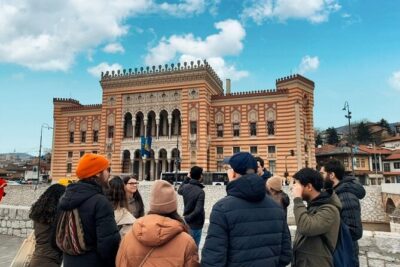
Sarajevo genuine walking tour: Steps through history
Read our review →
SARAJEVO STREET ART TOUR (art, history & mystery) – sARTajevo!
Read our review →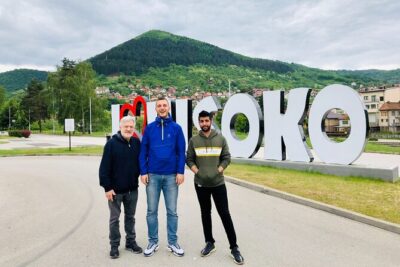
BOSNIAN PYRAMIDS TOUR (nature, history & archeology)
Read our review →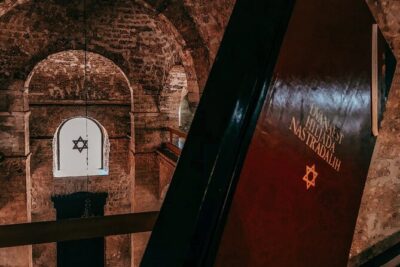
Browse the lists this tour appears in