
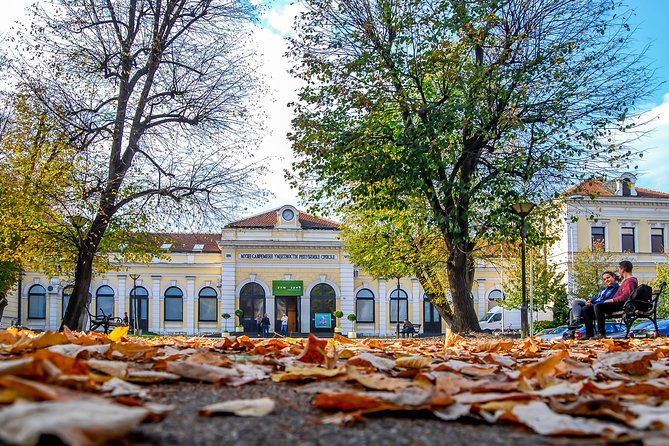
Review · WALKING TOURS
Unveiling Banja Luka’s urban soul: Walk & Enjoy
Banja Luka rewards a slow first walk. This private city tour links Kastel Fortress with Ferhadija Mosque, the local market, and the Cathedral of Christ the Saviour, giving you a useful first look at the city’s Roman, Ottoman, Austro-Hungarian, and modern layers. I like the friendly, personal format, and I like that the route focuses on central places you can understand on foot rather than rushing between far-flung sights.
The main caution is simple: this is a walking tour, not a vehicle tour. One past participant expected some driving and found the experience was entirely on foot, so bring comfortable shoes and allow for a steady two hours. The $65.06 price is per person, which can be fair for a private outing, especially if your group wants direct attention, but it is less attractive for solo visitors on a tight budget.
In This Review
- Key points about the Banja Luka walk
- Why this two-hour route works well
- Starting at Kastel Fortress beside the Vrbas
- Ferhadija Mosque and the Ottoman chapter
- Banja Luka’s market and the city’s everyday rhythm
- Cathedral of Christ the Saviour and Banja Luka after World War I
- A private walk with a personal pace
- Is $65.06 per person good value?
- Who should book this Banja Luka experience?
- Should you book the Walk & Enjoy tour?
- FAQ
- Where does the tour take place?
- How long does the tour last?
- Is the tour conducted in English?
- Is hotel pickup available?
- Is this a private tour?
- Which main sights are included?
- Are admission tickets included?
- Can I cancel for a full refund?
Key points about the Banja Luka walk
- Kastel Fortress begins the story: Spend about 30 minutes at Banja Luka’s oldest historical monument, beside the Vrbas River.
- Ferhadija Mosque adds Ottoman history: See a major 16th-century work of Islamic architecture, built in 1579.
- The market brings daily life into the tour: This is where centuries of trade connect history with ordinary local activity.
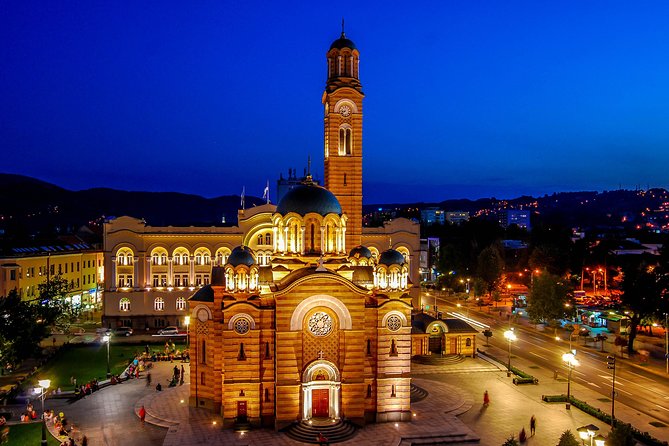
- The cathedral shows Banja Luka’s 20th-century rebuilding: The Cathedral of Christ the Saviour reflects Serbian and Byzantine architectural traditions.
- Private guiding keeps the pace flexible: Only your group takes part, with pickup available from your hotel or accommodation by arrangement.
- A local snack may extend the experience: One outing ended with ćevapi, a traditional grilled meat dish, though this should not be treated as a guaranteed part of every booking.
Why this two-hour route works well
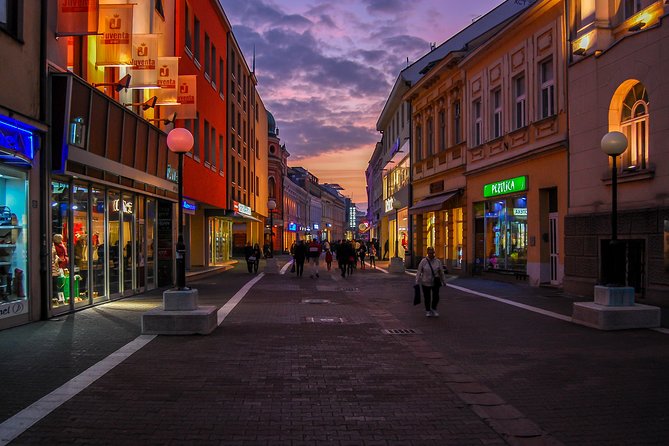
Banja Luka is easier to understand when you see its key buildings in relation to one another. A fortress, mosque, market, and Orthodox cathedral do more than fill a sightseeing checklist. Together, they introduce the city’s changing rulers, faiths, trade, and civic life.
The tour lasts about two hours, so it is best viewed as an orientation walk rather than a full historical study. You will get a guided introduction to central Banja Luka, with time to ask questions and notice details you might otherwise pass without understanding.
I especially like the private format. You are not folded into a large group with a fixed pace. If your party wants more time at the fortress, a clearer explanation of the mosque, or help getting your bearings in the center, you can ask directly.
The experience is offered in English. Pickup is available from your hotel or accommodation at an arranged time, but you need to contact the provider one day before the tour begins. Since the route is primarily on foot, confirm the meeting details early and plan your footwear accordingly.
More Walking Tours in Banja Luka:
- Discover Banja Luka: Guided Walking Tour
★ 4.9 · 9 reviews - Sarajevo: Grand Walking Tour Through Time and Cultures
★ 4.8 · 1,236 reviews - Sarajevo: 2 Hours Old Town Walking Tour With Local Guide
★ 5.0 · 505 reviews
Starting at Kastel Fortress beside the Vrbas
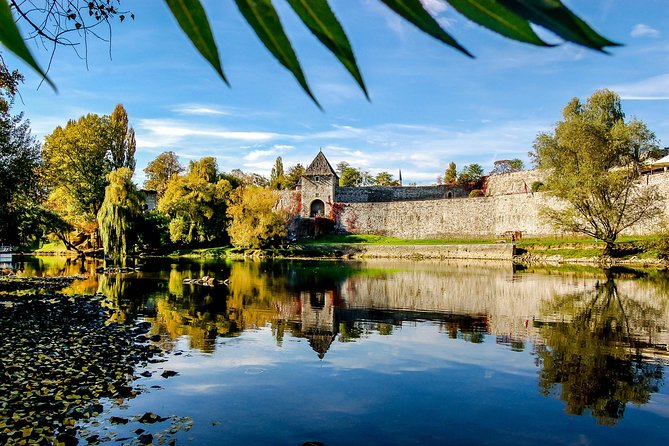
Kastel Fortress is the strongest opening point because it gives the tour a physical sense of Banja Luka’s age. The fort sits on the left bank of the Vrbas River, between today’s City Bridge and the crossing of the Crkvena River.
You receive about 30 minutes here, and admission is free. That matters because you can focus on the setting and the explanation without worrying about an entrance charge or a long ticket line.
The fortress is described as the oldest historical monument in the city. Its location beside the rivers explains why this ground mattered. Rivers offered movement, water, and a natural line of defense, while a fortified position could watch crossings and control access.
Do not expect half a day of elaborate museum displays from this stop. The value is in the remains, the riverside position, and the way a guide can explain how the site fits into Banja Luka’s development. If you enjoy ruins and old defensive structures, this will likely be the most memorable part of the route.
The 30-minute visit also sets a clear rhythm. You get enough time for an introduction and a look around, but not enough for a slow archaeological study. If fortifications are your main interest, you may wish you had longer. For a first city walk, the shorter visit keeps the route moving.
Ferhadija Mosque and the Ottoman chapter
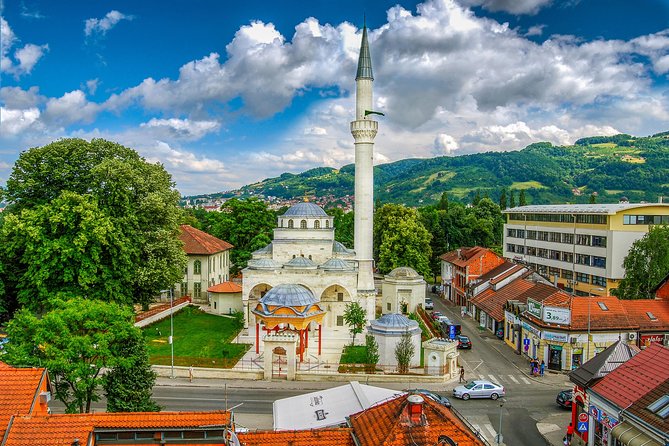
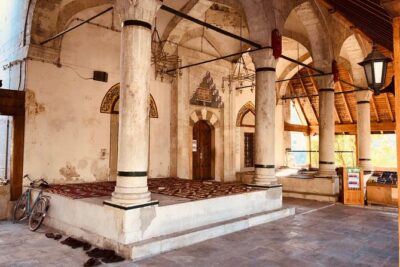
The next major stop is Ferhadija Mosque, built in 1579. It is presented as the greatest achievement of Islamic architecture in Bosnia and Herzegovina during the 16th century, making it an important stop even if you have only a short time in Banja Luka.
The mosque gives the walk a needed change of tone. After the defensive stonework of Kastel, you shift to a religious building tied to the Ottoman period and the city’s Muslim heritage. This is one reason the tour offers more than a basic orientation stroll. You are not seeing only one version of Banja Luka’s past.
The supplied schedule does not give a separate visit length for the mosque, so your exact time here may depend on the guide’s pacing and the conditions that day. Ask questions if you want more context about the building, its place in the city, or its architectural features.
You should also approach this stop with respect. It is a religious site, not just a photo backdrop. Since specific visiting rules are not provided, follow the guide’s instructions about where to stand, how to dress, and whether entry is possible at the time of your walk.
Ferhadija Mosque also helps explain why a central city route can be so useful. You can read about Ottoman influence in advance, but seeing an important building in its urban setting makes the subject more concrete.
Banja Luka’s market and the city’s everyday rhythm
The market is the most ordinary stop on the route, and that is precisely why it matters. Trade has taken place here for centuries, so this is a chance to see Banja Luka as a living city rather than a collection of historic monuments.
A guide can point out local features and help you understand what you are seeing. You may find the market less polished than a formal attraction, but it offers something the fortress and cathedral cannot: a connection to daily buying, selling, and local routines.
The market stop is also a good place to ask practical questions about food and city life. If you want to know what local products to look for or how the market fits into Banja Luka’s history, this is the natural moment to ask.
The route description does not promise tastings or a shopping allowance, so do not book this as a food tour. It is a cultural stop with a market setting. A past outing ended with ćevapi, a typical local snack, but that treat is not listed as a guaranteed feature of every tour.
I like this part because it breaks up the monuments. A tour made only of churches, mosques, and fortresses can feel like a history lecture with legs. The market gives the walk a more human pace.
Same corner of the country, a different kind of day:
- Krupa on Vrbas
★ 5.0 · 28 reviews - Banja Luka City Tour & A magical journey on Dayak boat
★ 5.0 · 14 reviews - Vrbas River Rafting Adventure with Breakfast
★ 4.0 · 5 reviews
Cathedral of Christ the Saviour and Banja Luka after World War I
The Cathedral of Christ the Saviour is the final named stop. Its earlier name was the Saint Trinity Church, and its construction was the first major architectural project in Banja Luka after World War I.
The church was built in the city center on an open space in front of the Balkan cafe, beginning in 1925. It was designed by Dušan Živanović, an architect from Belgrade, and follows Serbian and Byzantine styles.
You receive about 15 minutes here, with no admission charge. That is enough for an exterior introduction and a quick look at the building, but it is not a long architectural visit. If you want detailed information about the design, ask the guide to point out the features that show its Serbian and Byzantine influence.
This stop is valuable because it moves the story beyond the Ottoman period. The cathedral reflects the city’s later identity and its rebuilding after the upheavals of the early 20th century. Placing it after Kastel, Ferhadija Mosque, and the market gives the tour a simple but effective historical arc.
The short time allocation is the main limitation. You may leave wanting a longer look inside or a fuller account of the church’s construction. Still, as the final piece of a compact walking route, it does its job well.
A private walk with a personal pace

Only your group takes part in this activity. That gives you more control than a standard large-group city tour, even though the listed route remains fairly set.
A private guide can adjust explanations to your interests. You might want more attention on religious buildings, local history, architecture, or the city’s everyday life. You can also ask for clarification without worrying that you are slowing down a crowd.
A past outing described both the guide and driver as very kind and eager to explain the country and its people. The mention of a driver is worth handling carefully. The experience itself is described as a walking tour, and another participant specifically noted that it was only on foot rather than partly by vehicle.
Pickup is offered from your hotel or accommodation at an arranged time. That is convenient if you are unfamiliar with Banja Luka, but pickup does not change the basic nature of the experience. You will still spend the sightseeing portion walking between central stops.
The tour is listed as operating from Monday through Sunday, with hours shown from midnight to 10:00 p.m. Those broad hours do not mean you should simply arrive at any time. Arrange the pickup or meeting time in advance, and contact the provider one day before the start.
Is $65.06 per person good value?
At $65.06 per person, this is not the cheapest way to look around Banja Luka. Its value depends heavily on group size and how much you want a private English-speaking guide.
For a couple or small group, the price can make sense. You receive a private experience, hotel or accommodation pickup can be arranged, admission to the listed sights is free, and the route covers several of the city’s most useful orientation points in about two hours.
For one person, the cost feels harder to justify if you are comfortable exploring alone. You could see the central sights without paying for admission, though you would lose the guide’s explanations and the ease of having someone connect the places for you.
The strongest value comes early in a trip. Take the walk near the beginning of your stay, then use what you learn to decide where to return. The market, fortress, mosque, and cathedral can help you build a mental map of the center.
The price also buys simplicity. You do not need to work out the route yourself, arrange local transport between the sights, or guess which buildings deserve your attention. That convenience has real value, especially during a short visit.
Who should book this Banja Luka experience?
I would recommend it to first-time visitors who want a clear introduction without committing to a full-day excursion. It also suits couples, families, and small private groups who prefer asking questions at their own pace.
It is a good match if you care about history, religious architecture, and local city life in equal measure. The route does not focus on just one period, and the market keeps the experience from becoming a string of formal monuments.
You should think twice if you dislike walking or expected a vehicle-based city tour. The duration is only about two hours, but the route is on foot, and the schedule does not provide a detailed breakdown of walking distances.
It may also disappoint you if you want long interior visits, extensive museum time, or a serious architectural lecture. The fortress gets about 30 minutes and the cathedral about 15 minutes, while the mosque and market do not have fixed times in the supplied plan.
The experience is offered in English, and most people can take part. Since good weather is required, poor conditions can lead to a different date or a full refund. Free cancellation is available up to 24 hours before the start time, but changes or cancellations inside that window are not refunded.
Should you book the Walk & Enjoy tour?
Book it if you want a private, English-language introduction to Banja Luka and value a guide who can connect the fortress, mosque, market, and cathedral into one short story. The route is compact, the main admissions are free, and the personal format is its biggest strength.
Skip it if you are looking for a driving tour, a low-cost self-guided walk, or long visits inside each building. At $65.06 per person, it works best for a small group that wants convenience and conversation, not for someone who simply needs directions.
For many visitors, the smartest use is as a first-day orientation. You will see the city’s main historical anchors, learn how they relate, and still have time afterward to return to the places that catch your interest.
FAQ
Where does the tour take place?
The experience takes place in Banja Luka, Bosnia and Herzegovina.
How long does the tour last?
The tour lasts approximately two hours.
Is the tour conducted in English?
Yes. The experience is offered in English.
Is hotel pickup available?
Yes. Pickup is offered from your hotel or accommodation at an arranged time. You should contact the provider one day before the tour starts.
Is this a private tour?
Yes. Only your group participates in the activity.
Which main sights are included?
The route includes Kastel Fortress, Ferhadija Mosque, Banja Luka’s market, and the Cathedral of Christ the Saviour.
Are admission tickets included?
Admission is listed as free for Kastel Fortress and the Cathedral of Christ the Saviour. No separate admission charge is listed for the other stops.
Can I cancel for a full refund?
Yes, if you cancel at least 24 hours before the experience begins. Cancellations made less than 24 hours before the start time are not refunded. If poor weather causes the experience to be canceled, you will be offered another date or a full refund.
Newest around Banja Luka
- Vrbas River Rafting Adventure with Breakfast★ 4.0 · 5 reviews
- Rafting Trip on the Vrbas river★ 5.0 · 3 reviews
- Discover Banja Luka: Guided Walking Tour★ 4.9 · 9 reviews
- Banja Luka City Tour & A magical journey on Dayak boat★ 5.0 · 14 reviews
- Enjoying the River Vrbas★ 4.5 · 5 reviews
- Krupa on Vrbas★ 5.0 · 28 reviews
Walking Tours, compared.
Private Walking Tour, Food Tasting and Bosnian Coffee in Sarajevo
Read our review →
Browse the lists this tour appears in