
Review · SARAJEVO TOURS
Sarajevo: Franz Ferdinand Assassination & the Start of WWI
History changed here. This two-hour Sarajevo walk takes you to the exact assassination site near the Latin Bridge, then connects that gunshot to the political pressures that helped trigger World War I. I like the direct link between the streets and the story, and I like that the tour goes beyond Gavrilo Princip to explain Austro-Hungarian rule, Young Bosnia, and Sarajevo itself.
The Museum 1878-1918 adds original objects from the Austro-Hungarian period, including the car connected with Franz Ferdinand and Sophie. The main consideration is weather: much of the experience is outdoors, although guide Nadeem adjusted the route for one group caught in heavy rain.
In This Review
- Key points to know before you book
- Why this Sarajevo tour works so well
- Meeting at Zelenih beretki 30
- Walking through Austro-Hungarian Sarajevo
- The Latin Bridge and the exact spot of the shooting
- Inside the Museum 1878-1918
- How the guide handles the wider history
- What $29 gets you
- Who should take this walk
- Small practical tips for a better visit
- Should you book the Sarajevo assassination tour?
- FAQ
- How long does the tour last?
- What is the tour price?
- Where does the tour meet?
- What language is the tour offered in?
- Is a guide included?
- Is museum admission included?
- Does the tour visit the assassination site?
- What topics does the guide cover?
- Can I cancel the booking?
- Can I reserve now and pay later?
Key points to know before you book
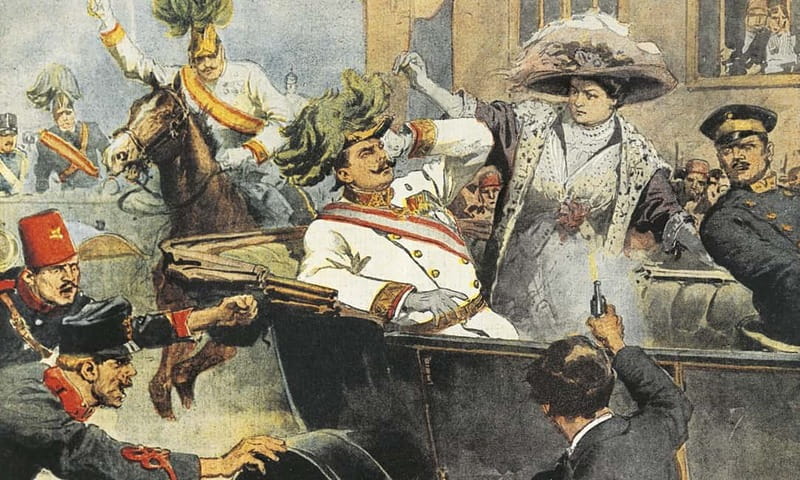
- Stand where Gavrilo Princip stood: The tour visits the precise spot near the Latin Bridge where Franz Ferdinand and Sophie were shot.
- See the Museum 1878-1918: Your admission includes the museum, with objects from Sarajevo’s Austro-Hungarian period and displays related to 1914.
- The story goes beyond one gunshot: You learn about European rivalries, the occupation of Bosnia and Herzegovina, and the Young Bosnia movement.
- Guides are the main strength: Fariz, Bojan, Dennis, Emina, Aid, Brian, Mohammed, and others are praised for clear explanations, warmth, and their ability to handle questions.
- Good value at $29: Two hours, an English-speaking guide, and museum admission make this a sensible choice for history-minded visitors.
- Plan for a walking tour: The route includes outdoor city streets and key Austro-Hungarian landmarks, so comfortable shoes and weather-ready clothing make sense.
Why this Sarajevo tour works so well
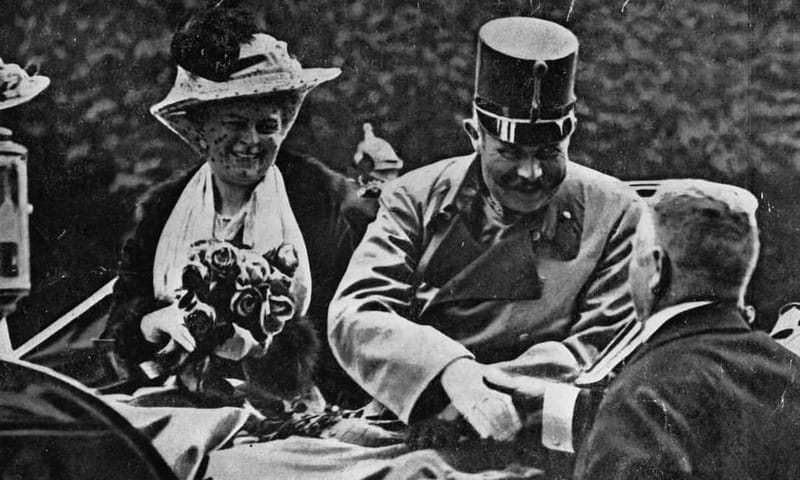
Many history tours give you dates, names, and a quick photograph stop. This one has a stronger hook because the setting is still part of ordinary Sarajevo. You walk through the city, hear how the streets looked and functioned during Austro-Hungarian rule, and then arrive at the place where Franz Ferdinand’s motorcade came to a halt.
That physical connection matters. The assassination is often taught as a neat chain of events: Princip fires, Austria-Hungary issues an ultimatum, alliances activate, and Europe goes to war. In Sarajevo, the story feels less tidy. The guide can show you the setting while explaining nationalism, imperial control, political frustration, and the competing interests of European powers.
I especially like the way this tour treats the assassination as the beginning of a much larger discussion. You are not simply told that Princip killed the archduke. You learn about his motives, the Young Bosnia movement, and why some young Bosnians opposed Austro-Hungarian rule.
The experience also gives Sarajevo a place in the story beyond its role as a backdrop. The city’s changing identity, its Ottoman foundations, and its Austro-Hungarian buildings help explain why this was a tense political meeting point in 1914.
Other Sarajevo trips worth an open tab:
- Sarajevo: Mostar, Konjic, Blagaj Tekke, Pocitelj & Waterfall
★ 4.9 · 1,666 reviews - Fall of Yugoslavia, Sarajevo War Tour with Tunnel of Hope Museum and Frontlines
★ 5.0 · 1,314 reviews - Sarajevo: Grand Walking Tour Through Time and Cultures
★ 4.8 · 1,236 reviews
Meeting at Zelenih beretki 30
The tour begins at the Sarajevo Insider office at Zelenih beretki 30, in central Sarajevo. That arrangement is useful because you have a clear indoor meeting point before heading onto the streets.
Your guide leads the walk in English. There is no stated group-size limit in the available information, so I would not assume a private tour or a tiny group when booking. The experience lasts two hours, which is long enough to build a proper story without taking over your entire day.
The guides are a major part of the value. Fariz receives especially strong praise for explaining World War I and the assassination with the depth of a university lecturer while keeping the mood friendly. Bojan is also praised for his understanding of Sarajevo, Bosnian culture, and the wider Balkans. Other guides, including Aid, Dennis, Emina, Brian, Mohammed, and Nadeem, are described as friendly, clear, and willing to answer questions.
You should know that the exact guide is not guaranteed in the information provided. That said, the repeated pattern is encouraging: the guide is not treated as someone simply reciting a script. The strongest experiences seem to come from asking questions and allowing the guide to add context about Sarajevo.
Walking through Austro-Hungarian Sarajevo
Before reaching the assassination site, the tour explores key landmarks connected with Sarajevo during Austro-Hungarian rule. The purpose is not just to admire buildings. You are shown how the empire changed the city and how those changes affected local politics.
The Austro-Hungarian occupation of Bosnia and Herzegovina forms a vital part of the story. Without that background, Princip can appear as a lone extremist whose actions somehow caused a continental war. With it, you get a clearer picture of the frustration, nationalism, and power struggles surrounding the event.
The tour also places Sarajevo within the political climate of Europe before 1914. You learn about the pressures building between states and empires, then see how a local act of violence became the excuse for a much larger confrontation.
This is where the walking format earns its keep. A museum can show you documents and objects, but the streets explain how the event unfolded in real space. You can better understand the route, the setting, and why the assassination site has such force when you are standing there rather than viewing it only on a map.
The route is described as an easy walk, though it is still worth wearing comfortable shoes. You may spend part of the tour outside in sun, cold, or rain. In heavy rain, the guide may need to shorten the outdoor portion or adapt the route. Nadeem is specifically praised for changing the plan when bad weather made walking difficult.
The Latin Bridge and the exact spot of the shooting
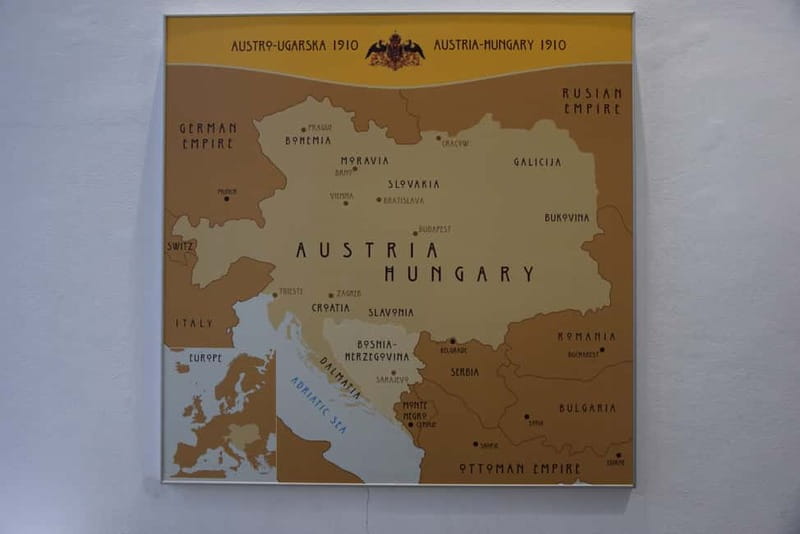
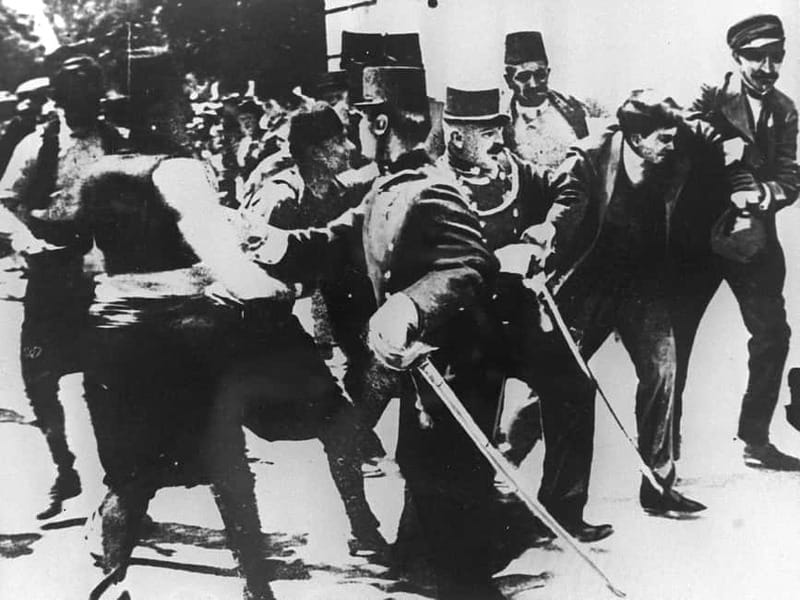
The emotional center of the tour is the area near the Latin Bridge. This is where Franz Ferdinand and his wife, Sophie, were assassinated on June 28, 1914. The tour takes you to the exact location associated with Gavrilo Princip.
The site itself is not a theatrical attraction. It is part of the living city, which makes the moment feel more immediate. Cars, pedestrians, and everyday Sarajevo continue around you. Your guide supplies the drama through explanation rather than spectacle.
You hear how Princip and the Young Bosnia movement fit into the political tensions of the period. The guide also explains the assassination’s effect on Austria-Hungary and the chain of decisions that followed.
A good guide will help you keep two ideas in view at once. The assassination was a local event carried out by a young nationalist, but the war that followed was not caused by that one shot alone. Europe already had rival alliances, imperial competition, militarism, and unresolved national questions.
That balance is one of the tour’s best features. It avoids turning history into a simple legend about a single bullet changing the world. The bullet mattered, but the conditions around it mattered too.
For history fans, this is the moment that makes the $29 price feel reasonable. You are not merely seeing a plaque or taking a quick picture. You are given the setting, the people, and the political background needed to understand why this location has such importance.
Same corner of the country, a different kind of day:
- Sarajevo: Mostar, Konjic, Sufi House, Pocitelj & Kravice Falls
★ 5.0 · 1,179 reviews - Sarajevo: Tunnel Museum Yugoslavia War Tour with War Veteran
★ 5.0 · 1,111 reviews - ROSES OF SARAJEVO (Official WAR + CITY tour)- Story of a Survivor
★ 5.0 · 770 reviews - Sarajevo: Tunnel of Hope Tour – Survival and Resilience
★ 4.8 · 630 reviews
Inside the Museum 1878-1918
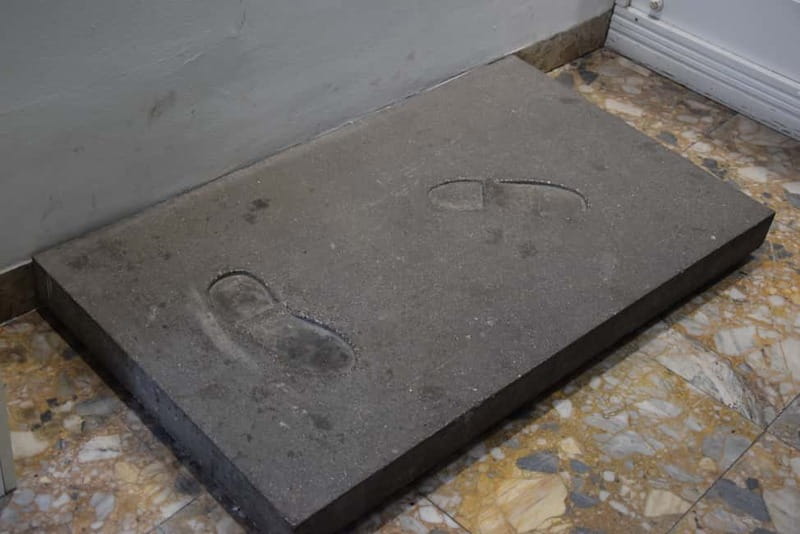
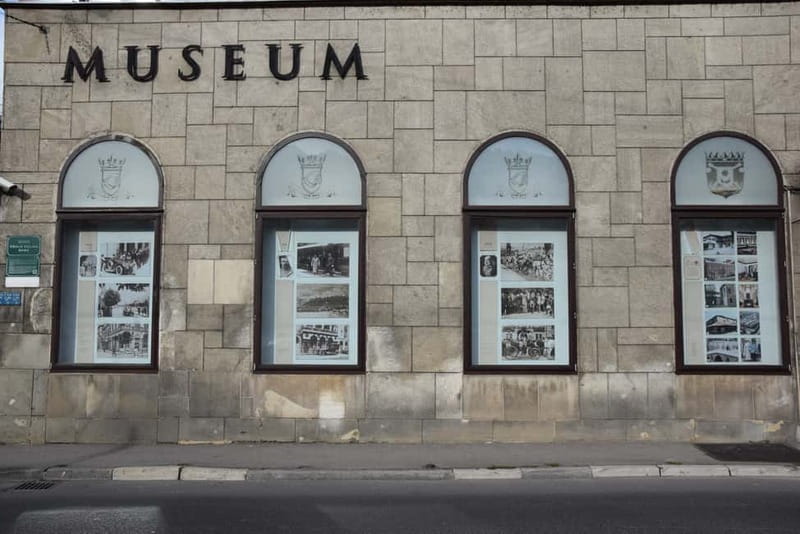
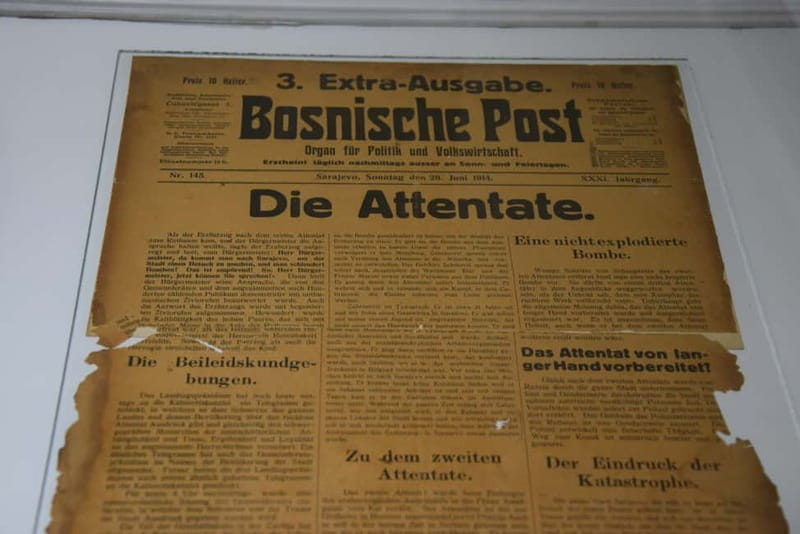
Admission to the Museum 1878-1918, also described as the Museum of the Austro-Hungarian Period, is included. The museum contains original items from the Austro-Hungarian era and adds a useful indoor finish to the walking route.
The museum helps turn the guide’s spoken account into something tangible. Objects from the period can make the political changes feel less abstract, especially after you have walked through the streets where those changes took place.
The displays focus on Sarajevo and the years from Austro-Hungarian rule through the assassination period. You can expect the museum visit to reinforce the story rather than replace the walking portion.
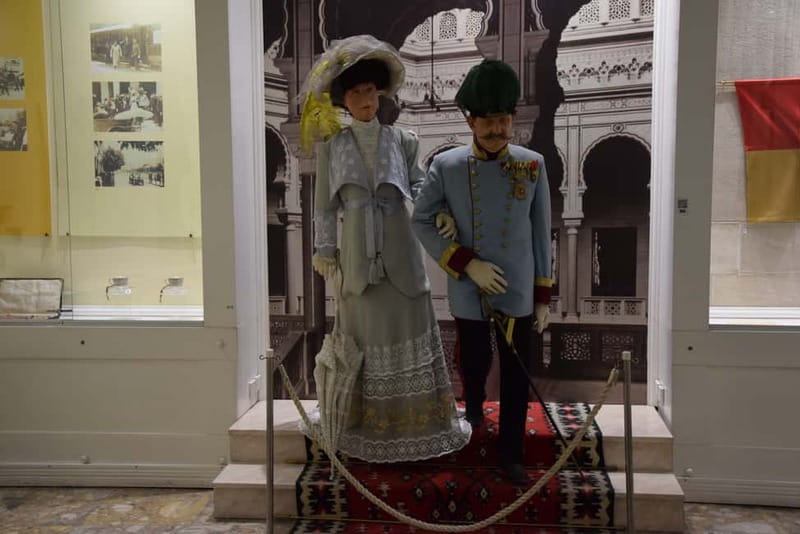
One especially memorable detail comes from the reported experience of seeing the actual car connected with Franz Ferdinand and Sophie. The museum also offers a virtual reality experience, which one visitor described as a strong addition. The supplied information does not state that the virtual reality activity is included in the tour price, so check locally if that is important to you.
The museum is also helpful if the weather turns poor. Still, the tour is not designed as a museum-only visit. If you want a long, room-by-room museum session, two hours shared between the city walk and museum may feel short. If you want the museum to complete the story, the timing is well judged.
How the guide handles the wider history
The biggest difference between a basic sightseeing walk and this experience is the amount of context you can gain from the guide. You learn about Gavrilo Princip, but you also hear about Sarajevo’s history, Bosnian society, the Austro-Hungarian period, and the causes of World War I.
Guides are praised for answering questions rather than rushing through a fixed speech. That is important here because the subject raises difficult issues. You may want to ask about Princip’s motives, the Young Bosnia movement, Austria-Hungary’s rule, or the way later generations remembered the assassination.
The best reports describe guides who add information about other parts of Sarajevo along the way. Aid is praised for combining the assassination story with the history of the city. Mohammed is credited with starting with broader Sarajevo history before reaching the infamous event. This approach makes sense because the assassination is easier to understand once you know something about the city around it.
Bojan is praised for explaining the culture and social background of Bosnia and the Balkans. Dennis is described as enthusiastic about Sarajevo’s history and landmarks. Emina is praised for being both friendly and well informed. These details suggest a tour with a human voice, not a dry lecture.
The tone also seems flexible. Some guides bring in extra sights and recommendations, while others focus tightly on World War I. If you have a particular interest, ask questions early. A good question can turn a standard two-hour walk into a much more personal lesson.
What $29 gets you
At $29 per person, this is a fair price for a two-hour guided walk with museum admission. You are paying for an English-speaking professional guide, access to a major museum connected with the topic, and interpretation at the exact assassination location.
The value is strongest if you care about history or want more than a quick photo at the Latin Bridge. A self-guided visit would show you the place, but it would not necessarily explain the Young Bosnia movement, Austro-Hungarian rule, or the political conditions that allowed a local assassination to set off a wider crisis.
The price is also reasonable for a first introduction to Sarajevo. The tour covers the main World War I story while adding information about the city. Several guides are praised for sharing extra facts and locations beyond the assassination itself, which gives you more than the narrow title might suggest.
The main limit is duration. Two hours cannot provide a full course on the Balkans, the Habsburg Empire, and World War I. You will receive a focused introduction, not a complete academic treatment. If you already know the political history in detail, you may want a more specialized experience.
The option to reserve now and pay later is useful if your Sarajevo plans are still changing. Free cancellation is available up to 24 hours before the tour for a full refund. Starting times depend on availability, so check the schedule that fits your day.
Who should take this walk
I would recommend it first to history fans, especially anyone interested in World War I, European empires, nationalism, or the Balkans. The chance to stand at the assassination site gives the subject a strong sense of place.
It also suits visitors who want a compact introduction to Sarajevo. You get city history, Austro-Hungarian landmarks, the Latin Bridge area, and a museum in one two-hour experience.
Casual sightseers can enjoy it too, provided they are willing to listen to political and historical explanation. You do not need prior knowledge, and the guides are praised for making the subject understandable.
Families with older children and teenagers may find the tour useful, though the subject includes assassination and war. The experience is educational rather than entertainment-focused.
I would be less likely to recommend it if you dislike walking, want a purely architectural tour, or prefer a long museum visit with plenty of time for independent viewing. The main subject is serious, and the outdoor portion means weather can affect the day.
Small practical tips for a better visit
Meet at the Sarajevo Insider office at Zelenih beretki 30. Arrive ready to begin on foot, since the experience is built around moving through central Sarajevo and visiting connected sites.
Wear shoes suitable for city walking. Bring clothing for changing weather, especially in colder months. A December visitor described the experience in freezing conditions, while another group needed a route adjustment during heavy rain.
If you have strong interest in World War I, prepare a few questions. Guides such as Fariz are praised for handling detailed questions, and the tour seems to benefit from conversation.
Allow a little time after the tour if you want to reflect at the museum or explore nearby streets. The two-hour schedule is focused, and the story can leave you wanting to read more about Princip, Sophie, and the diplomatic crisis that followed.
Should you book the Sarajevo assassination tour?
Book it if you want the assassination of Franz Ferdinand explained in the place where it happened, with enough background to understand why the event mattered. The exact site near the Latin Bridge, the Museum 1878-1918, and the strong record of warm, informed guides make this one of the better short history experiences in Sarajevo.
The $29 cost is good value for a two-hour English-language walk with museum admission. Just remember that the route is partly outdoors, the guide may vary, and the experience gives you a focused introduction rather than an exhaustive study of World War I.
If you are curious about Sarajevo’s Austro-Hungarian past or want to see how a city can hold a major world event in its everyday streets, I would book it. If rain is forecast, keep your plans flexible and bring proper clothing. The story is powerful in any weather, but you will get more from the walk when you can comfortably follow it.
FAQ
How long does the tour last?
The tour lasts two hours.
What is the tour price?
The price is $29 per person.
Where does the tour meet?
The meeting point is the Sarajevo Insider office at Zelenih beretki 30, Sarajevo 71000.
What language is the tour offered in?
The live tour is offered in English.
Is a guide included?
Yes. A professional English-speaking guide is included.
Is museum admission included?
Yes. The entrance fee to the Museum of the Austro-Hungarian Period, also referred to as the Museum 1878-1918, is included.
Does the tour visit the assassination site?
Yes. You visit the exact location near the Latin Bridge where Franz Ferdinand and Sophie were assassinated.
What topics does the guide cover?
The tour covers the political climate before World War I, Gavrilo Princip, the Young Bosnia movement, Austro-Hungarian rule in Bosnia and Herzegovina, the assassination, and its effect on European history.
Can I cancel the booking?
Yes. You can cancel up to 24 hours in advance for a full refund.
Can I reserve now and pay later?
Yes. The booking option allows you to reserve your place and pay later.
Newest around Sarajevo
- Understanding Srebrenica Genocide + Lunch with Local Family★ 4.9 · 14 reviews
- Private Full Day Safari Tour★ 5.0 · 8 reviews
- Sarajevo: Trebević Mountain Summit Hiking Tour★ 4.2 · 2 reviews
- From Sarajevo: Kozice Waterfalls Hiking Experience in Nature★ 5.0 · 2 reviews
- Sarajevo Under Siege: A War History Tour★ 5.0 · 10 reviews
- Mysterious Visoko Pyramids Driving and Walking Tour★ 5.0 · 7 reviews
- WAR TUNNEL – Sarajevo’s only way of a communication during the WAR – Top secret★ 5.0 · 12 reviews
- Ultimate Gastro Experience★ 4.5 · 14 reviews
Sarajevo Tours, compared.
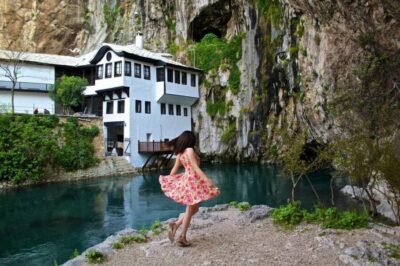
Mostar, Konjic, Blagaj Tekke, Pocitelj & Waterfall
Read our review →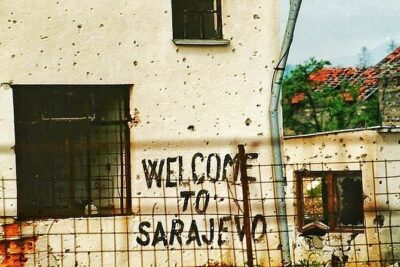
Fall of Yugoslavia, Sarajevo War Tour with Tunnel of Hope Museum and Frontlines
Read our review →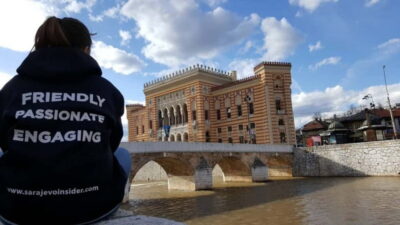
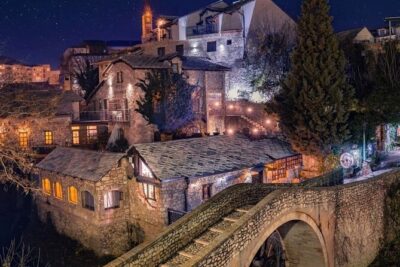
Mostar, Konjic, Sufi House, Pocitelj & Kravice Falls
Read our review →
Tunnel Museum Yugoslavia War Tour with War Veteran
Read our review →
ROSES OF SARAJEVO (Official WAR + CITY tour)- Story of a Survivor
Read our review →
Tunnel Museum: Bosnian & Yugoslav Wars Tour with War Veteran
Read our review →Browse the lists this tour appears in