
Review · SARAJEVO TOURS
Sarajevo: 1984 Winter Olympics Site & Vrelo Bosne Day Trip
Olympic memories meet mountain air here. This three-hour outing gives you two things I especially like: a clear introduction to Sarajevo’s 1984 Winter Olympics and an easy way to reach mountain viewpoints outside the city. The small group, limited to eight people, also gives the guide room to answer questions instead of delivering a speech from the front of a crowded bus.
I also like the included hotel pickup and drop-off, which saves time and removes the hassle of arranging transport between scattered sights. The main consideration is the short duration. You see several places, but some visits are brief, and anyone wanting long walks or a detailed museum experience may find the schedule tight.
In This Review
- Key points before you book
- Why Sarajevo’s 1984 Olympics still matter
- Bjelašnica: the first mountain perspective
- Igman and the Olympic mountain story
- Forty minutes for the Spring of the River Bosnia
- Sarajevo’s Olympic buildings in the city
- Trebević Vidikovac and the final view
- What the three-hour schedule really means
- The guide makes the difference
- Is $76 a fair price?
- What to bring and who should skip it
- Booking flexibility and practical planning
- Should you book this Sarajevo tour?
- FAQ
- How long does the Sarajevo Olympic mountains tour last?
- What locations are included?
- Is hotel pickup included?
- What language is the tour offered in?
- How many people are in the group?
- Are food and drinks included?
- Are cable car rides included?
- What should I bring?
- Is the tour suitable for wheelchair users?
Key points before you book
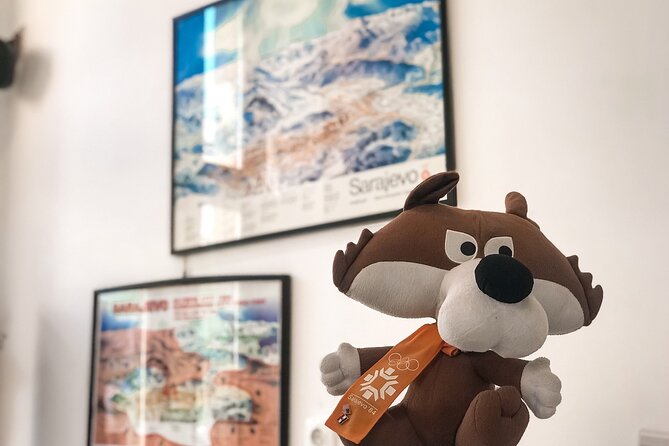
- Sarajevo’s 1984 Olympic story: Visit important venues and mountain sites connected with the XIV Winter Olympic Games.
- Three mountain areas: See Bjelašnica, Igman, and Trebević, each offering a different setting and view.
- Vrelo Bosne nature stop: Spend free time near the Spring of the River Bosnia in a peaceful park setting.
- Small-group format: With no more than eight participants, the outing feels more personal and flexible.
- Strong guide feedback: Muamer, Ismet, Agar, and Egan are praised for warmth, clear explanations, and thoughtful answers.
- Bring warm layers: Mountain conditions can feel cooler than central Sarajevo, even when the city is mild.
Why Sarajevo’s 1984 Olympics still matter
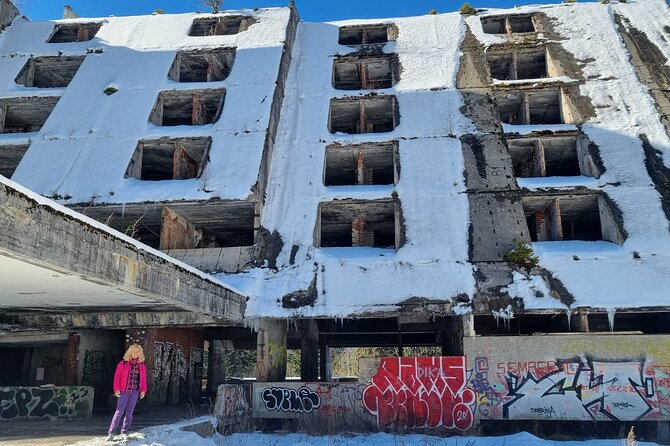
Sarajevo hosted the XIV Winter Olympic Games in 1984, a major moment for the city and for Yugoslavia. The event placed Sarajevo on the international winter-sports map and brought new attention to its surrounding mountains.
This tour helps you connect the city’s Olympic venues with the mountain locations where events took place. That connection is important. You are not simply looking at a sports hall, then driving to a scenic overlook with no link between them. The guide explains how the venues and mountains fitted into the Games, giving the day a useful sense of place.
I like tours that add context to scenery. A mountain view is pleasant on its own, but it becomes more memorable when you understand why that slope, road, or venue mattered. The local guide is central to that experience. Guide feedback repeatedly praises the warm, well-informed approach, with Muamer, Ismet, Agar, and Egan all singled out for their friendliness and strong command of the subject.
The guide can also shape the pace to your interests. One especially useful detail from the feedback is that extra time for photographs or questions was possible when the schedule allowed. That does not mean every stop can be extended without limit, but it suggests a more responsive experience than a strict point-to-point transfer.
A few more Sarajevo days worth comparing
- Visit Herzegovina from Sarajevo in one day
★ 5.0 · 80 reviews - Sarajevo: Day Trip to Bosnian Castles Vranduk, Tešanj & Srebrenik
★ 5.0 · 21 reviews - Sarajevo: 1984 Winter Olympics Site & Vrelo Bosne Day Trip
★ 5.0 · 14 reviews
Bjelašnica: the first mountain perspective
The first major mountain stop is Bjelašnica, where you have about 30 minutes for a photo stop, sightseeing, and views along the way. This is one of the better places to begin because it moves you quickly from urban Sarajevo into the high mountain setting tied to the Olympics.
You should expect a scenic stop rather than a long mountain walk. The value is in the change of atmosphere and the chance to take in the broad views. Bring a jacket even in warmer months. The supplied advice specifically recommends warm clothing, and mountain air can be cool compared with the city.
Thirty minutes is enough for photographs and a short look around, but it is not enough for an extended hike. If you are choosing this trip for serious walking, keep your expectations modest. It is a sightseeing tour by vehicle with short visits, not a hiking day.
Igman and the Olympic mountain story
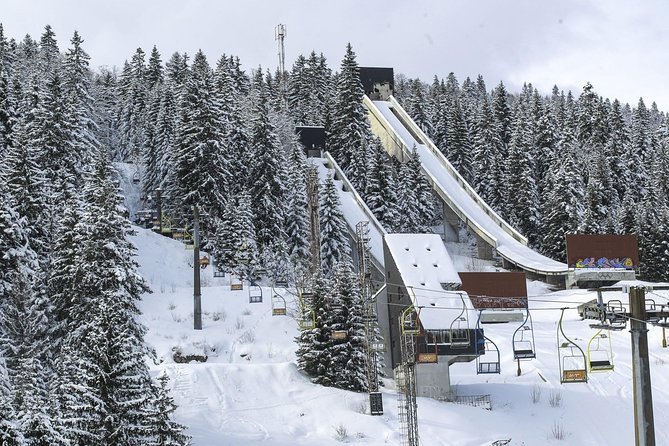
The tour continues to Igman for about 20 minutes. Here, the guide provides a visit and explanation connected with the Olympic setting, while the drive itself adds more mountain scenery.
This stop is short, so listen closely when the guide explains what you are seeing. You may not have time to wander far before the group moves on. That compact timing is a drawback for anyone who wants to photograph every angle, but it works well for visitors who want a broad introduction to the Olympic mountains without spending a full day away from Sarajevo.
I would pay attention to the guide’s stories here rather than treating Igman as just another viewpoint. The strongest part of this experience is the combination of location and explanation. Without the local account, the mountain can look like a pleasant stop. With it, you gain a better sense of how Sarajevo’s winter sports setting was used during the Games.
Forty minutes for the Spring of the River Bosnia
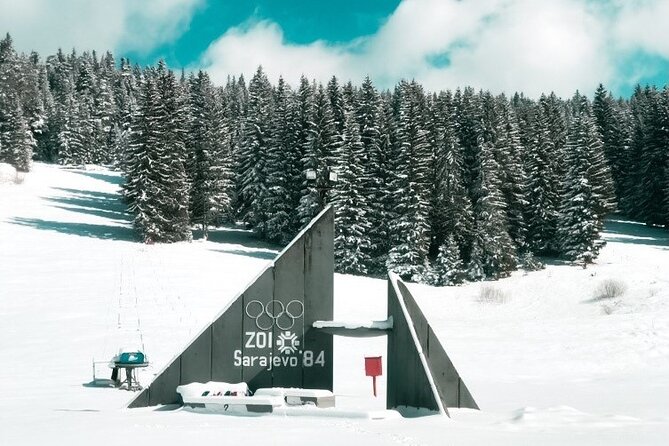
A 40-minute break provides the most relaxed pause of the day. The route includes the Spring of the River Bosnia, located in a nature park, and this is where the outing shifts from Olympic history to natural scenery and quiet time.
You have free time here, so this is a good chance to slow down, take photographs, have a snack, and enjoy the surroundings without a constant stream of historical details. The tour does not include food or drinks, so bring water and something small to eat.
The free time also helps balance the short Olympic stops. After several brief visits and scenic drives, you get a chance to breathe and look around at your own pace. The exact activities available onsite may depend on the conditions and local arrangements, but cable car rides or horse-and-carriage rides can be purchased separately if offered during your visit.
Do not treat these optional costs as part of the $76 price. They are extras, and you should budget for them only if you want to add them. The tour itself includes the guide and transport from your hotel, not food, drinks, cable car rides, or horse-and-carriage rides.
Same corner of the country, a different kind of day:
- Sarajevo: Mostar, Konjic, Blagaj Tekke, Pocitelj & Waterfall
★ 4.9 · 1,666 reviews - Fall of Yugoslavia, Sarajevo War Tour with Tunnel of Hope Museum and Frontlines
★ 5.0 · 1,314 reviews - Sarajevo: Grand Walking Tour Through Time and Cultures
★ 4.8 · 1,236 reviews - Sarajevo: Mostar, Konjic, Sufi House, Pocitelj & Kravice Falls
★ 5.0 · 1,179 reviews
Sarajevo’s Olympic buildings in the city
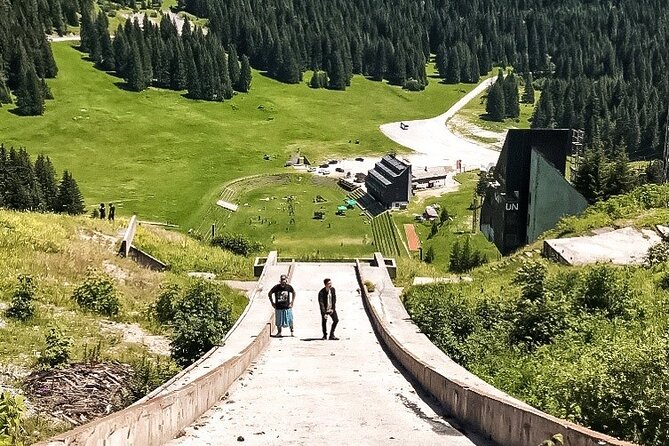
Back in Sarajevo, the route passes the Juan Antonio Samaranch Olympic Hall, also known as Olympic Hall Zetra. You have about 10 minutes for a guided visit or pass-by, so this is mainly a quick look rather than a full indoor tour.
The hall matters because it brings the Olympic story back into the city. The mountains show where the events took place, while Zetra reminds you that Sarajevo’s Olympic identity was also built through urban venues and public spaces.
The short timing is worth noting. If you have a strong interest in architecture, sports venues, or the later story of Sarajevo’s buildings, you may want to see more on your own. During this tour, the hall is one part of a wider route rather than the main attraction.
The Hase Olympic Stadium receives another brief sightseeing stop of about 10 minutes. Like Zetra, it gives you a direct link to the 1984 Games and helps fill in the city portion of the story. The guide’s explanation is likely to be more useful than the length of the stop itself, so keep questions ready.
Trebević Vidikovac and the final view
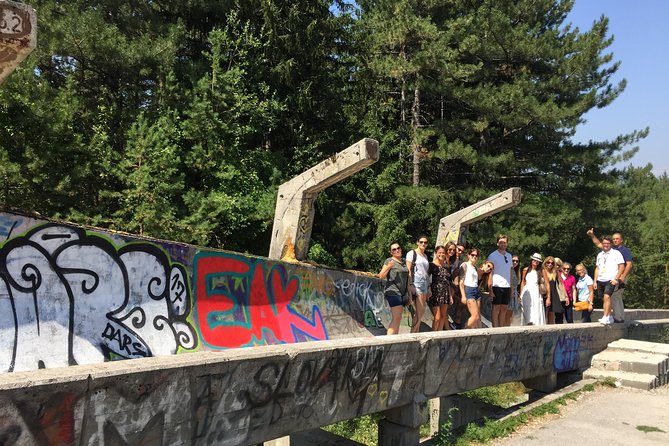
The final major stop is Trebević Vidikovac, with about 40 minutes for a visit, sightseeing, photographs, and a walk. This is the most generous viewing stop on the route and a good place to finish because it gives you time to enjoy the mountain outlook rather than simply step out, take one picture, and return to the vehicle.
You can walk a little, take in the views, and ask the guide about the Olympic sites and Sarajevo’s surrounding mountains. The stop is not described as a long hike, so comfortable clothes and shoes are still sensible, but you should not book the tour expecting a demanding trek.
Trebević also gives the outing a strong visual ending. You have moved from Sarajevo’s urban venues to Bjelašnica and Igman, spent time near the river spring, then returned to a mountain viewpoint. The result is a compact look at how closely the city and its surrounding mountains are connected.
What the three-hour schedule really means
The advertised duration is three hours, including pickup, driving, sightseeing, and return to Sarajevo. The listed stops add up to roughly 150 minutes, before allowing for transfers, so the time at each place is carefully limited.
That is not necessarily a problem. I would see this as an orientation tour. It is designed to show you the main Olympic and natural highlights in one short outing, not to provide a full day at every location.
The schedule suits you if you have only a few days in Sarajevo, want an introduction before exploring independently, or prefer not to organize mountain transport yourself. It is less suitable if you want long photo sessions, extended hikes, or detailed time inside each Olympic venue.
The small-group limit of eight makes the timing more workable. A guide can answer a question, adjust slightly for interest, and keep the group moving without the delays common on large coach outings. Still, a small group does not change the basic fact that this is a brisk route.
The guide makes the difference
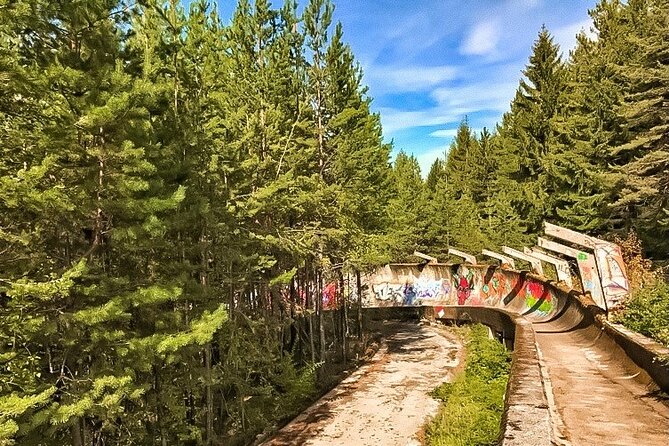
The strongest praise is directed at the guides. Muamer is described as a lovely and highly informed host, while Ismet receives similar praise for an excellent Olympic history tour. Agar is remembered for enthusiasm and for taking the time to make the experience memorable, and Egan is praised for friendliness, insight, and an enjoyable manner.
Those details matter because the tour’s appeal depends heavily on interpretation. Several stops are short and may not offer much without explanation. A guide who can answer detailed questions and connect the venues with the Games adds real value.
One useful point is the reported flexibility. A guest who wanted to spend longer taking photographs was able to do so without difficulty. I would not assume unlimited flexibility, especially if traffic or group preferences affect the schedule, but the small format should make reasonable requests easier.
The tour is offered in English with a live guide. If you care about the Olympic story, ask questions as you go. The guide’s knowledge is one of the main reasons to choose this organized outing rather than simply hiring transport to the viewpoints.
Is $76 a fair price?
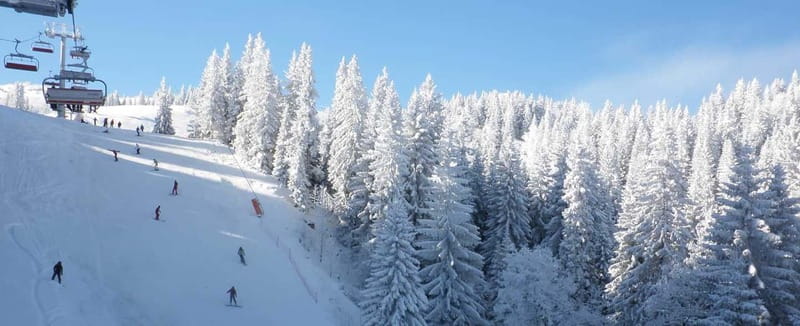
At $76 per person, the price is not the cheapest way to see Sarajevo’s outskirts. It becomes easier to justify when you count what is included: hotel pickup, hotel drop-off, a live English-speaking guide, and transport between several locations that are spread around the city and mountains.
You are paying for convenience and interpretation as much as for the vehicle. Organizing the same route independently would require working out transport, timing, and directions, then finding reliable background on the Olympic sites. If you are comfortable arranging all of that yourself, the tour may feel expensive.
For a short visit to Sarajevo, the value is better. You can cover Bjelašnica, Igman, Trebević, the Olympic Hall, the stadium, and the Spring of the River Bosnia in one compact outing. The small group also gives the price more weight than a basic large-bus transfer.
The extra costs are clear. Food and drinks are not included, and cable car rides or horse-and-carriage rides must be purchased onsite. Bring your own snacks and water so the optional activities do not turn into an unplanned expense.
What to bring and who should skip it
Pack warm clothing, water, snacks, and comfortable clothes. The advice to bring warm layers is especially important because the route reaches mountain areas, where conditions may differ from Sarajevo’s city center.
This trip suits:
- First-time visitors who want Olympic and mountain context
- People with only a short window for sightseeing
- Visitors who prefer hotel pickup and a guided route
- Photographers who want several viewpoints without a long hike
- Anyone interested in Sarajevo’s 1984 Winter Olympics
- Small groups and solo visitors who enjoy asking questions
It may not suit you if you use a wheelchair, since the activity is not suitable for wheelchair users. It is also a weaker choice for anyone seeking a full-day mountain adventure, extended walking, or lengthy indoor visits.
The route has a useful mix of history and nature, but neither side receives a full day. You get a taste of each. That is the point, and it is also the main limitation.
Booking flexibility and practical planning
You can cancel up to 24 hours before the tour for a full refund. The reserve-now, pay-later option allows you to keep plans flexible and pay nothing at the time of booking.
Pickup is included, but the exact pickup time and location are provided at least a day before the tour. Keep an eye out for that information and be ready at the stated hotel pickup point.
Starting times depend on availability. Since the tour lasts three hours, it can fit neatly into a morning or afternoon plan, but leave some breathing room around it. Mountain roads, pickup arrangements, and the number of stops mean you should avoid scheduling an important appointment immediately afterward.
Should you book this Sarajevo tour?
Book it if you want a short, well-organized introduction to Sarajevo’s Olympic mountains and city venues, especially if you value a strong local guide. The combination of hotel transport, a group of no more than eight, and several distinct stops gives you a lot of coverage in three hours.
I would be especially happy choosing it early in a Sarajevo visit. It gives you names, places, and context that can improve the rest of your time in the city. The scenery near Bjelašnica, Igman, Trebević, and the Spring of the River Bosnia also offers a welcome break from urban sightseeing.
Skip it if you want long walks, a full museum visit, or complete control over how long you spend at every stop. At $76, the tour earns its price through convenience and guiding rather than through a long duration.
For most visitors with limited time, it is a sensible half-day-style introduction compressed into three hours. Pack a warm layer, bring water, and ask questions. The guide is likely to be the part that turns a series of viewpoints and buildings into a story you remember.
FAQ
How long does the Sarajevo Olympic mountains tour last?
The tour lasts three hours, including the sightseeing route and return to Sarajevo.
What locations are included?
The route includes Bjelašnica, Igman, the Spring of the River Bosnia in a nature park, the Juan Antonio Samaranch Olympic Hall, Hase Olympic Stadium, and Trebević Vidikovac.
Is hotel pickup included?
Yes. Hotel pickup and drop-off in Sarajevo are included. The pickup time and location are provided at least a day before the tour.
What language is the tour offered in?
The live guided tour is offered in English.
How many people are in the group?
The tour is limited to eight participants.
Are food and drinks included?
No. Food and drinks are not included, so you should bring water and snacks.
Are cable car rides included?
No. Cable car rides and horse-and-carriage rides are optional extras that can be purchased onsite.
What should I bring?
Bring warm clothing, snacks, water, and comfortable clothes.
Is the tour suitable for wheelchair users?
No. The activity is not suitable for wheelchair users.
Newest around Sarajevo
- Understanding Srebrenica Genocide + Lunch with Local Family★ 4.9 · 14 reviews
- Private Full Day Safari Tour★ 5.0 · 8 reviews
- Sarajevo: Trebević Mountain Summit Hiking Tour★ 4.2 · 2 reviews
- From Sarajevo: Kozice Waterfalls Hiking Experience in Nature★ 5.0 · 2 reviews
- Sarajevo Under Siege: A War History Tour★ 5.0 · 10 reviews
- WAR TUNNEL – Sarajevo’s only way of a communication during the WAR – Top secret★ 5.0 · 12 reviews
- Mysterious Visoko Pyramids Driving and Walking Tour★ 5.0 · 7 reviews
- Ultimate Gastro Experience★ 4.5 · 14 reviews
Sarajevo Tours, compared.
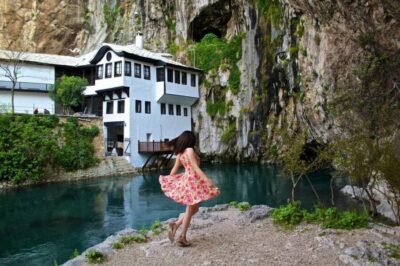
Mostar, Konjic, Blagaj Tekke, Pocitelj & Waterfall
Read our review →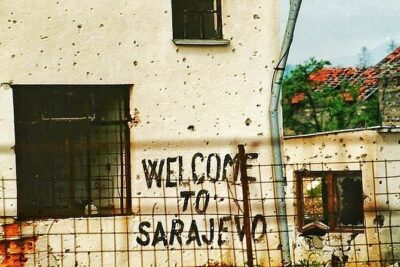
Fall of Yugoslavia, Sarajevo War Tour with Tunnel of Hope Museum and Frontlines
Read our review →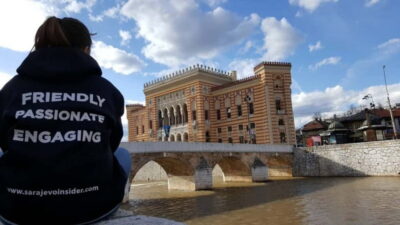
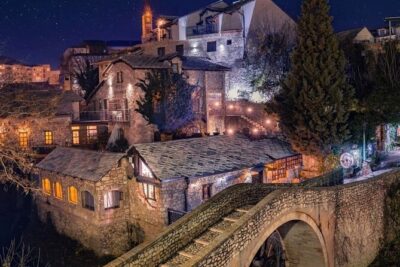
Mostar, Konjic, Sufi House, Pocitelj & Kravice Falls
Read our review →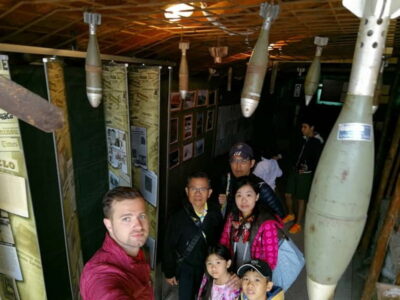
Tunnel Museum Yugoslavia War Tour with War Veteran
Read our review →
ROSES OF SARAJEVO (Official WAR + CITY tour)- Story of a Survivor
Read our review →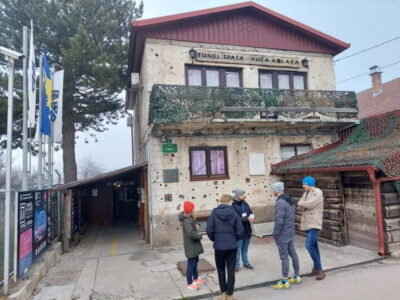
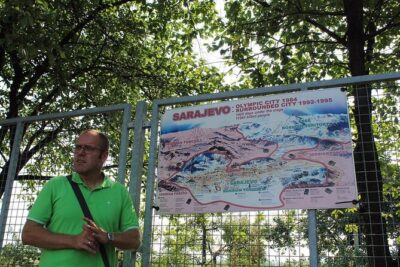
Tunnel Museum: Bosnian & Yugoslav Wars Tour with War Veteran
Read our review →Browse the lists this tour appears in