
Review · CITY TOURS
From Sarajevo: Tito’s Bunker & Konjic City Tour
Cold War secrets wait beneath the hills. This five-hour trip pairs Tito’s Bunker, a vast nuclear shelter built for Yugoslavia’s leaders, with an easy visit to Konjic on the Neretva River. I like the contrast: one stop is sealed, technical, and underground, while the other is a pleasant town with a famous stone bridge. I also like the small group size, limited to six people, which gives you room to ask questions.
The main drawback is the extra 20 euro bunker entrance fee, which is not included in the $70 tour price. The bunker is also cold in summer, and the tour is more about guided history and unusual architecture than grand scenery or a long independent visit. Bring a light jacket and expect a focused half-day outing rather than a slow-paced day trip.
In This Review
- Key points to know before you go
- Why this unusual half-day trip works
- The Sarajevo pickup and small-group ride
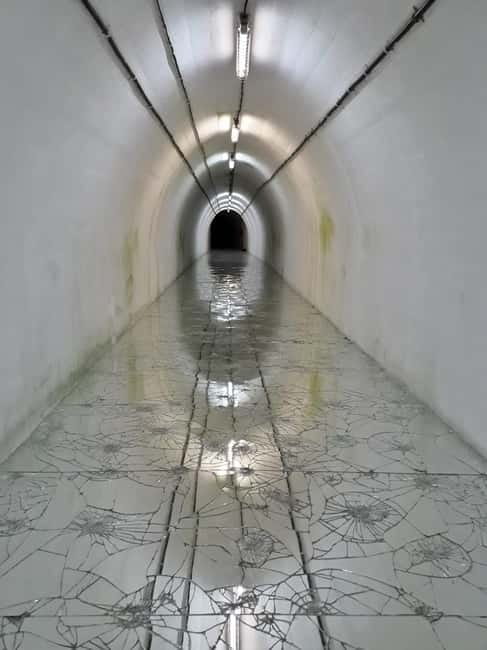
- Entering the 6,500-square-meter bunker
- What the Cold War setting tells you
- Art beneath the mountain
- Konjic and the Old Bridge over the Neretva
- What the $70 price really covers
- Who will enjoy this tour most
- Practical tips for a smoother visit
- Should you book Tito’s Bunker and Konjic?
- FAQ
- Where does the tour begin and end?
- How long does the tour last?
- What language is the tour conducted in?
- How large is the group?
- Is transportation included?
- Is the bunker entrance fee included?
- What else is not included?
- Can I take photographs inside the bunker?
- Can I record video inside the bunker?
- Should I bring warm clothing?
- Is the tour wheelchair accessible?
- Can I cancel the tour for a refund?
Key points to know before you go
- A 6,500-square-meter nuclear shelter: Tito’s Bunker took 26 years to build, from 1953 to 1979, at a reported cost of $4.6 billion.
- A practical five-hour escape from Sarajevo: Hotel pickup, air-conditioned transport, the bunker visit, Konjic sightseeing, and hotel drop-off fit into one compact trip.
- An art space inside a military facility: The bunker now hosts an international art exhibition, adding a modern layer to the Cold War setting.
- A small group of no more than six: This is useful in narrow corridors and makes it easier to speak with the guide.
- A stop at Konjic’s Old Bridge: You get time for sightseeing, coffee, lunch, and your own wandering in the town center.
- Strong guide and driver service: Senad, Mohammed, and Yasmin have each been praised for friendly service, clear explanations, safe driving, and helpful cultural context.
Why this unusual half-day trip works
Sarajevo has plenty of Ottoman, Austro-Hungarian, and wartime sights. Tito’s Bunker gives you a different key to Bosnia and Herzegovina: the secretive military world of socialist Yugoslavia. You are not simply looking at an old building. You are walking through a facility designed to keep political and military leaders alive after a nuclear attack.
That idea gives the visit its punch. The bunker was built for Josip Broz Tito and his closest associates, along with senior army generals. It was intended to protect the country’s leadership during a catastrophe, and its size shows how seriously Yugoslavia prepared for that possibility.
I find the experience most useful if you enjoy places that explain how governments work behind closed doors. The bunker is not polished like a traditional museum. Its appeal comes from the working systems, plain rooms, heavy engineering, and strange sense of secrecy.
The trip also avoids becoming a single-subject excursion. After the bunker, you move into central Konjic, where the pace changes. You can see the Old Bridge, sit down for lunch or coffee, and spend a little time beside the Neretva before returning to Sarajevo.
More City Tours in Sarajevo
- ROSES OF SARAJEVO (Official WAR + CITY tour)- Story of a Survivor
★ 5.0 · 770 reviews - Sarajevo: Guided City Highlights Tour with Sarajevo Tunnel
★ 4.8 · 79 reviews - Sarajevo: Sarajevo City Market, Old Town Food Tasting Tour
★ 4.9 · 69 reviews
The Sarajevo pickup and small-group ride
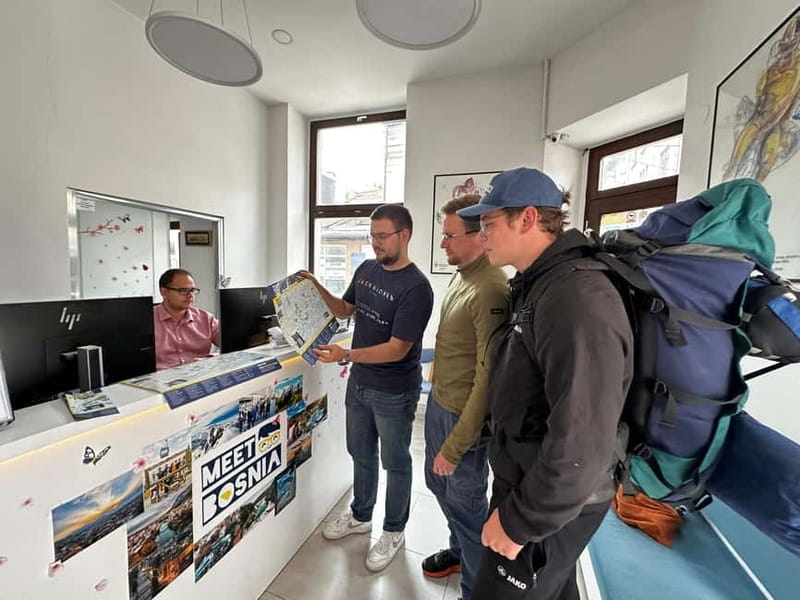
The tour begins with pickup at your Sarajevo hotel. Transportation is provided in an air-conditioned vehicle, and the group is limited to six participants. That small capacity matters here. A large coach would make the bunker visit less personal and could feel awkward in its enclosed passages.
The ride also gives you a chance to ask about Bosnia and Herzegovina beyond the formal stops. Yasmin was praised for driving safely through heavy snow while explaining cultural details along the way. Mohammed was described as punctual, friendly, and easy to talk with. Senad was also praised for answering questions about the tour and the places encountered on the route.
Those details matter because the drive is part of the experience. You are not being dropped at a site with no context. A good local guide can help connect the bunker to Yugoslavia’s political structure, the breakup of the country, and the role of Bosnia within that story.
The exact starting times depend on availability, so check before booking. Since the total duration is five hours, this is easy to fit around a morning or evening in Sarajevo, but you should not expect a full day of wandering.
Entering the 6,500-square-meter bunker
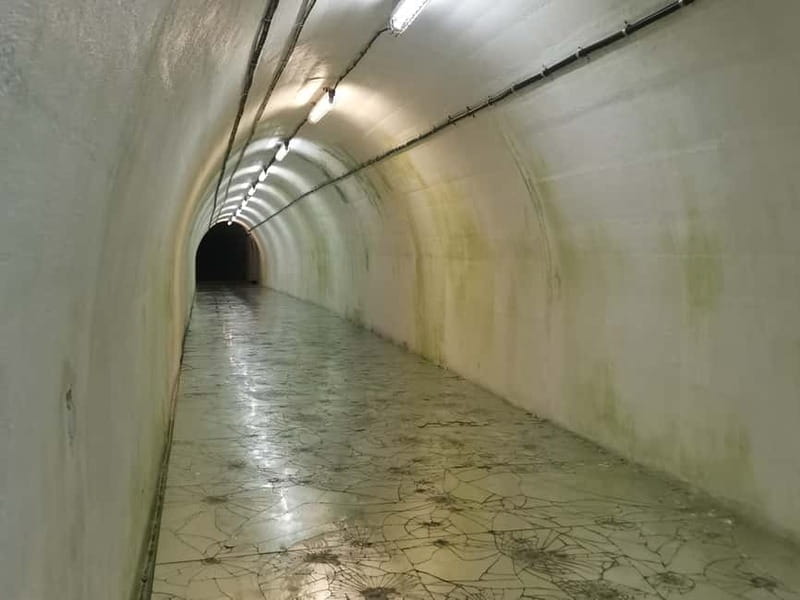
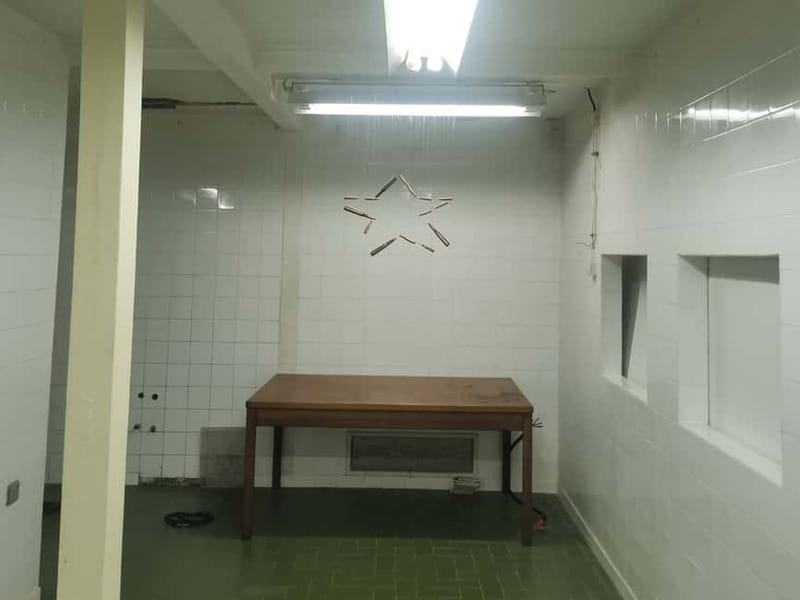
The bunker, also known as the Ark, is the main reason to book this outing. Construction lasted from 1953 to 1979, a span of 26 years. The project cost an astonishing $4.6 billion, making it one of the most expensive structures in former Yugoslavia.
Those numbers become more meaningful once you are inside. The bunker was designed as a self-contained shelter for the communist leadership and army command. Its air-conditioning system, power generator, toilets, and water systems remain part of the story. The water cistern is filled with fresh water, according to the tour information.
I would pay attention to the practical details rather than expecting a dramatic underground spectacle. The value is in seeing how a state tried to plan for survival: where people would work, how essential services would function, and how a complex could continue operating away from the surface.
The guide leads the bunker visit in English. You can take photographs of the bunker and the exhibition, but you cannot record video. You are also not allowed to photograph or record the bunker guide. Follow that rule carefully, since it is part of respecting the site and its operating conditions.
Bring a light jacket even if Sarajevo is hot. The bunker is cold during summer, and the temperature is one of those small details that can affect your comfort for the entire visit. Comfortable shoes are also sensible for walking through a large underground facility, although the supplied information specifically confirms wheelchair accessibility.
What the Cold War setting tells you
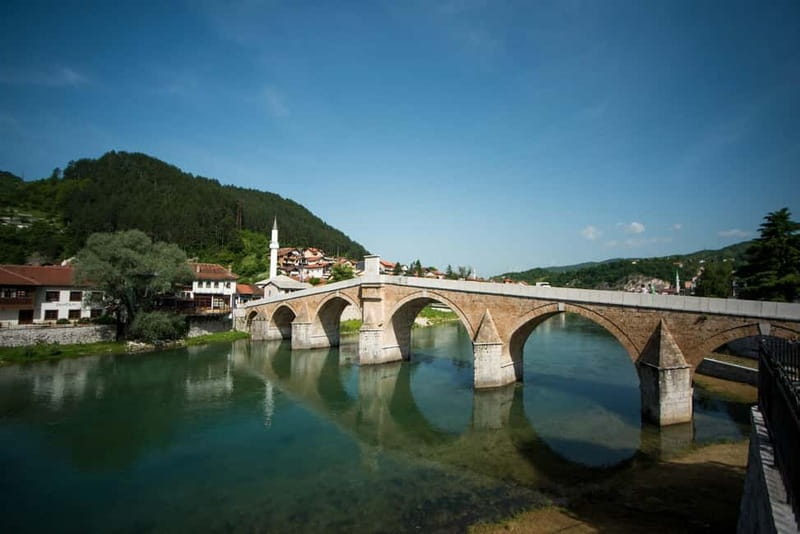
The bunker’s story reaches a turning point in March 1992, during the breakup of Yugoslavia. The Yugoslav People’s Army ordered the facility demolished, but the military detachment stationed there refused to carry out the order. Instead, the structure was surrendered to the Bosnian government.
That decision helped preserve a place that might otherwise have disappeared. You can now see the bunker as both a military relic and a record of a political system that no longer exists.
I like this part of the visit because it gives the building a second life. It is not frozen only in the Tito era. Its survival through the breakup of Yugoslavia is part of what makes it important to Bosnia and Herzegovina today.
The bunker can also raise difficult questions. Billions were spent on an underground refuge while ordinary citizens lived under a very different set of conditions. The tour does not turn the site into a simple story of clever engineering. Its scale also shows the fear, secrecy, and political power behind the project.
Same corner of the country, a different kind of day:
- Sarajevo: Mostar, Konjic, Blagaj Tekke, Pocitelj & Waterfall
★ 4.9 · 1,666 reviews - Fall of Yugoslavia, Sarajevo War Tour with Tunnel of Hope Museum and Frontlines
★ 5.0 · 1,314 reviews - Sarajevo: Grand Walking Tour Through Time and Cultures
★ 4.8 · 1,236 reviews - Sarajevo: Mostar, Konjic, Sufi House, Pocitelj & Kravice Falls
★ 5.0 · 1,179 reviews
Art beneath the mountain
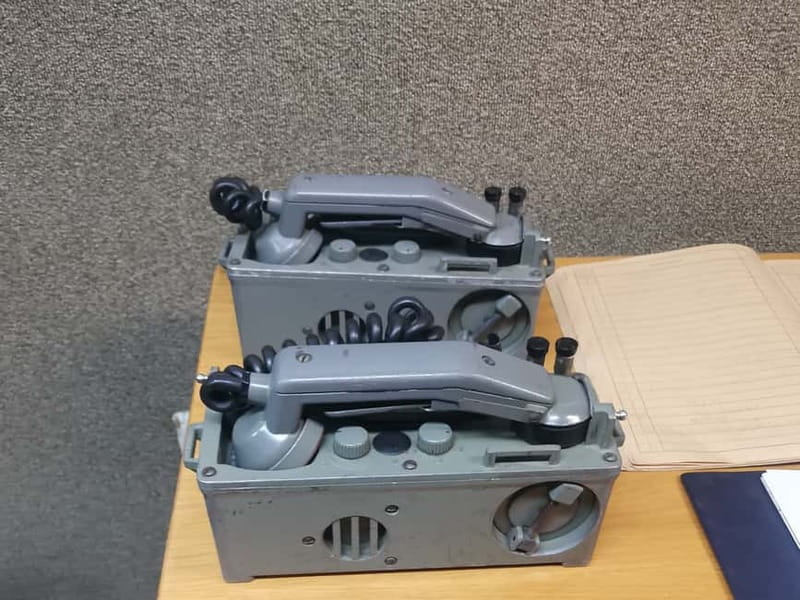
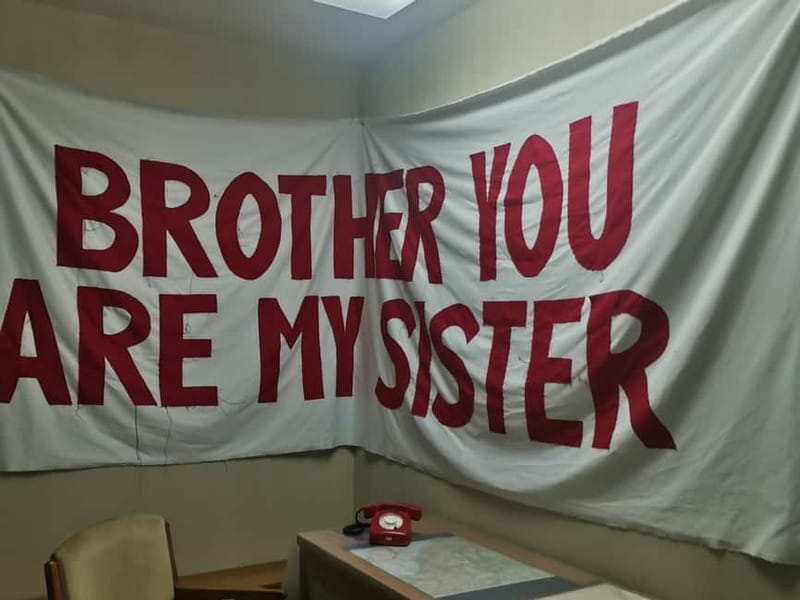
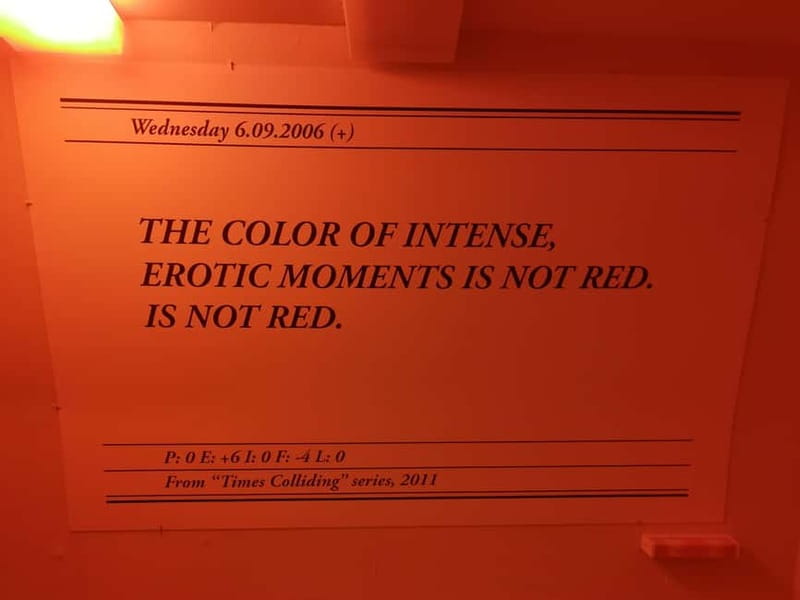
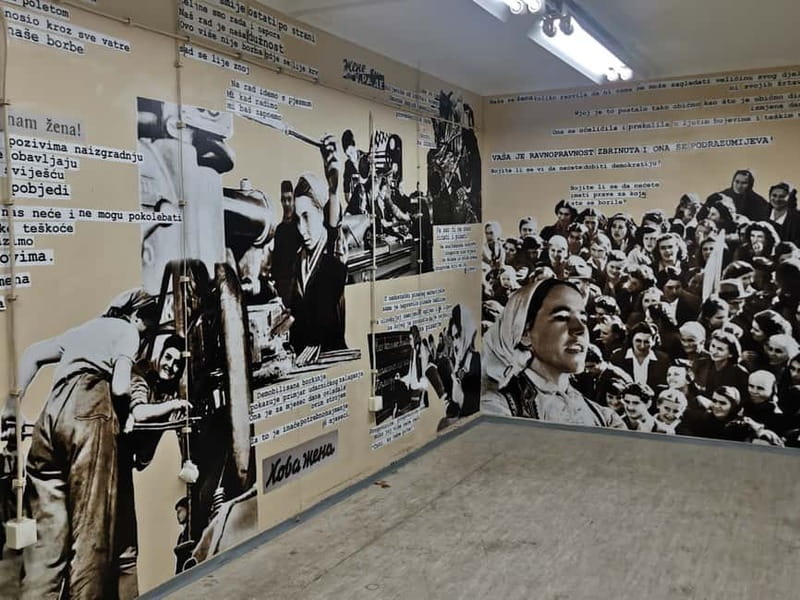
Tito’s Bunker now serves as a meeting place for artists from Bosnia and Herzegovina, Europe, and other parts of the world. The art exhibition changes the feel of the visit. You are not only viewing old military rooms. You are also seeing contemporary work inside spaces built for secrecy and control.
That contrast is the exhibition’s strength. Art in a former nuclear shelter can make the rooms feel less like a preserved military machine and more like a place still being interpreted. The works may be among the most memorable parts of the visit, especially if you have already seen plenty of conventional museums in Sarajevo.
The exhibition also gives nonmilitary-minded visitors a reason to enjoy the bunker. You do not need to understand every technical detail to appreciate the strange setting. At the same time, anyone expecting a large, conventional gallery should adjust expectations. The art is presented within the bunker, not in a purpose-built museum.
Photography of the bunker and exhibition is allowed. Video recording is not. Again, you may not photograph or record the guide.
Konjic and the Old Bridge over the Neretva
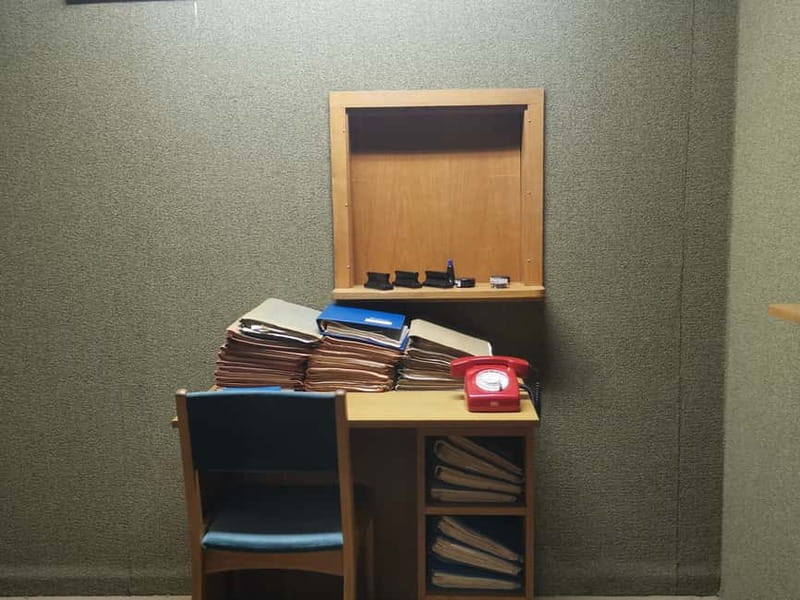
After the bunker, the tour continues to Konjic city center. The town sits on the banks of the Neretva River, and its best-known landmark is the Old Bridge.
The bridge has connected the two sides of the river for centuries. Its setting gives the second half of the outing a more open and relaxed feel after the enclosed bunker. You can look at the bridge, walk through the center, and take in the river before choosing lunch or coffee.
The schedule allows time for your own activities, lunch, and coffee by request. That flexibility is useful, but do not confuse it with a long independent city tour. The complete trip lasts five hours, and the bunker is the main event.
Konjic works well as a companion stop because it adds a local town to a highly controlled military site. You get a little architecture, a river view, and a chance to sit down. If you are hungry after the bunker, arrange lunch with the guide rather than assuming the schedule will include a long restaurant break.
What the $70 price really covers
The listed price is $70 per person. The 20 euro entrance fee to Tito’s Bunker is extra, and food, drinks, and private expenses are also your responsibility.
That makes the true cost higher than the headline price, so include the entrance fee when comparing options. Still, the package covers several useful services: a licensed English-speaking guide, air-conditioned transportation, hotel pickup, and hotel drop-off.
For me, the value rests on convenience and access. You do not have to arrange transport from Sarajevo, find the bunker on your own, or work out how to combine it with Konjic. The small group also gives you a more personal format than a large bus excursion.
The price is less attractive if you want only a quick look at Konjic or if you are comfortable arranging transport independently. It becomes more reasonable if you want the bunker explained properly and prefer a local guide who can add cultural context during the drive.
The transport has received a perfect score from all recorded ratings for that part of the service. The overall rating is 4.9 from 23 ratings, and the most consistent praise centers on friendly guides, punctual service, clear explanations, and safe driving. Senad, Mohammed, and Yasmin are names worth noting if you want to ask about guide availability.
Who will enjoy this tour most
I would recommend this trip to you if you enjoy Cold War sites, military history, political history, unusual buildings, or contemporary art in unexpected places. It is also a good choice if you want to leave Sarajevo for a few hours without committing to a full-day journey.
The tour suits people who value explanation over free time. You spend much of the outing with a guide, and the bunker is best understood through its purpose, systems, and political background.
It may be less suitable if you dislike enclosed spaces, feel cold easily, or want a relaxed day centered on cafés and scenic walks. The bunker is the focus, and Konjic is a shorter second stop.
Families can consider it, but the subject is serious and the underground setting may not hold the attention of young children. The tour is wheelchair accessible, which is useful for visitors who need that feature, though you should confirm any personal mobility requirements when booking.
Practical tips for a smoother visit
- Bring a light jacket in every season. The bunker is cold in summer.
- Budget for the separate 20 euro entrance fee.
- Keep your camera available for the bunker and exhibition, but do not record video.
- Do not photograph or record the guide inside the bunker.
- Ask about lunch or coffee in Konjic if you want a proper break.
- Use the drive to ask about Bosnia, Yugoslavia, and local culture.
- Check the available starting time before you plan the rest of your day.
- Take advantage of the small group by asking questions rather than staying at the back of the pack.
The cancellation policy is flexible: you can cancel up to 24 hours ahead for a full refund. You can also reserve now and pay later, which helps if your Sarajevo plans are still shifting.
Should you book Tito’s Bunker and Konjic?
Book it if you want an unusual, well-explained look at former Yugoslavia and like the idea of pairing a secret nuclear shelter with a riverside town. The bunker is the memorable centerpiece, while Konjic gives you a calmer setting and a chance for coffee or lunch.
Skip it if your priority is a long day outdoors, a detailed independent visit to Konjic, or a tour with no added entrance cost. For most history-minded visitors, though, the combination works well. You get a small group, hotel transport, an English-speaking guide, a remarkable underground structure, and a clear look at a chapter of Yugoslav history that is hard to understand from Sarajevo’s city streets alone.
FAQ
Where does the tour begin and end?
The tour includes pickup from your hotel in Sarajevo and drop-off back at your hotel in Sarajevo.
How long does the tour last?
The total duration is five hours.
What language is the tour conducted in?
The live tour guide speaks English.
How large is the group?
The tour is limited to six participants.
Is transportation included?
Yes. Transportation in an air-conditioned vehicle is included, along with hotel pickup and hotel drop-off.
Is the bunker entrance fee included?
No. The bunker entrance fee is 20 euro per person and must be paid separately.
What else is not included?
Food, additional beverages, and private expenses are not included.
Can I take photographs inside the bunker?
Yes. Photography of the bunker and the exhibition is allowed, but you cannot photograph or record the bunker guide.
Can I record video inside the bunker?
No. Video recording is not allowed.
Should I bring warm clothing?
Yes. A light jacket is recommended during summer because the bunker is cold.
Is the tour wheelchair accessible?
Yes. The activity is listed as wheelchair accessible.
Can I cancel the tour for a refund?
Yes. You can cancel up to 24 hours in advance for a full refund.
Newest around Sarajevo
- Understanding Srebrenica Genocide + Lunch with Local Family★ 4.9 · 14 reviews
- Private Full Day Safari Tour★ 5.0 · 8 reviews
- Sarajevo: Trebević Mountain Summit Hiking Tour★ 4.2 · 2 reviews
- From Sarajevo: Kozice Waterfalls Hiking Experience in Nature★ 5.0 · 2 reviews
- Sarajevo Under Siege: A War History Tour★ 5.0 · 10 reviews
- Mysterious Visoko Pyramids Driving and Walking Tour★ 5.0 · 7 reviews
- WAR TUNNEL – Sarajevo’s only way of a communication during the WAR – Top secret★ 5.0 · 12 reviews
- Ultimate Gastro Experience★ 4.5 · 14 reviews
City Tours, compared.

ROSES OF SARAJEVO (Official WAR + CITY tour)- Story of a Survivor
Read our review →
Guided City Highlights Tour with Sarajevo Tunnel
Read our review →
Sarajevo City Market, Old Town Food Tasting Tour
Read our review →
Half Day Trip to Kravice Waterfalls From Mostar with City Voucher
Read our review →
Private group city tour of Mostar and the Old Bridge
Read our review →
Banja Luka City Tour & A magical journey on Dayak boat
Read our review →Browse the lists this tour appears in