
Review · WORKSHOPS
Experience Sarajevo: Bosnian Cooking Class
Food opens doors fast. This four-hour Sarajevo cooking class takes you from a local market to a family kitchen, where you prepare traditional Bosnian dishes and sit down to eat them with your hosts. It is a small-group experience with a maximum of six people, so you get hands-on time rather than watching from the back of a crowded room.
I like the market visit, because it gives the meal a proper beginning and shows you how fresh ingredients fit into everyday Bosnian cooking. I also like the warm home setting, especially the Bosnian coffee, local wine, and rakija shared before and after the cooking. The main consideration is the price, $106 per person, which is a serious outlay for a four-hour activity, though the transport, food, drinks, instruction, and meal are included.
In This Review
- Key points at a glance
- Why a Sarajevo kitchen can tell you more than a sightseeing stop
- Starting with coffee, conversation, and a market visit
- Inside the family home: a personal cooking lesson
- Burek, pies, and sarma on the menu
- Eating together with wine, rakija, and leftovers
- What the $106 price includes
- Timing, language, and practical comfort
- Who will enjoy this class most
- Final verdict: should you book it?
- FAQ
- How long does the Sarajevo Bosnian cooking class last?
- What food might I prepare?
- Is transportation included?
- What drinks are included?
- How large is the group?
- Is the activity wheelchair accessible?
Key points at a glance
- Shop for ingredients at a Sarajevo food market: Spend about 30 minutes choosing fresh ingredients with your guide before cooking.
- Cook inside a local family home: The class offers a personal setting rather than a restaurant kitchen or demonstration-only lesson.
- Prepare classic Bosnian dishes: Depending on the menu, you may make burek, pies, and sarma, all dishes specifically associated with the experience.
- Learn recipes you can repeat at home: Your cook explains each meal in detail and provides recipes for later use.
- Enjoy Bosnian coffee and local drinks: Coffee, wine, and rakija add cultural context to the meal.
- Keep the group small: With no more than six participants, you should have a real chance to help with each stage.
Why a Sarajevo kitchen can tell you more than a sightseeing stop
Sarajevo is a city where food carries family tradition. A cooking class gives you a look at that tradition through ordinary actions: shopping, preparing ingredients, shaping dough, filling vegetables, and eating together. You are not simply served a plate of Bosnian food. You help make it.
That difference matters. In a restaurant, you can taste burek or sarma, but you may not learn how the dish comes together. Here, you receive a recipe and a detailed explanation for each meal, giving you something practical to take home. If you enjoy recreating dishes after a trip, that added instruction improves the value of the class.
The setting also makes this different from a standard cooking studio. You visit a local family’s home, drink coffee with your hosts, and share the finished meal at their table. This creates a more personal afternoon, although it also means the experience is less polished and predictable than a professional culinary school.
The hosts named for this activity are Danijela and Armin. Their welcome has been singled out as warm and friendly, and they have helped participants feel comfortable in their home. That matters if you are nervous about cooking with people you have just met. The tone appears to be relaxed and social, not formal or heavily scripted.
Other Sarajevo trips worth an open tab:
- Sarajevo: Mostar, Konjic, Blagaj Tekke, Pocitelj & Waterfall
★ 4.9 · 1,666 reviews - Fall of Yugoslavia, Sarajevo War Tour with Tunnel of Hope Museum and Frontlines
★ 5.0 · 1,314 reviews - Sarajevo: Grand Walking Tour Through Time and Cultures
★ 4.8 · 1,236 reviews
Starting with coffee, conversation, and a market visit
The day begins in Sarajevo, with hotel pickup included. You meet your guide in the city center or arrange collection from your hotel, then head to a local farmers’ market. The market portion lasts about 30 minutes.
I like this first stop because it connects the lesson to the food itself. You are not handed pre-measured ingredients in a classroom. Instead, you see the produce and other items selected for the meal, then follow them from the market to the kitchen.
Your guide accompanies you while you shop, which gives you a chance to ask questions before the cooking begins. The supplied details do not specify the exact market, shopping list, or seasonal menu, so you should treat the dishes as flexible rather than expecting one fixed set of recipes every time.
That uncertainty is worth keeping in mind. If you have your heart set on a particular Bosnian dish, ask about the menu before booking. The experience specifically includes examples such as burek, pies, and sarma, but the exact preparation may depend on the day and the ingredients available.
After shopping, you ride in a private car for about 15 minutes to the family home. Private transportation is included, and the return journey takes another 15 minutes. This keeps the afternoon simple, especially if you do not know Sarajevo’s outer neighborhoods or do not want to work out local transport after a market visit.
Inside the family home: a personal cooking lesson
On arrival, you are welcomed with Bosnian coffee. This is more than a quick drink before the lesson. Coffee is an important part of social life in Bosnia and Herzegovina, and taking time for it sets the tone for the visit.
You then receive an explanation of the meals you will prepare. The cook talks through the dishes before you move into the kitchen, so you can understand the plan rather than rushing straight into chopping and mixing.
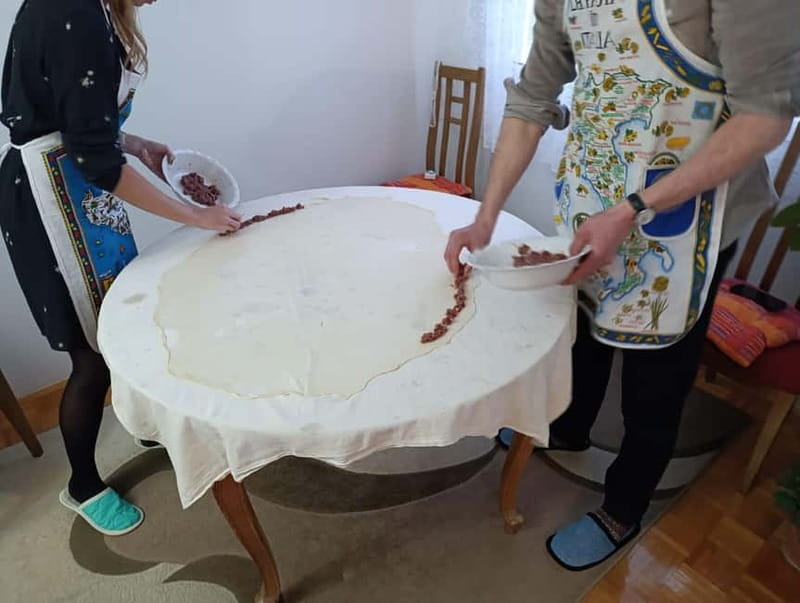
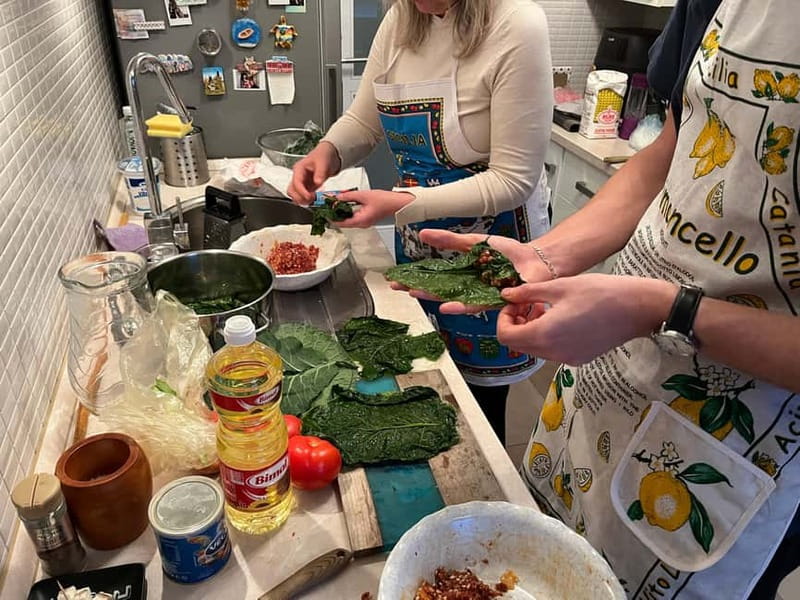
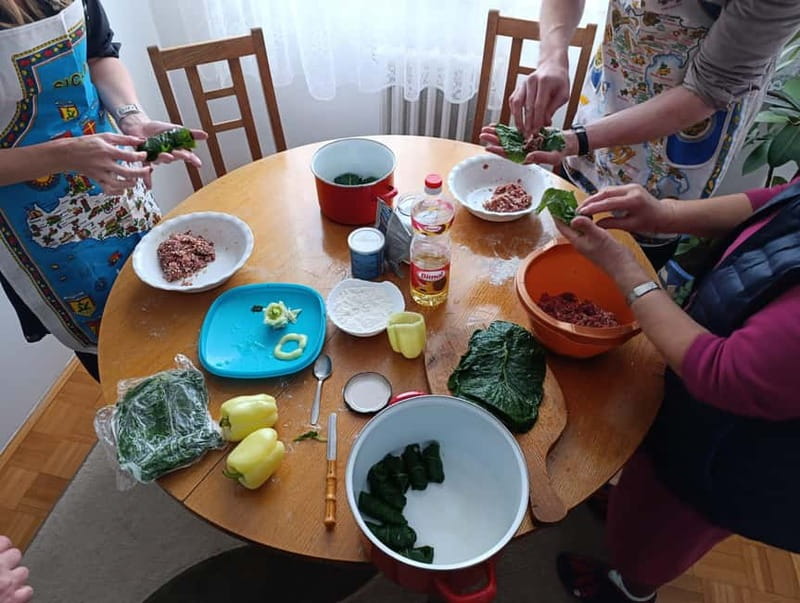
The class is hands-on. You roll up your sleeves and help prepare and cook the food, taking part in each stage. One particularly useful detail is that the instruction covers the entire meal, not only one showcase dish. You receive a recipe and a clear explanation for every item prepared.
That makes this a good choice for someone who wants more than a tasting. You can ask about technique as you work, then try the recipes in your own kitchen later. The focus is on practical home cooking, not fancy presentation.
The small group limit helps here. Six participants is still enough for a social table, but it is much more manageable than a large tour group. You should have a better chance to handle ingredients and speak with the cook. If the group is full, some tasks may still need to be shared, but the size is reassuring for a class built around participation.
Burek, pies, and sarma on the menu
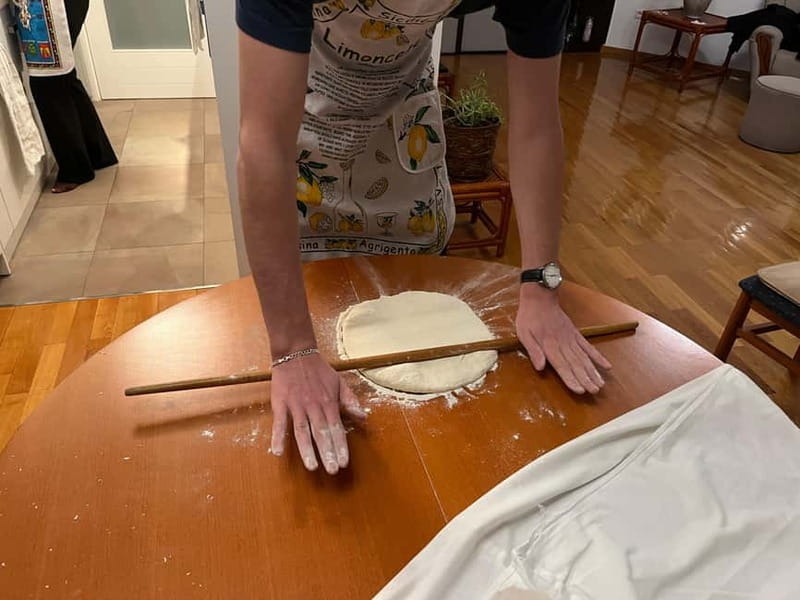
The dishes named in the experience give you a useful sense of the meal.
Burek is a savory pastry, commonly made with thin layers of dough and a filling. It is one of the foods many people associate with Bosnia and Herzegovina, and preparing it gives the class a clear connection to local food culture. The process can be more rewarding than simply ordering a slice from a bakery because you see how the pastry is assembled.
The class also includes pies, which may refer to other savory filled pastries. Since the exact menu is not fixed in the supplied information, ask your host what kind of pie you will prepare. The word can cover several variations, and the filling may change.
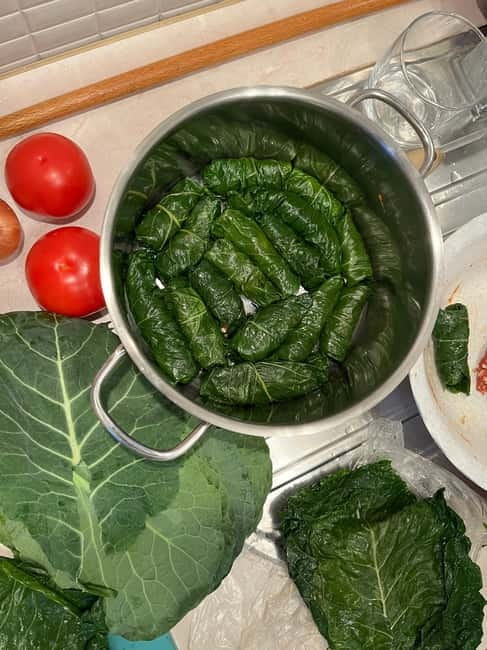
Sarma is another traditional dish specifically mentioned. It involves filled leaves and careful preparation, making it well suited to a family lesson. You learn not only what goes into it, but how the cook handles the individual stages.
The food is the main attraction, but do not expect a restaurant tasting menu. You are making a home-style meal with your hosts. That means the pace may follow the cooking rather than a strict clock, and the final dishes may look homemade instead of perfectly uniform. For me, that is part of the appeal. The point is to learn how the food is made and eat it with the people who prepared it.
Same corner of the country, a different kind of day:
- Sarajevo: Mostar, Konjic, Sufi House, Pocitelj & Kravice Falls
★ 5.0 · 1,179 reviews - Sarajevo: Tunnel Museum Yugoslavia War Tour with War Veteran
★ 5.0 · 1,111 reviews - ROSES OF SARAJEVO (Official WAR + CITY tour)- Story of a Survivor
★ 5.0 · 770 reviews - Sarajevo: Tunnel of Hope Tour – Survival and Resilience
★ 4.8 · 630 reviews
Eating together with wine, rakija, and leftovers
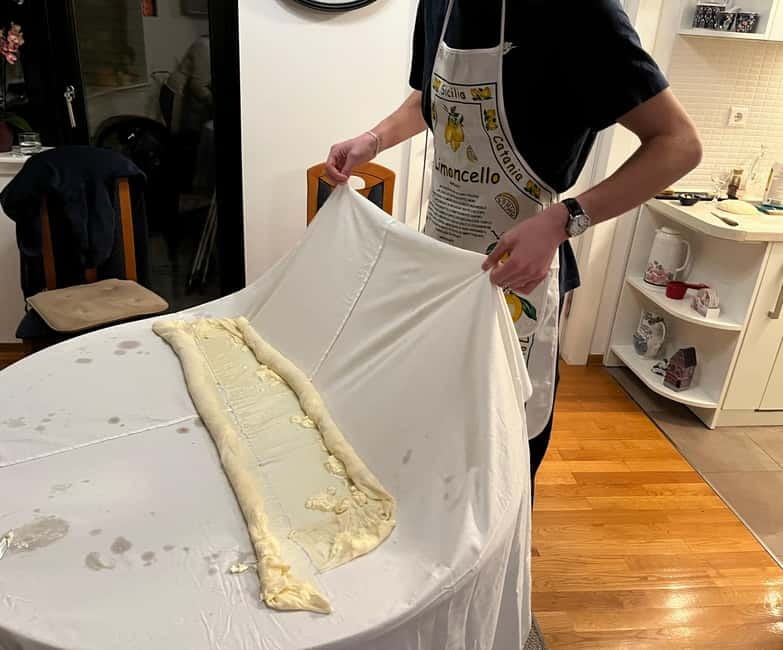
Once the cooking is finished, you sit down to enjoy the dishes you made. Meals and beverages are included, along with a glass of local wine or rakija.
Rakija is a strong fruit brandy found across the Balkans. If you do not drink alcohol, the class still includes Bosnian coffee and the meal itself, but the supplied information does not specify a nonalcoholic alternative. You may want to ask ahead if that is important to you.
The shared meal is where the class becomes a social visit rather than a simple lesson. You have worked in the kitchen with the hosts, and then you eat the result together. That format gives you time to talk about the food and the city in a relaxed setting.
A useful practical touch is the possibility of taking home leftovers. This was specifically appreciated by one participant, and it can make the meal feel more substantial. It also means you may get a second taste later, rather than finishing the activity and leaving all the cooking behind.
You should arrive ready to eat. The activity includes lunch, food tasting, and drinks during the roughly three-hour home visit. The total duration is four hours, including the market and transportation.
What the $106 price includes
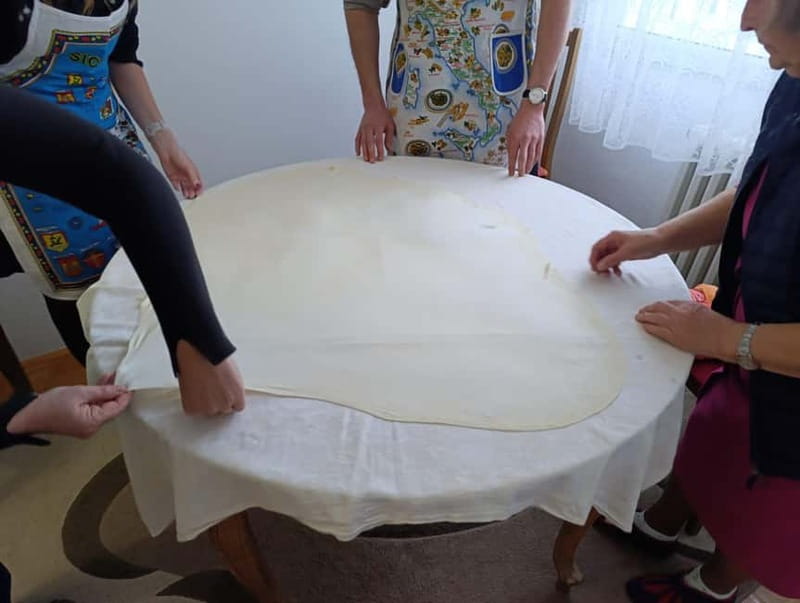
At $106 per person, this class costs more than buying a casual Bosnian lunch. The fair comparison, however, is not just a restaurant meal. Your price includes a local guide, hotel pickup and drop-off, private transportation, the market visit, all cooking ingredients, the cooking lesson, Bosnian coffee, the meal, and beverages.
You are paying for access to a private home and for instruction from a local cook. The group limit of six also matters. A larger class could lower the price per person, but it would likely give you less time with the cook and less control over the preparation.
I would consider the price reasonable if you value food, personal contact, and a lesson you can repeat at home. It is less attractive if you only want to sample local dishes or if you already plan several food-focused activities in Sarajevo.
The recipes add long-term value. You leave with more than a full stomach, assuming you keep the instructions and use them later. That practical element helps separate the class from a standard lunch excursion.
Still, the experience is not designed as a budget activity. Couples, families, and small groups who want an intimate cultural outing may find the cost worthwhile. Solo participants should think about the price more carefully, though the small group and included transport make it easier to join without organizing anything else.
Timing, language, and practical comfort
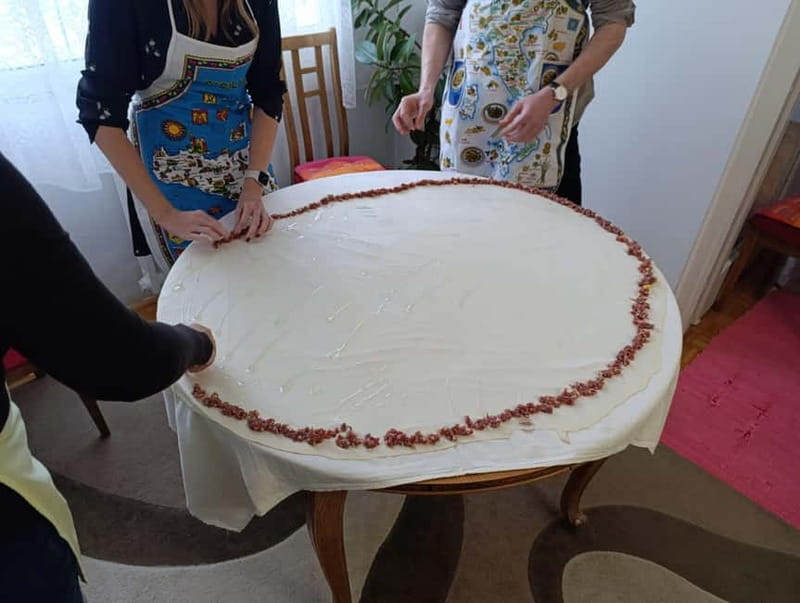
The activity lasts four hours. The schedule breaks down into about 30 minutes at the market, 15 minutes driving to the home, three hours for the cooking, lunch, and tasting, then 15 minutes returning to Sarajevo.
Starting times depend on availability, so check the schedule before you commit to other plans. Because the class includes shopping and cooking, allow some flexibility around the stated four-hour duration. The listed schedule is clear, but a home meal can take longer if preparation moves at a relaxed pace.
The host or greeter can speak English, Croatian, Serbo-Croatian, Serbian, or Bosnian. English is included, making the class accessible to many international visitors. If you want detailed cooking instruction, confirm that your preferred language is available when booking.
Wheelchair access is listed, which is important for anyone who needs step-free arrangements. Because the class takes place in a private home, I would still confirm the exact access details before arrival, especially if you use a larger wheelchair or have particular mobility needs.
Hotel pickup and drop-off are included. That is helpful after the market stop, when you may be carrying ingredients or simply want to avoid navigating unfamiliar streets. You should confirm your pickup details in advance, since the activity also lists Sarajevo as the meeting area.
Free cancellation is available up to 24 hours before the activity for a full refund. You can also reserve now and pay later, which gives you some flexibility when your Sarajevo schedule is still changing.
Who will enjoy this class most
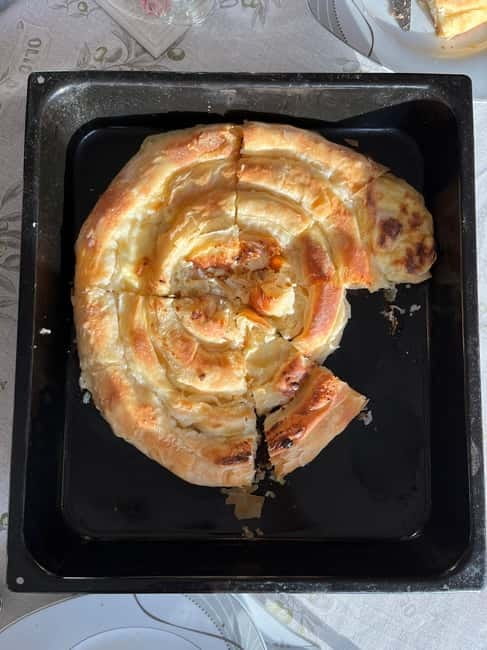
I would recommend this experience to you if food is one of your main reasons for visiting Bosnia and Herzegovina. It suits people who like to ask questions, work with their hands, and spend time in a local home rather than move from one sightseeing stop to another.
It also works well for couples and small groups. The six-person limit keeps the mood personal, and the private transport removes some of the hassle of reaching the host’s home.
Families may enjoy the hands-on format, provided everyone is comfortable with a three-hour cooking and meal session. The experience is not described as a children’s program, so ask about age suitability if you are traveling with young children.
This is not the best fit if you want a quick meal, a fixed menu, or a polished chef demonstration. You will spend a good part of the afternoon shopping, preparing, and waiting for the food to cook. That is the point, but it requires patience.
It is also not ideal if you prefer to avoid social contact in a private home. The family setting is central to the experience. You should be comfortable sharing a table, participating in conversation, and working in a home kitchen.
Final verdict: should you book it?
I would book this class if you want Sarajevo food with a personal connection. The market visit, private transportation, small group, detailed recipes, and shared meal make it more useful than a simple restaurant outing. The chance to prepare burek, pies, and sarma with hosts such as Danijela and Armin gives the afternoon a strong local focus.
At $106, it is not cheap. But the price covers nearly everything from pickup to ingredients, drinks, instruction, and lunch. You are paying for time with a family and for skills you can use after your trip.
Book it if you value cooking and conversation. Skip it if you only want a low-cost taste of Bosnian food or a tightly timed sightseeing tour. For the right person, this is the kind of Sarajevo experience that follows you home in the form of a recipe, a full meal, and perhaps a bottle of rakija still on your mind.
FAQ
How long does the Sarajevo Bosnian cooking class last?
The experience lasts four hours. About 30 minutes are spent shopping at a food market, 15 minutes traveling to the family home, three hours cooking and eating, and 15 minutes returning to Sarajevo.
What food might I prepare?
The experience includes traditional Bosnian dishes, with burek, pies, and sarma specifically mentioned. The exact menu is not fixed in the provided details, so ask about the dishes planned for your date.
Is transportation included?
Yes. The activity includes private transportation, hotel pickup, and hotel drop-off. The ride to the host’s home takes about 15 minutes, with another 15 minutes for the return journey.
What drinks are included?
The activity includes Bosnian coffee, meals, and beverages. You can also enjoy local wine or rakija during the meal.
How large is the group?
This is a small-group experience limited to six participants.
Is the activity wheelchair accessible?
Yes, the activity is listed as wheelchair accessible. You should confirm the specific access arrangements for the private home before booking if you have detailed mobility needs.
Newest around Sarajevo
- Understanding Srebrenica Genocide + Lunch with Local Family★ 4.9 · 14 reviews
- Private Full Day Safari Tour★ 5.0 · 8 reviews
- Sarajevo: Trebević Mountain Summit Hiking Tour★ 4.2 · 2 reviews
- From Sarajevo: Kozice Waterfalls Hiking Experience in Nature★ 5.0 · 2 reviews
- Sarajevo Under Siege: A War History Tour★ 5.0 · 10 reviews
- Mysterious Visoko Pyramids Driving and Walking Tour★ 5.0 · 7 reviews
- WAR TUNNEL – Sarajevo’s only way of a communication during the WAR – Top secret★ 5.0 · 12 reviews
- Ultimate Gastro Experience★ 4.5 · 14 reviews
Workshops, compared.
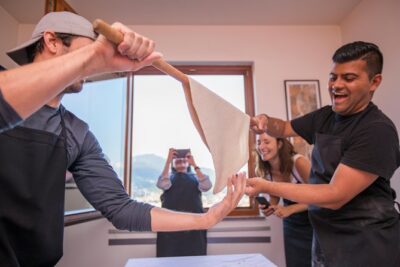
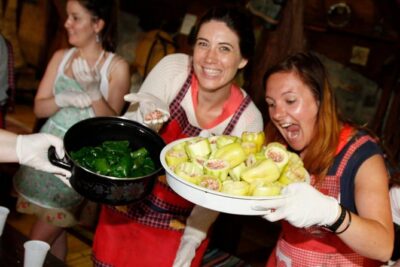
Traditional Bosnian Cooking Class in Mostar with Lunch and Drinks
Read our review →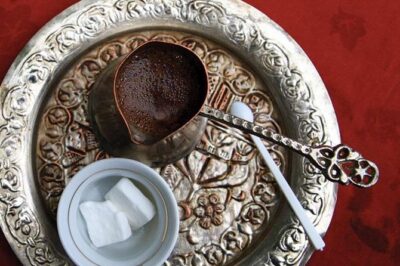
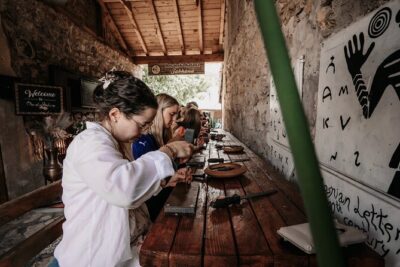
Bosnian Traditional Handicraft, half-day – do it yourself – Coppersmith Workshop
Read our review →
COPPER HANDICRAFT WORKSHOP (Make your own souvenir from Sarajevo)
Read our review →
Sarajevo Street Art & Graffiti Workshop Funky Half Day Tour of Sarajevo
Read our review →Browse the lists this tour appears in