
Review · FOOD & DRINK
Sarajevo: Food And Crafts tour
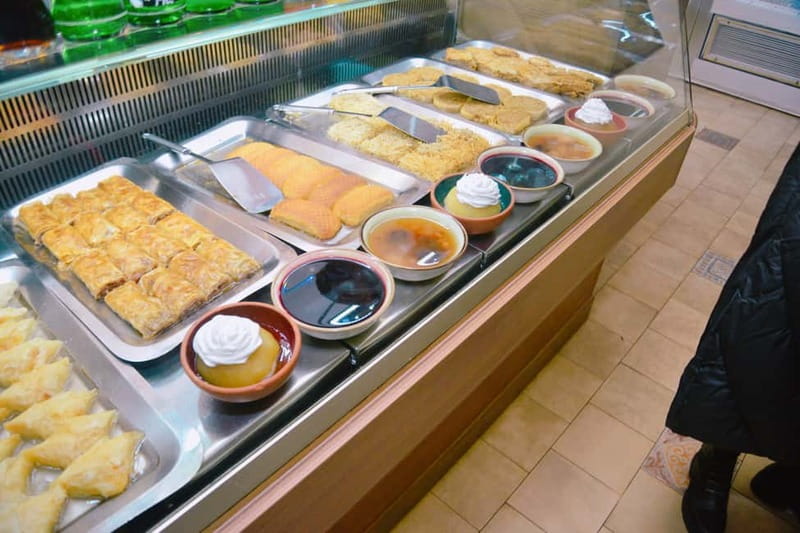
Come hungry, leave with a fuller picture of Sarajevo. This four-hour walk links Bosnian pastries, burek, cured meats, ćevapi, baklava, and coffee with the workshops that have shaped Sarajevo’s Old Town for centuries. I especially like the mix of small family-run food stops and working craft shops, rather than a tour built only around monuments. I also like that the guide explains how traditional trades may survive in modern Bosnia and Herzegovina. The one thing to consider is pace: with many short stops, you will see a lot, but some shops receive only 10 or 15 minutes of attention.
The tour costs $47 per person, which is fair if you want several tastings and an introduction to Sarajevo’s crafts in one outing. You should still arrive ready to walk, stand, and eat small portions at several stops. Recent guide feedback has been especially warm, with guides including Kiki, Hidajeta, Emina, Salma, Vildan, and Hidaya praised for their kindness, local knowledge, and ability to adjust the experience for small groups.
In This Review
- Key points at a glance
- Why this Sarajevo tour feels different
- Starting in Sarajevo’s Old Town
- The bakery stop at Pekara Poričanin
- Meeting Sarajevo’s working craftspeople
- Kazandžiluk and the copper tradition
- Burek, cheese, and the first major tasting
- Aščinica ASDŽ and old-style cooking
- Markale Market and Sarajevo’s everyday food culture
- Ćevabdžinica Nune and the final savory bite
- Baklava and Bosnian coffee
- What the $47 price really buys
- Practical details before you book
- Who should choose this food and crafts walk?
- Should you book the Sarajevo Food and Crafts Tour?
- FAQ
- Where does the Sarajevo Food and Crafts tour begin?
- How long does the tour last?
- How much does the tour cost?
- What language is the tour offered in?
- Is food included?
- Which foods can I expect to taste?
- Are vegetarian options available?
- What should I bring?
- Can I cancel or pay later?
Key points at a glance
- A bakery with local legend status: Skip the long line at Pekara Poričanin and try the fresh pastries people wait for.
- Food beyond ćevapi: The route includes burek, cheeses, smoked and cured meat, sudžukice, baklava, and Bosnian coffee.
- Working crafts, not just souvenir displays: See copperware, coffee grinders, paintbrushes, carpets, woodworking, and other handmade goods.
- A 500-year-old bazaar tradition: Kazandžiluk and nearby streets connect today’s workshops with Sarajevo’s Ottoman-era commercial past.
- A useful modern contrast: Bazerdžan adds local design and contemporary makers to the older craft story.
- Good for first-time visitors: You return to the agency after four hours with a practical food list and a clearer sense of the Old Town.
Why this Sarajevo tour feels different
Many food walks give you a succession of bites and a quick explanation of the neighborhood. This one tries to explain how Sarajevo eats and makes things. That matters here, because the Old Town is not simply an open-air museum. Its lanes still hold bakeries, restaurants, copper workshops, carpet shops, cafés, and family businesses.
The craft side gives the food a useful setting. You learn why coffee pots, grinders, brushes, carpets, and wooden goods still matter, even as cheaper factory-made products fill the shops around them. The guide also talks about what may happen to these trades in the future, including the challenge of passing skills from one generation to the next.
The experience is led in English by a live guide from Meet Bosnia Tours. The tone appears to depend partly on the guide, but that is a good sign here. Hidajeta has been praised for being warm and entertaining, while Emina has offered follow-up suggestions for restaurants and city sights. Small groups can receive a more tailored walk, and one couple had a private-feeling experience because they were the only participants.
More eating and drinking in Sarajevo:
- Private Walking Tour, Food Tasting and Bosnian Coffee in Sarajevo
★ 5.0 · 255 reviews - Sarajevo: 4-Hour Food And Craft Tour
★ 5.0 · 70 reviews - Sarajevo: Sarajevo City Market, Old Town Food Tasting Tour
★ 4.9 · 69 reviews
Starting in Sarajevo’s Old Town
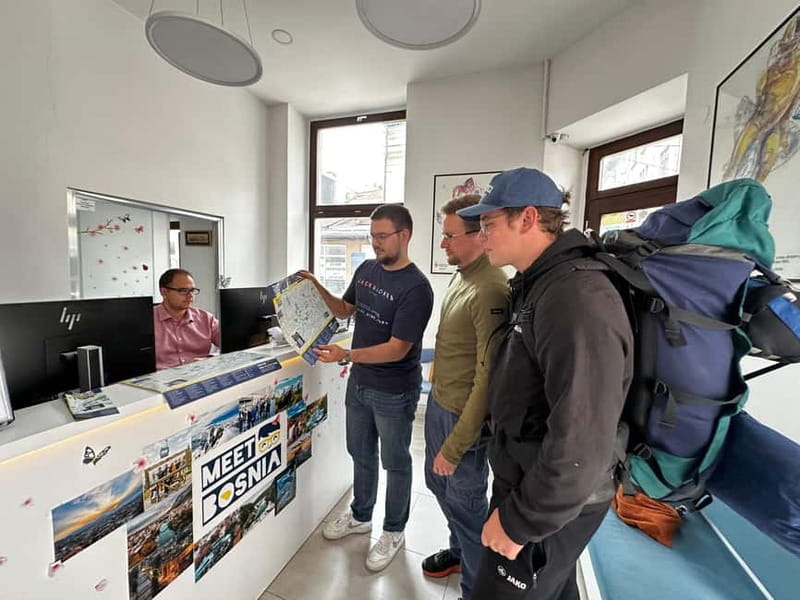
Meet at the Meet Bosnia Tours agency at the crossing of Mula Mustafe Bašeskije and Logavina Streets. Arrive a few minutes early. The start is in the historic center, so you do not need transport from another part of Sarajevo to reach the group.
The first food stop is Imaret, where you receive a local snack during about 15 minutes. This gets the tasting underway without using up too much time. You can expect the guide to set the scene for Bosnian food and explain what you are eating, rather than simply hand you a plate and move on.
Next comes Bazerdžan Baščaršija, a modern concept store with local designs, fashion, gifts, and work by contemporary artists. This is a smart early stop because it prevents the craft story from becoming stuck in the past. You see that Sarajevo’s creative life includes new makers as well as old workshops.
A short visit to Baščaršija follows, with an aperitif. Baščaršija is the historic market quarter, and the tour uses its lanes as the connecting thread between food and craft. The stop is brief, so do not expect a full historical walk here. Instead, think of it as orientation before the route moves into specific trades.
The bakery stop at Pekara Poričanin
Pekara Poričanin is one of the most appealing food stops because it is described as a local favorite where people may wait for hours for fresh bakery goods. Your group skips the line, which is a practical perk when you have only four hours.
The visit lasts about 10 minutes and includes a snack and an explanation from the guide. Fresh bakery food is a good introduction to Sarajevo because it shows the everyday side of the city. It is not a ceremonial tasting created only for tour groups. The bakery’s popularity with local customers gives the stop some credibility.
You should not expect a long sit-down meal at this point. Portions across the tour are best understood as a series of samples. That is why it helps to avoid a large breakfast, but you should still bring water and pace yourself.
Meeting Sarajevo’s working craftspeople
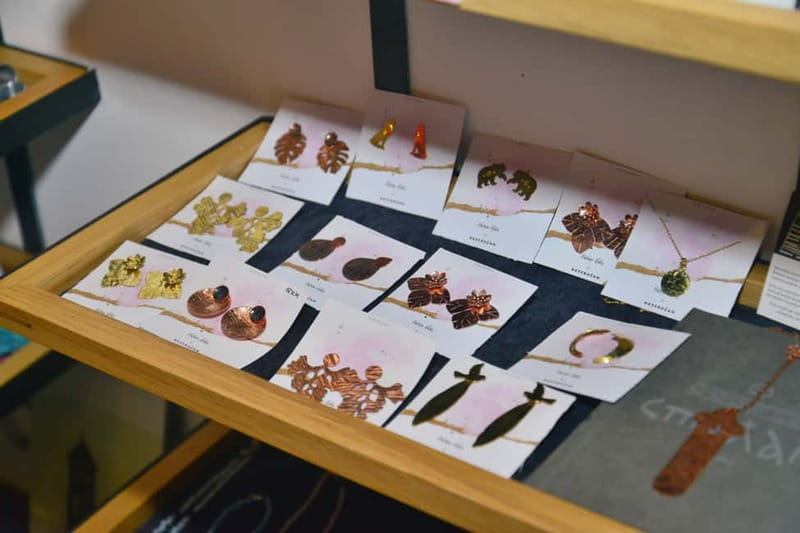
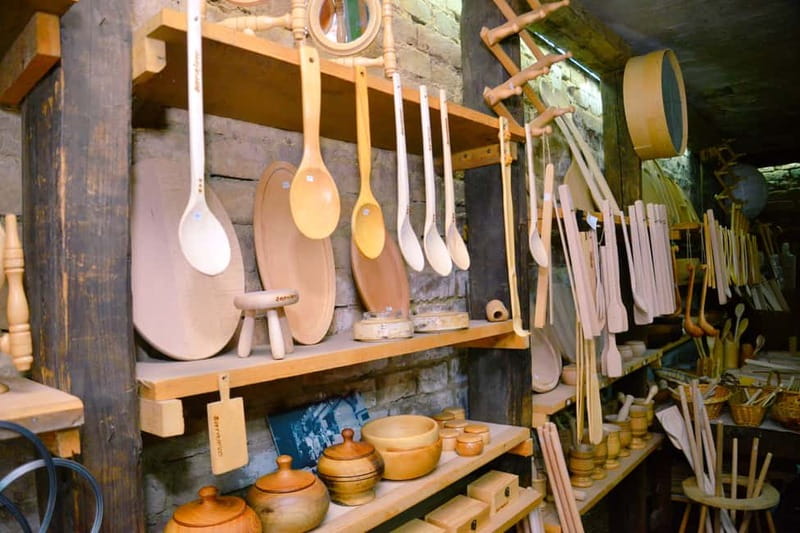
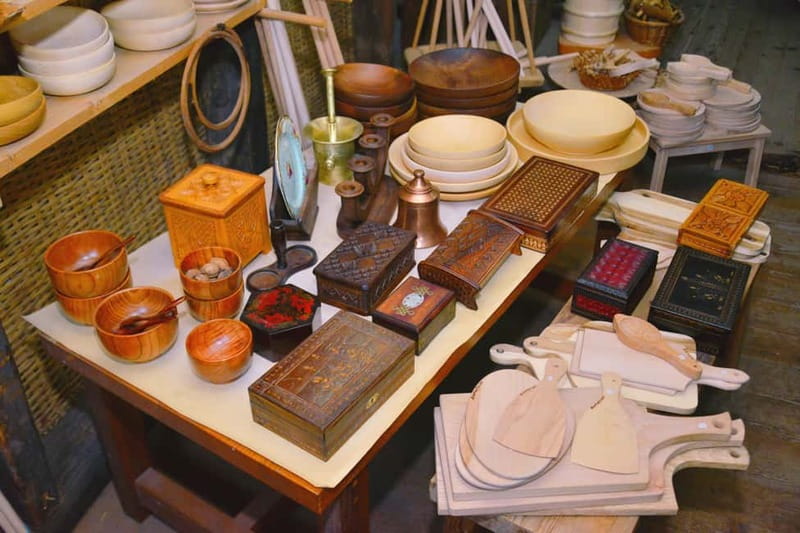
After the bakery, the walk turns toward small workshops and craft markets. Depending on the exact route and shop activity that day, you may see makers connected with coffee pots, coffee grinders, paintbrushes, carpentry, carpets, and copper goods.
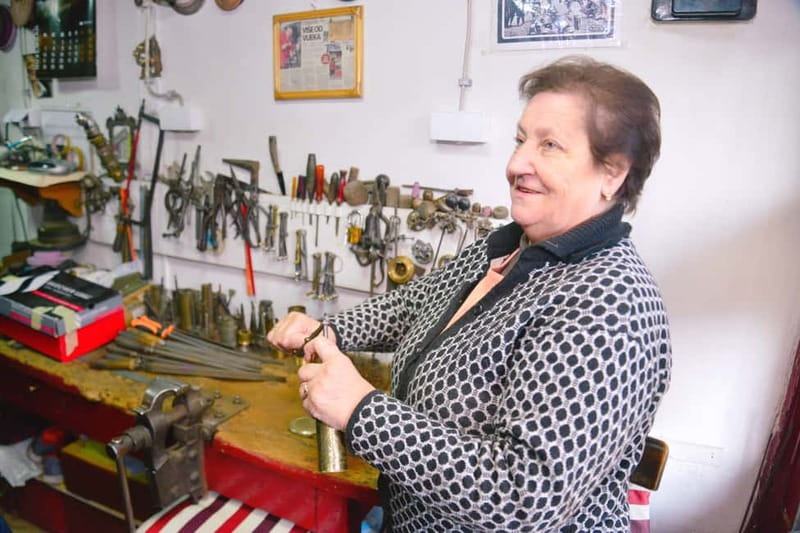
One particularly interesting detail is the family workshop that has made coffee grinders by hand for more than 120 years. That is not just a display of old equipment. It shows how a practical household object became part of Sarajevo’s coffee culture and family trade.
The tour also introduces Sarajevo’s handmade paintbrush tradition. Local craftsmen say these brushes can remain useful for half a century without losing quality. You do not need to buy one to appreciate the point: handmade goods often carry a longer working life than the cheap souvenirs competing with them.
The craft stops are short, generally 10 or 15 minutes. That keeps the route moving, but it may frustrate you if you want to watch a full object being made or spend time choosing purchases. One useful suggestion is to note the names and locations of the workshops you like. You may want to return later with more time.
Same corner of the country, a different kind of day:
- Sarajevo: Mostar, Konjic, Blagaj Tekke, Pocitelj & Waterfall
★ 4.9 · 1,666 reviews - Fall of Yugoslavia, Sarajevo War Tour with Tunnel of Hope Museum and Frontlines
★ 5.0 · 1,314 reviews - Sarajevo: Grand Walking Tour Through Time and Cultures
★ 4.8 · 1,236 reviews - Sarajevo: Mostar, Konjic, Sufi House, Pocitelj & Kravice Falls
★ 5.0 · 1,179 reviews
Kazandžiluk and the copper tradition
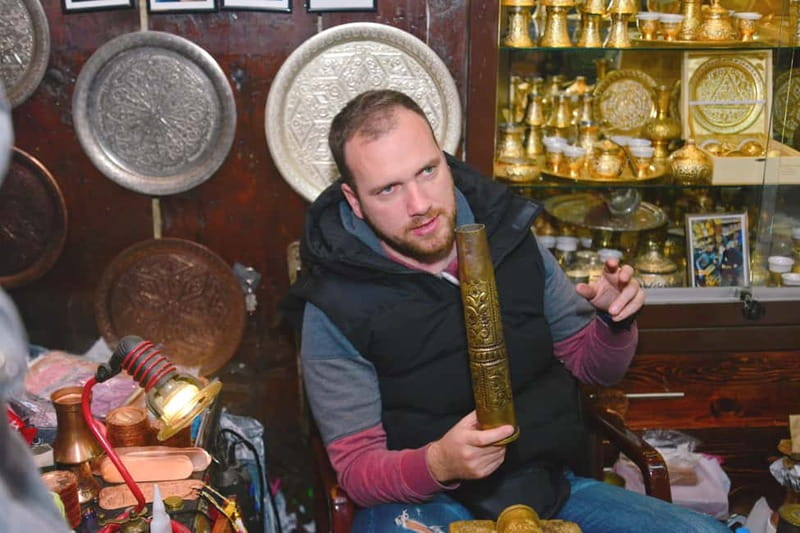
Kazandžiluk is one of the tour’s strongest historical sections. The name is tied to the coppersmiths who have worked in Sarajevo for centuries. Here, the sound and sight of copperware help explain why the Old Town feels different from a standard shopping street.
The route also includes Trgovke and more craft-market stops around Baščaršija. The guide connects the goods on sale with the families and skills behind them. The focus is not only on what to purchase, but on how the work has been preserved.
Sarajevo’s copper tradition goes back centuries, and pottery in the city is documented as far back as 1489. The tour also points to the special place of Bosnian carpets. Bosnia and Herzegovina is one of the few European countries with its own recognized Bosnian carpet tradition, treated as a form of applied and folk art.
The carpet section is useful if you are considering a souvenir. You can ask about materials, production, and what makes a piece locally meaningful. Still, the tour does not promise a dedicated shopping session, so save serious buying decisions for after the walk.
Burek, cheese, and the first major tasting
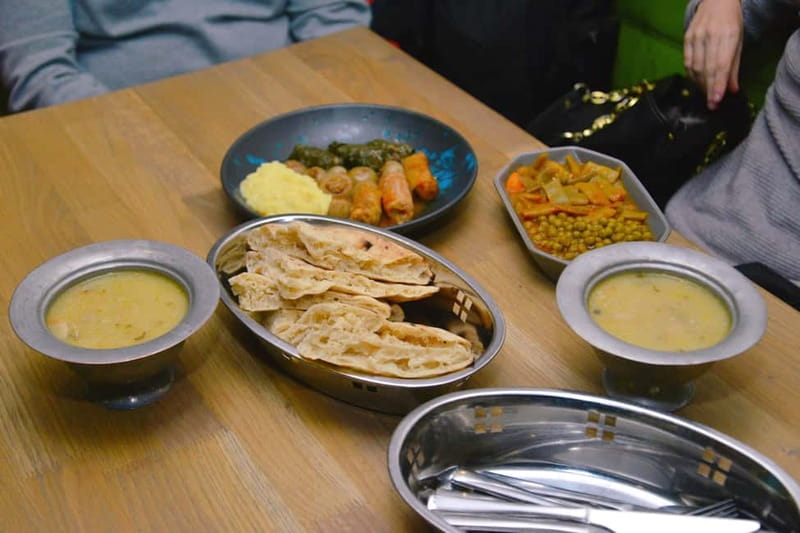
At Buregdžinica Bosna, you receive a food tasting during a roughly 15-minute visit. Burek and related baked dishes are central to Bosnian food culture, and this stop gives you a chance to taste them in a specialist setting.
The wider food selection includes traditional cheeses, cured meat, smoked meat, and dishes prepared from old recipes. These tastes help you understand that Bosnian cooking is not limited to the familiar ćevapi plate. Expect savory food with strong, direct flavors and enough variety to keep the route interesting.
Vegetarian choices have been available on the tour, which makes it more useful for mixed groups. Still, if you have allergies or strict dietary rules, ask the operator before booking. The supplied details confirm vegetarian options, but they do not give a full list of ingredients or guarantee accommodations for every restriction.
Aščinica ASDŽ and old-style cooking
Aščinica ASDŽ is another food-focused stop, with about 20 minutes for a guided visit. An aščinica is associated with traditional cooked dishes, so this part of the route broadens the meal beyond bakery food and grilled meat.
This is where the tour’s food and history themes meet most clearly. Recipes described as centuries old are presented through dishes still served in the center of Sarajevo. You get context for how local cooking has survived while the city around it has changed.
The timing remains compact. You may taste several things without having time to study every dish in detail. I would treat this stop as an introduction, then return to the restaurant later if something particularly suits you.
Markale Market and Sarajevo’s everyday food culture
The route continues to Trznica Markale Sarajevo, where the guide leads you through the market for about 15 minutes. Markale adds an everyday food setting to the older bazaar streets. It is a useful contrast to restaurant tastings because markets show ingredients and shopping habits rather than finished plates alone.
The stop also helps you place the earlier foods in context. Cheese, meat, bakery products, and cooked dishes are not isolated tourist samples. They belong to a wider food system that includes markets, specialist shops, bakeries, and family restaurants.
As with the other short visits, you will not have unlimited time to browse. If you want to shop for food gifts, ask the guide for advice before the end of the tour.
Ćevabdžinica Nune and the final savory bite
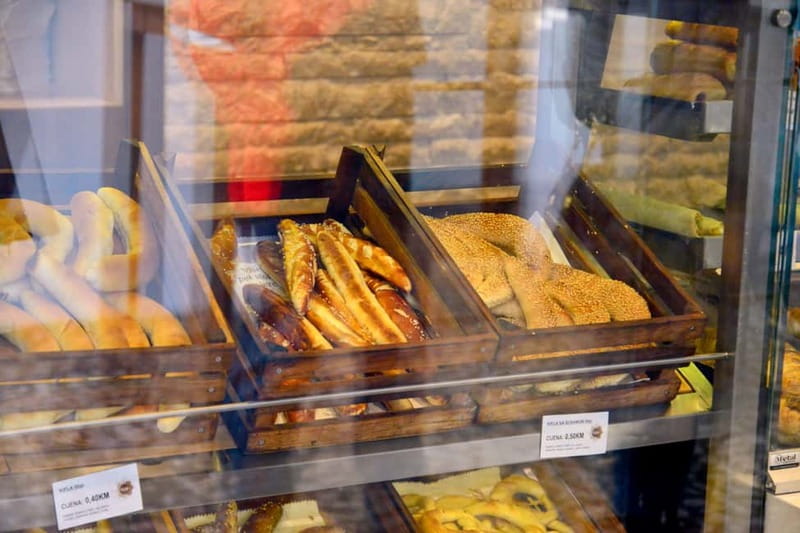
At Ćevabdžinica Nune, the group spends about 20 minutes with a barbecue tasting. This is the tour’s clearest introduction to ćevapi-style grilled meat, one of Sarajevo’s best-known specialties.
You also try sudžukice, small sausages connected with the city’s traditional food culture. The dish was named the best sudžuk by the Sarajevo food dictionary in 2020, giving this stop a particular local claim to fame.
The timing is enough for a proper taste, but not a long dinner. If you are hungry, this stop may feel like the most satisfying part of the walk. If you have already sampled heavily at earlier stops, it is wise to take small portions and focus on the differences between the dishes.
Baklava and Bosnian coffee
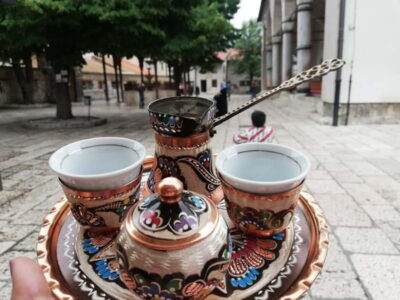
The final food pairing is handmade baklava with Bosnian coffee at a local café. This is a fitting finish because coffee is not treated as a quick caffeine stop in Sarajevo. It is a social ritual, and the small pot, fine grounds, and careful serving style are part of the experience.
The tour also visits one of Sarajevo’s oldest pipe shops and includes food from the owners. That adds another family-business story to the route and reinforces the link between small shops, food, and craft.
Bosnian coffee can be intense, and the grounds remain in the bottom of the cup. Take your time. Baklava provides the sweet counterpoint to the earlier pastry, meat, and cheese. For many people, this final stop will be the moment when the tour feels most relaxed.
What the $47 price really buys
At $47 per person, the value depends on how much you would otherwise spend finding these places yourself. You are paying for multiple tastings, a four-hour English-language guide, introductions to craftspeople, Old Town orientation, and the time saved locating specialist bakeries, restaurants, and workshops.
The price is strongest for first-time visitors who want a structured introduction. You receive food, local context, and shopping ideas in one block of time. It is also useful early in a Sarajevo stay, since the guide may point you toward restaurants and other sights for later.
The value is weaker if you want a long meal at each stop or plan to buy a large number of handmade goods. This is a walking sampler and cultural overview, not a full-day workshop or a private shopping tour.
Practical details before you book
Wear comfortable shoes. The route covers Old Town streets and includes repeated walking and standing between short visits. Bring water, a camera, and clothing suited to the weather.
The tour runs rain or shine. Sarajevo’s weather can change, so a light waterproof layer is sensible even when the forecast looks friendly. The activity is wheelchair accessible, though the provided details do not explain the exact surfaces or access arrangements at every workshop and food stop. If you need specific assistance, confirm those details with Meet Bosnia Tours.
Cancellation is free up to 24 hours before the start for a full refund. You can also reserve now and pay later, which helps if your Sarajevo schedule is still shifting.
Who should choose this food and crafts walk?
I would choose this tour if you are visiting Sarajevo for the first time and want more than a list of monuments. It suits people who enjoy tasting several foods, asking questions, browsing local goods, and learning how older trades fit into modern city life.
It is also a good match for couples and families who want a shared activity with varied stops. Vegetarian diners have had options, though you should confirm your needs in advance. Small groups benefit most because the guide can adjust the conversation and spend more time on your interests.
I would hesitate if you dislike walking, prefer one long restaurant meal, or want guaranteed time to watch craftsmen complete a full object. The route is active and varied, not slow and leisurely.
Should you book the Sarajevo Food and Crafts Tour?
Book it if you want a practical first taste of Sarajevo’s food and Old Town trades for $47. The strongest reasons are the bakery skip, the specialist food stops, the copper and coffee-making traditions, and the chance to meet businesses that still work by hand.
You may want to add a separate shopping visit afterward, since the craft stops are brief. For a first or second day in the city, though, this four-hour walk gives you useful bearings, a full stomach, and plenty of ideas for what to eat and buy next.
FAQ
Where does the Sarajevo Food and Crafts tour begin?
It begins at the Meet Bosnia Tours agency at the crossing of Mula Mustafe Bašeskije and Logavina Streets in Sarajevo’s Old Town.
How long does the tour last?
The tour lasts four hours and returns to the Meet Bosnia Tours agency.
How much does the tour cost?
The listed price is $47 per person.
What language is the tour offered in?
The live guided tour is offered in English.
Is food included?
Yes. The experience includes Bosnian food tastings, including savory and sweet traditional specialties, and Bosnian coffee.
Which foods can I expect to taste?
The route includes bakery goods, local snacks, burek, cheeses, cured and smoked meat, traditional cooked dishes, ćevapi-style barbecue, sudžukice, handmade baklava, and Bosnian coffee.
Are vegetarian options available?
Vegetarian options have been available during the tour. Contact Meet Bosnia Tours before booking if you have allergies or specific dietary requirements.
What should I bring?
Bring comfortable shoes, water, a camera, and clothing suited to the weather.
Can I cancel or pay later?
You can cancel up to 24 hours in advance for a full refund. Reserve now and pay later is also available.
Newest around Sarajevo
- Understanding Srebrenica Genocide + Lunch with Local Family★ 4.9 · 14 reviews
- Private Full Day Safari Tour★ 5.0 · 8 reviews
- Sarajevo: Trebević Mountain Summit Hiking Tour★ 4.2 · 2 reviews
- From Sarajevo: Kozice Waterfalls Hiking Experience in Nature★ 5.0 · 2 reviews
- Sarajevo Under Siege: A War History Tour★ 5.0 · 10 reviews
- Mysterious Visoko Pyramids Driving and Walking Tour★ 5.0 · 7 reviews
- WAR TUNNEL – Sarajevo’s only way of a communication during the WAR – Top secret★ 5.0 · 12 reviews
- Ultimate Gastro Experience★ 4.5 · 14 reviews
Food & Drink, compared.
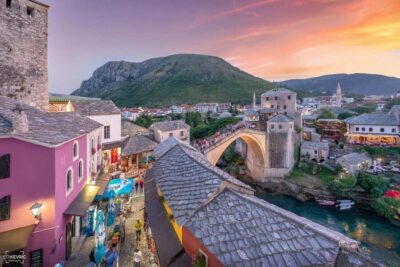
Split/Trogir: Mostar and Medjugorje Tour with Wine Tasting
Read our review →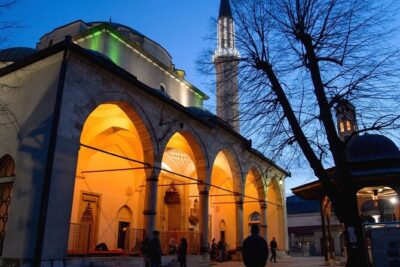
Private Walking Tour, Food Tasting and Bosnian Coffee in Sarajevo
Read our review →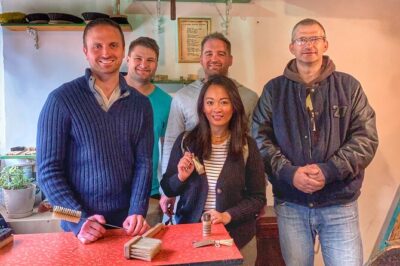
Sarajevo City Market, Old Town Food Tasting Tour
Read our review →
LUKOMIR VILLAGE HIKE & TREK TOUR (nature, hike, food & panorama)
Read our review →
Browse the lists this tour appears in