
Review · FOOD & WINE TASTINGS
🍽️ Sarajevo Food Tour: Eat where the locals eat
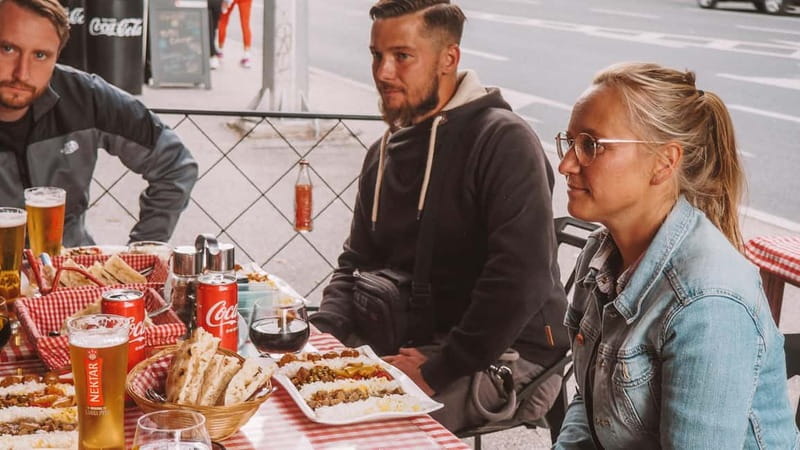
Come hungry, leave full of Sarajevo. This five-hour walk through Grbavica combines home-style Bosnian food, local drinks, market life, and stories of a neighborhood shaped by war and renewal. I like the generous portions and the small-group limit of eight, which makes the outing feel personal rather than mass-produced. I also like that the food goes beyond the usual ćevapi, with burek, soups, desserts, and produce from a local market.
The main consideration is the walking. You cover about five kilometres, and the tour is not suitable for people with mobility impairments. It also finishes outside central Sarajevo, although the walk back takes about 20 minutes. Come with an appetite, and leave your luggage at the hotel.
In This Review
- Key Points at a Glance
- Why Grbavica Makes a Better Food Setting Than the Old Town
- Starting Beside the Stećak Replica
- The First Restaurant: Bosnian Food Beyond Ćevapi
- Grbavica Market and the Taste of Daily Life
- Murals, Memory, and the Story of Grbavica
- Grbavica Stadium and a City Rebuilt
- Rakija, Beer, or Wine at a Local Bar
- Local Bakery Burek, the Pastry Sarajevo Takes Seriously
- Dessert at a Sarajevo Institution
- Dolac Malta and the Walk Back to Central Sarajevo
- Is $81 a Fair Price?
- Who Will Enjoy This Five-Hour Walk?
- Should You Book the Grbavica Food Tour?
- FAQ
- How long does the Sarajevo Food Tour last?
- How far do you walk?
- Where does the tour start?
- Where does the tour finish?
- How many food stops are included?
- What food can I expect?
- Is rakija included?
- Can dietary requirements be accommodated?
- Is this tour suitable for people with mobility impairments?
Key Points at a Glance
- Five substantial food stops: Expect traditional dishes, home-cooked meals, burek, dessert, and a drink rather than a few token samples.
- Grbavica beyond the postcards: You see a real Sarajevo neighborhood, including its market, streets, stadium, and local cafés.
- A personal view of the siege: The route connects present-day Grbavica with its wartime past, including the front-line position of Grbavica Stadium.
- Rakija is optional: You can try the famously strong fruit brandy, or choose local beer or wine instead.
- Small groups matter here: With no more than eight people, you can ask questions and keep the pace social.
- Plan your final walk: Return transport is not included, but central Sarajevo is about 20 minutes away on foot.
Why Grbavica Makes a Better Food Setting Than the Old Town
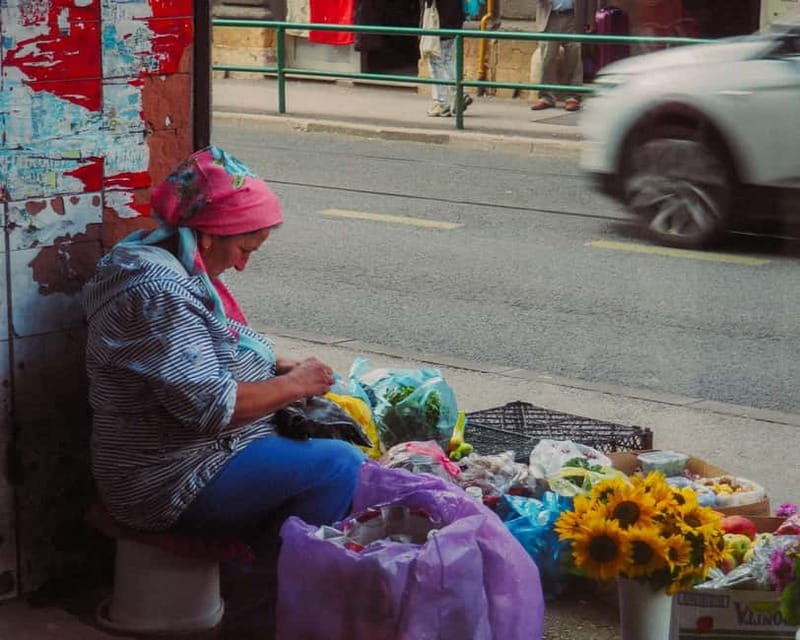
Sarajevo’s Old Town is essential, but it can also become a loop of the same familiar stops. Grbavica gives you another side of the city: apartment blocks, neighborhood businesses, a produce market, cafés, and streets where daily life takes priority over sightseeing.
That change of setting is the point. You are not simply eating Bosnian food. You are seeing where people buy groceries, meet friends, and stop for an ordinary meal. The guide’s local connection matters here. Nermin and Numa have led this experience, and the strongest part of their approach is the way food and place are tied together.
You can expect plenty of personal stories, practical explanations of Bosnian dishes, and a relaxed tone. One earlier party described Nermin as someone who seemed to know everybody along the route. That kind of familiarity can turn a meal stop from a transaction into a glimpse of neighborhood life.
The tone is warm, but the history is not brushed aside. Grbavica suffered heavily during the siege of Sarajevo, and the walk explains how the area endured and rebuilt. The result is not a gloomy war tour. Food, conversation, and ordinary streets keep the past connected to the living city.
More Food & Wine Tastings in Sarajevo
- Private Walking Tour, Food Tasting and Bosnian Coffee in Sarajevo
★ 5.0 · 255 reviews - Sarajevo: Sarajevo City Market, Old Town Food Tasting Tour
★ 4.9 · 69 reviews - Half-Day Grbavica Food Tour in a Small Group
★ 5.0 · 6 reviews
Starting Beside the Stećak Replica
The meeting point is the replica of the Zgošća stećak, a medieval Bosnian tombstone. It is an appropriate place to begin because it links the modern city to Bosnia and Herzegovina’s older cultural past.
From there, the group walks toward the Suada and Olga bridge. This opening section helps set the scene before the eating begins. You get a short introduction to Sarajevo and the route, then move into the neighborhood on foot.
The bridge is also a place where Sarajevo’s wartime story comes close to the present. Your guide uses the route to explain historical events and local meaning rather than delivering a long lecture at the start. That keeps the information manageable, especially if you prefer history in short sections.
The First Restaurant: Bosnian Food Beyond Ćevapi
The first major food stop is a local restaurant, where you begin tasting traditional dishes that are not ćevapi. That choice is one of the tour’s best ideas. Ćevapi are worth trying in Sarajevo, but they are only one part of Bosnian cooking.
The meal may include hearty soup, beef-filled burek, and other home-style specialties. The portions are described as generous, so think of each stop as part of a long meal, not a small appetizer tasting. If you have already eaten lunch, you may struggle before the afternoon is over.
An aščinica, a Bosnian shop serving cooked meals, is included in the food experience. These places are useful for understanding everyday cooking because they focus on prepared dishes rather than a formal restaurant setting. You get a better sense of the food people choose when they want something filling and familiar.
Ask questions here. You can learn how dishes fit into local eating habits, what makes a pastry different from a main meal, and how Bosnian cooking balances meat, pastry, broth, and sweets. The guides are comfortable answering a wide range of questions, from food customs to Sarajevo’s past.
Grbavica Market and the Taste of Daily Life
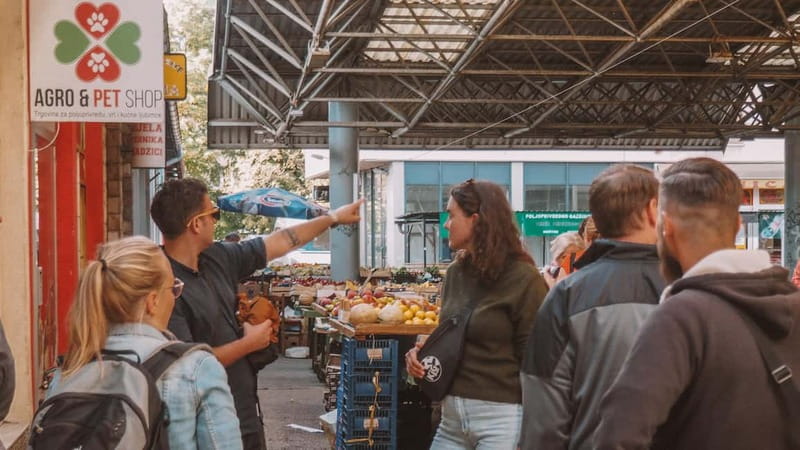
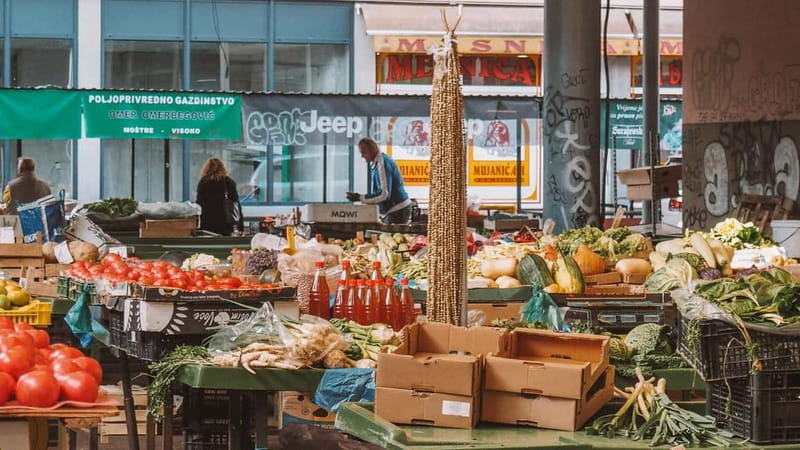
The walk continues to Pijaca Grbavica Sarajevo, the neighborhood market. This is one of the most useful stops because it shifts the focus from prepared food to ingredients and shopping habits.
You can see fresh produce and try seasonal items, including fruit such as watermelon when available. The market adds color and movement to the afternoon, but its real value is practical. It shows you where residents shop and gives the food you have already tasted a clearer context.
Market stops can be less predictable than restaurant stops. Selection depends on the day and season, and this is not a staged cooking demonstration. That is part of the appeal, but you should come ready for an ordinary local market rather than a polished attraction.
The stop also offers a chance to pause between meals. Five kilometres of walking and several tastings require a little pacing. Enjoy the fruit, drink water when possible, and resist the urge to treat every early bite as the main event.
Same corner of the country, a different kind of day:
- Sarajevo: Mostar, Konjic, Blagaj Tekke, Pocitelj & Waterfall
★ 4.9 · 1,666 reviews - Fall of Yugoslavia, Sarajevo War Tour with Tunnel of Hope Museum and Frontlines
★ 5.0 · 1,314 reviews - Sarajevo: Grand Walking Tour Through Time and Cultures
★ 4.8 · 1,236 reviews - Sarajevo: Mostar, Konjic, Sufi House, Pocitelj & Kravice Falls
★ 5.0 · 1,179 reviews
Murals, Memory, and the Story of Grbavica
A photo stop at the mural of General Jovan Divjak adds another layer to the neighborhood’s story. The guide uses images and anecdotes to explain Sarajevo’s wartime experience, including the siege and the people connected to it.
This section is especially useful if you know only the broad outline of the conflict. Rather than separating history from the food, the tour shows how the city’s past is part of its current identity. You are walking through streets where people now shop, eat, and socialize, while also learning what the area endured.
The history is presented in short lessons, with photographs shown on an iPad during the walk. That is a practical touch. Visual material can help you understand places that may look ordinary today, especially when the physical signs of conflict have faded.
Expect the tone to shift at times. This is a food tour, but it does not pretend Sarajevo’s story is only cheerful. The balance between difficult history and present-day hospitality is one of the experience’s strongest features.
Grbavica Stadium and a City Rebuilt
The route includes Grbavica Stadium, also known as the Željezničar stadium. During the siege, it was situated near the front lines. Seeing it in person gives the history a fixed location, rather than leaving it as a series of dates and general descriptions.
The stadium also represents recovery. Its continued place in the neighborhood shows how Sarajevo rebuilt spaces that had been caught in the fighting. You do not need to be a football fan to appreciate this stop. It connects sport, community, war, and normal life in one location.
This is sightseeing rather than a stadium tour with a full sports program. The value comes from the guide’s explanation and the stadium’s place in the neighborhood. If you want a long architectural visit or access to every part of the venue, this experience is not designed for that.
Rakija, Beer, or Wine at a Local Bar
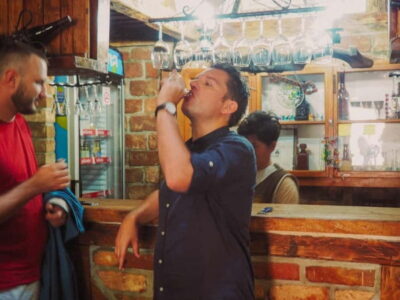
At a local bar, you can sample Bosnian rakija, the fruit brandy that is famous, potent, and not for everyone. It is served cold here, in the Sarajevan fashion. If strong spirits are not your thing, local beer or wine is available instead.
I like that the drink choice is flexible. A food tour should not turn one alcoholic tradition into a test of bravery. Rakija can be an interesting cultural taste, but you should feel free to choose something milder.
The bar stop is also a social break. After several food tastings and historical explanations, sitting down with a drink gives the group time to talk. The small group size helps here. With a maximum of eight people, conversation is easier, and the guide can respond to individual interests.
Keep in mind that extra food and drinks not specifically included are your responsibility. The advertised experience includes the sampling described, but you should not assume every additional order is covered.
Local Bakery Burek, the Pastry Sarajevo Takes Seriously
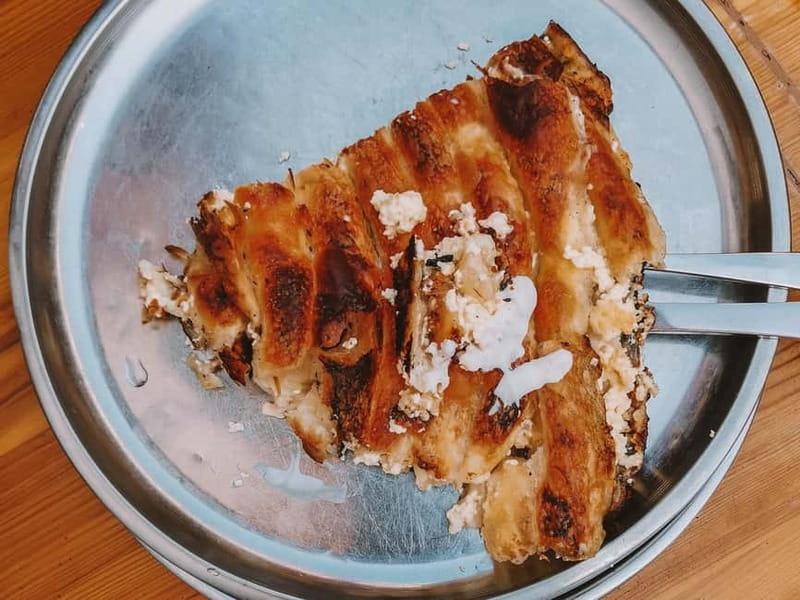
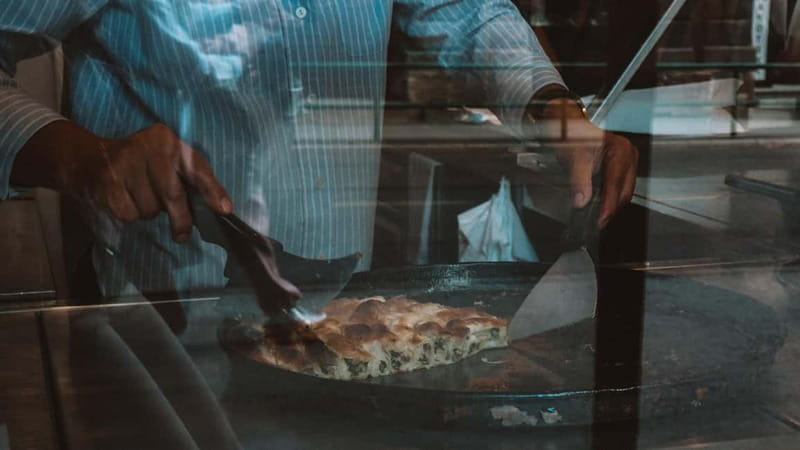
The bakery stop focuses on burek, one of Bosnia’s most recognizable savory pastries. The tour describes it as beefy, and this is a chance to try it in a local bakery rather than only encountering it as a menu term.
Burek is filling, flaky, and easy to underestimate. A piece can look modest, but after a restaurant meal, market tasting, and drink, it becomes serious business. This is why the advice to skip a large breakfast or lunch is sound.
The bakery also helps explain the difference between eating as a formal activity and eating as part of the day. Pastry shops are practical places, and the stop feels closer to how a local might grab food than how a visitor might schedule a restaurant reservation.
If you have dietary restrictions, tell the operator at least 24 hours before the tour. That gives the team a chance to plan alternatives, though you should still explain clearly what you can and cannot eat.
Dessert at a Sarajevo Institution
The final food portion comes from a legendary pastry shop founded in the 1970s. The exact dessert can vary, but you should expect a traditional sweet to close the tasting sequence.
This is a good finish because Bosnian meals are not only about grilled meat and savory pastry. Dessert gives you another look at local habits and lets the afternoon end on a gentler note.
By this point, the generous portions may be the bigger story than the individual dish. Several people who have taken the walk describe leaving completely full, and that matches the structure: five food stops, a drink, and steady sampling across the route.
The practical lesson is simple: do not plan a major dinner afterward. You may want a light evening meal, a stroll, or nothing at all.
Dolac Malta and the Walk Back to Central Sarajevo
The tour finishes around Dolac Malta, after the final café tasting. Return transport is not included, but the center is about a 20-minute walk away. After a full afternoon of eating, that walk can be useful rather than inconvenient.
You may want to follow the river and let the meal settle. The final walk also gives you time to think about the contrast between the Old Town and Grbavica. This tour does not return you to the same postcard version of Sarajevo from which many sightseeing days begin.
If you are staying in central Sarajevo, allow extra time after the stated five hours. Several parties have spent closer to six hours on the experience when the conversation and meals ran long. That can be a bonus if you have a relaxed schedule, but it matters if you have evening plans.
Is $81 a Fair Price?
At $81 per person, this is not the cheapest way to eat in Sarajevo. You could order individual dishes for less, especially if you stayed in one restaurant.
The value comes from the combination. Your price covers five food stops, a market visit, traditional dishes, a drink sample, a guide, and a history walk through an area you might not otherwise visit. You are paying for access and interpretation as much as for food.
The small group limit of eight improves the value. You get a more personal pace, easier conversation, and a better chance to ask about dishes or local customs. The generous portions also help justify the price, especially if you treat the tour as a substantial meal rather than a sampler.
For me, the cost makes the most sense for someone who wants local context and a full afternoon. If your only goal is to find the lowest-cost burek or soup, you can do that independently. If you want several food traditions connected to one neighborhood’s story, $81 is easier to defend.
Who Will Enjoy This Five-Hour Walk?
This tour suits you best if you:
- Want Sarajevo beyond the Old Town and standard ćevapi stops.
- Enjoy eating several hearty dishes in one afternoon.
- Prefer a small group and plenty of conversation.
- Have an interest in the siege of Sarajevo and the city’s recovery.
- Are comfortable walking about five kilometres.
- Like local markets, cafés, bakeries, and ordinary neighborhoods.
- Can keep your schedule flexible in case the afternoon runs long.
It may not suit you if you have limited mobility, dislike long walks, or want a tightly timed activity. It is also a poor choice immediately after a large meal. The food is a major part of the experience, and you need room for it.
The tour is offered in German, English, Bosnian, Croatian, and Serbian. That range makes it useful for different groups, but check the available language when choosing your departure.
Should You Book the Grbavica Food Tour?
Book it if you want Sarajevo as a lived-in city, not only as a historic center. The strongest feature is the mix of generous local food, personal guiding, and a neighborhood story that reaches from the market to the stadium.
You should also book it if you value atmosphere over a checklist of sights. Nermin and Numa bring warmth, humor, and local connections, while the route gives you places you would be unlikely to find on your own.
Skip it if you want a short tasting, a central location, or a predictable two-hour schedule. For everyone else, this is a well-rounded afternoon: eat plenty, listen closely, ask questions, and save enough energy for the walk home.
FAQ
How long does the Sarajevo Food Tour last?
The advertised duration is five hours. The outing may run longer when meals and conversation take extra time.
How far do you walk?
You walk approximately five kilometres during the tour.
Where does the tour start?
The meeting point is at the replica of Zgošća’s stećak.
Where does the tour finish?
The tour finishes around Dolac Malta. Central Sarajevo is about a 20-minute walk away, and transportation back to the city is not included.
How many food stops are included?
The experience includes five food stops, including a local restaurant, an aščinica, a market tasting, a bakery, and a café or pastry stop.
What food can I expect?
You can expect several Bosnian specialties beyond ćevapi, including soup, beef burek, fresh market produce, and dessert. Portions are generous.
Is rakija included?
You can sample Bosnian rakija. Local beer or wine is available as an alternative for people who do not want fruit brandy.
Can dietary requirements be accommodated?
Yes, but you need to provide your dietary information at least 24 hours before the tour.
Is this tour suitable for people with mobility impairments?
No. The tour includes about five kilometres of walking and is not suitable for people with mobility impairments.
Eating & Drinking in Sarajevo
- Sarajevo: 4-Hour Food And Craft Tour
★ 5.0 · 70 reviews - Sarajevo: Food And Crafts tour
★ 4.9 · 23 reviews - LUKOMIR VILLAGE HIKE & TREK TOUR (nature, hike, food & panorama)
★ 5.0 · 11 reviews - Safari kayak adventure w BBQ & Beer
★ 5.0 · 34 reviews
Newest around Sarajevo
- Understanding Srebrenica Genocide + Lunch with Local Family★ 4.9 · 14 reviews
- Private Full Day Safari Tour★ 5.0 · 8 reviews
- Sarajevo: Trebević Mountain Summit Hiking Tour★ 4.2 · 2 reviews
- From Sarajevo: Kozice Waterfalls Hiking Experience in Nature★ 5.0 · 2 reviews
- Sarajevo Under Siege: A War History Tour★ 5.0 · 10 reviews
- Mysterious Visoko Pyramids Driving and Walking Tour★ 5.0 · 7 reviews
- WAR TUNNEL – Sarajevo’s only way of a communication during the WAR – Top secret★ 5.0 · 12 reviews
- Ultimate Gastro Experience★ 4.5 · 14 reviews
Food & Wine Tastings, compared.
Split/Trogir: Mostar and Medjugorje Tour with Wine Tasting
Read our review →
Private Walking Tour, Food Tasting and Bosnian Coffee in Sarajevo
Read our review →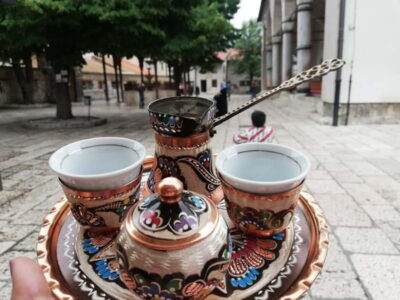
Sarajevo City Market, Old Town Food Tasting Tour
Read our review →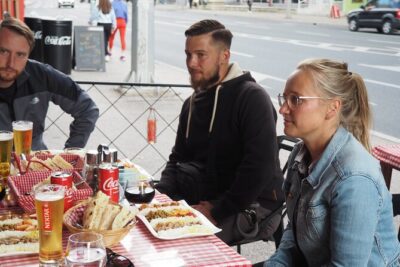
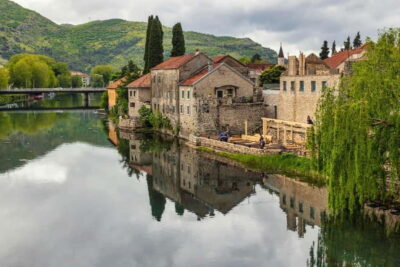
Trebinje Tour with Luxury Transportation and Wine Tasting
Read our review →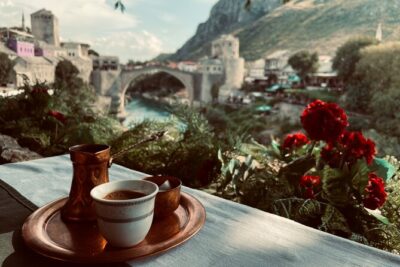

Browse the lists this tour appears in