
Review · JAJCE & TRAVNIK DAY TRIPS
From Sarajevo: Travnik, Jajce, Pliva Lakes & Watermills Trip
Bosnia’s best stories sit beyond Sarajevo. This 10-hour trip links Travnik’s Ottoman-era streets with Jajce’s medieval fort, waterfalls, lakes, and old watermills. I especially like the mix of culture and nature, plus the chance to try Travnik ćevapi and a traditional Bosnian sandwich. The main drawback is the long day, with several hours on the road and extra admission fees for key sights.
I also like the door-to-door pickup in Sarajevo and the way the guides adjust the pace. Guides such as Almir, Senad, Enis, Vildan, Kristijan, and Adnan have been praised for clear explanations, humor, patience, and personal stories about Bosnia.
Bring comfortable clothes and good shoes. The fortresses involve walking, the day can run late, lunch is not included, and cloudy weather may soften the views from the high points.
In This Review
- Key points to know before you book
- Why this day trip works beyond Sarajevo
- The road from Sarajevo to Travnik
- Travnik, the Ottoman-era capital
- Plava Voda and Lutvina Kahva
- The medresa, mosque, and Ivo Andrić’s birthplace
- Travnik Fortress and its broad views
- Pliva Lakes and the Mlinčići watermills
- Jajce Waterfall in the town center
- Jajce Fortress and the medieval center
- Time for coffee, shopping, and a late lunch
- Transport, group size, and the $88 price
- The guides are a major part of the experience
- Who should book this Bosnia day trip?
- Final verdict: a strong first look at Central Bosnia
- FAQ
- How long is the trip from Sarajevo?
- Is hotel pickup included?
- What food is included?
- Are entrance fees included?
- Is the tour available as a private experience?
- Can I bring luggage?
Key points to know before you book
- Two historic towns in one day: See Travnik, once the Ottoman capital in Bosnia, and Jajce, the medieval capital of the Bosnian Kingdom.
- Nature is a major part of the day: Pliva Lakes, the small Mlinčići watermills, and Jajce Waterfall provide a welcome change from museums and old stone buildings.
- Food is built into the experience: A morning Bosnian sandwich is included, and Travnik is a good place to taste ćevapi.
- The tour costs $88 per person: Transport, hotel pickup, a licensed English-speaking guide, water, and breakfast are included, but entrance fees and lunch are extra.
- Expect a full 10 hours: It is a packed route, though private groups and small groups offer more control over pace and free time.
- Weather affects the views: Rain and fog do not cancel the cultural stops, but sunny weather gives you much better views from Travnik and Jajce fortresses.
Why this day trip works beyond Sarajevo
Sarajevo deserves several days, but Bosnia is not a one-city country. This outing takes you west through Central Bosnia Canton, where Ottoman towns, medieval ruins, rivers, and forested hills appear in the same day.
The appeal is the contrast. Travnik feels tied to the Ottoman period, with mosques, fountains, traditional houses, and religious schools. Jajce reaches farther back, with the remains of a royal fortress, an underground church, medieval monuments, and a waterfall in the town itself.
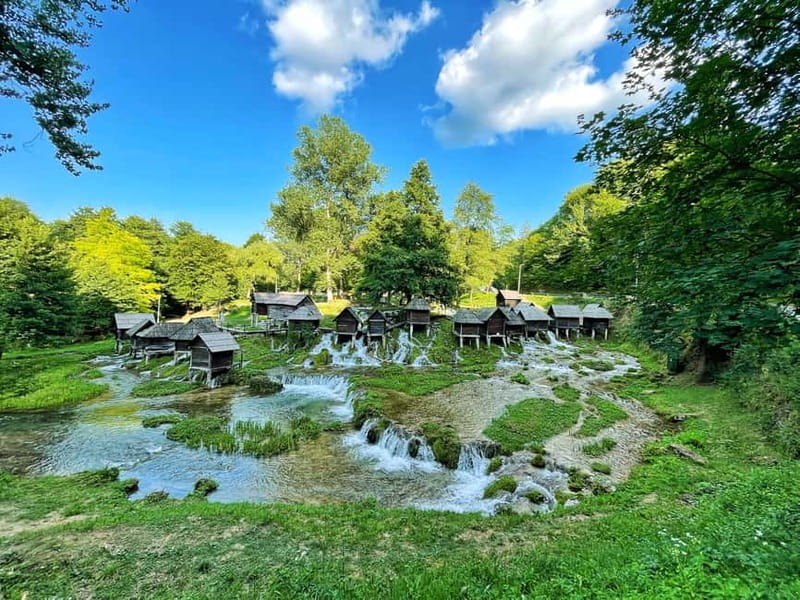
Then come the Pliva Lakes and watermills. These stops are not filler between the towns. For many people, they become the prettiest part of the trip, especially around Mlinčići, where small historic mills line the river near the lakes.
You should think of this as a broad introduction rather than a slow, detailed visit to either town. You get a useful sense of both places, but you will not have the time to inspect every museum or sit for hours beside the water.
Other day trips out to Jajce and Travnik:
- From Sarajevo: Jajce, Travnik, Pliva Lake, & Watermills Tour
★ 4.8 · 317 reviews - Jajce, Travnik and Pliva watermills – Day Tour from Sarajevo
★ 5.0 · 295 reviews - From Sarajevo: Travnik, Jajce, Pliva Lakes & Watermills Tour
★ 5.0 · 213 reviews
The road from Sarajevo to Travnik
Pickup is provided from your accommodation in Sarajevo in an air-conditioned vehicle. The drive takes you out of the capital and into a much greener part of Bosnia, with rivers, hills, and small settlements along the way.
Your guide handles the driving or works with a professional driver, while explaining the geography and past of the country. This matters on a long transfer. Without context, the road can feel like a necessary gap between attractions. With a good guide, it becomes part of the lesson.
The group may be private or small, depending on the booking. That is useful here because the day includes many short visits and photo stops. Small groups also make it easier to ask questions, stop for food, or spend a little longer at a favorite site.
The morning includes a traditional Bosnian sandwich, with a vegetarian option available, plus bottled water. It is a practical start, but do not mistake it for lunch. Lunch and snacks are not included, and the main meal can come fairly late. Bring something extra if you get hungry between stops.
Travnik, the Ottoman-era capital
Travnik is the first major stop, and it sets the historical tone for the day. It served as the capital of the Ottoman administration in Bosnia and Herzegovina, and parts of the old town still reflect that period.
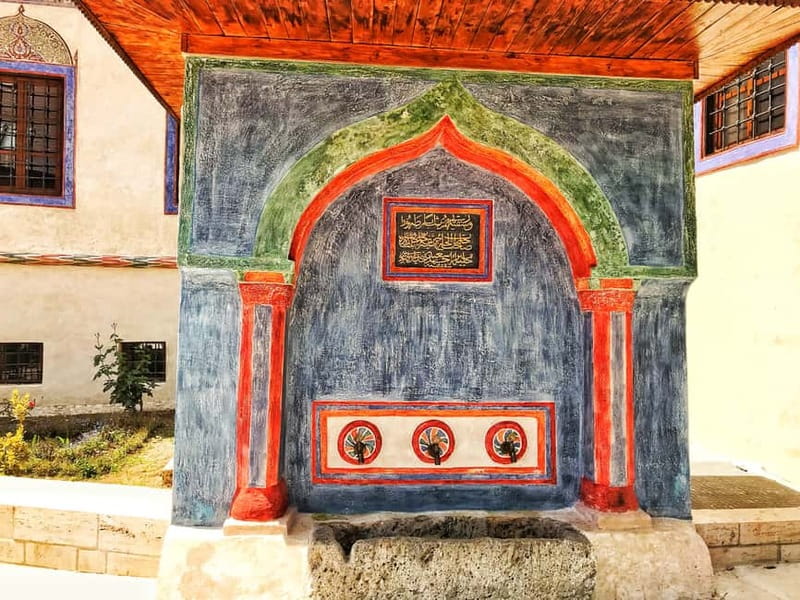
The town is known for its mosques, fountains, houses, and other Ottoman-era buildings. You will not simply walk through a preserved stage set. Travnik is still a lived-in town, and the pleasure comes from seeing old structures mixed with ordinary daily life.
Plava Voda and Lutvina Kahva
Plava Voda, meaning Blue Water, gives you an early nature break. The clear stream and water beside the town make this a good place for photographs and a short rest after the drive.
The stop at Lutvina Kahva coffeehouse adds a more local rhythm. You have time for coffee, breakfast, or a pause before continuing through Travnik. This is one of the better moments to slow down, since the rest of the itinerary moves at a steady pace.
I would use this break to ask your guide about food and local customs. Travnik is particularly associated with ćevapi, the small grilled meat dish commonly described as Bosnia’s national dish. If you eat meat, this is a sensible place to try it. Vegetarians should confirm their preferred meal with the guide or restaurant before ordering.
Same corner of the country, a different kind of day:
- Sarajevo: Mostar, Konjic, Blagaj Tekke, Pocitelj & Waterfall
★ 4.9 · 1,666 reviews - Fall of Yugoslavia, Sarajevo War Tour with Tunnel of Hope Museum and Frontlines
★ 5.0 · 1,314 reviews - Sarajevo: Grand Walking Tour Through Time and Cultures
★ 4.8 · 1,236 reviews - Sarajevo: Mostar, Konjic, Sufi House, Pocitelj & Kravice Falls
★ 5.0 · 1,179 reviews
The medresa, mosque, and Ivo Andrić’s birthplace
The Elči Ibrahim-paša medresa is an Ottoman Islamic school and an important part of Travnik’s cultural identity. Your guide provides a walking tour and explains the role of the building within the town’s religious and educational past.
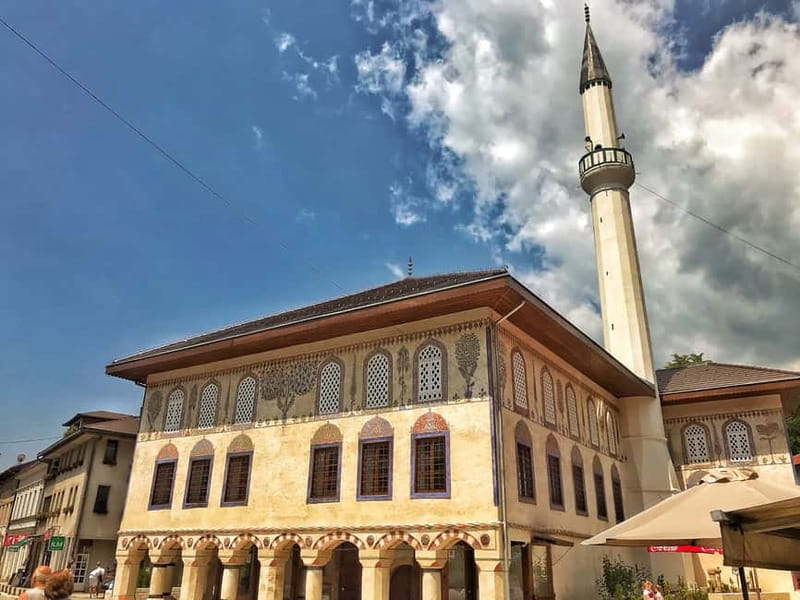
The Ornamented Mosque adds another architectural stop. Expect a guided visit, photographs, and some time to look around or shop. Dress respectfully for religious sites, and carry clothing that covers shoulders and knees.
You also visit the birthplace of Ivo Andrić, the Bosnian-born writer and Nobel Prize winner. It gives the town a literary connection alongside its Ottoman architecture. The stop is relatively brief, but it helps show that Travnik’s importance is not only political or religious.
One practical point: opening times can affect the order of the visit. During Ramadan, several sites may close earlier in the day, especially around prayer and iftar. A recent guide named Ejub handled this kind of change by arranging dinner and returning to the mosque after iftar. The lesson is simple: keep a little flexibility instead of expecting every stop to run by the minute.
Travnik Fortress and its broad views
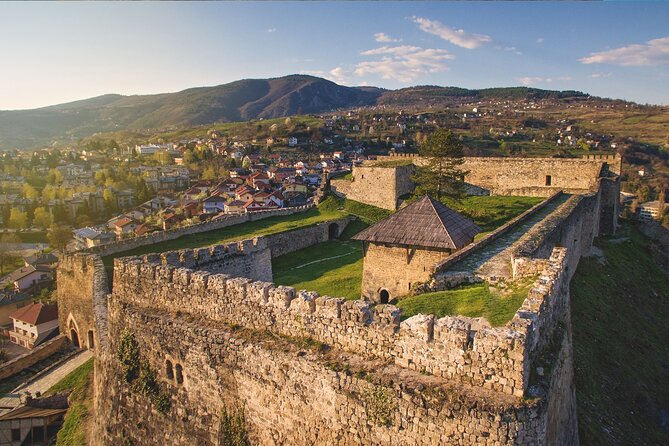
Travnik Fortress, also called Travnica Fortress in the schedule, is the town’s main high point. The stone stronghold recalls the medieval period and gives you a wider view over Travnik and the surrounding hills.
There is time for a guided visit and some free exploration. You will want comfortable shoes because the day includes walking over uneven surfaces and moving through historic areas.
Weather matters here. Fog and heavy cloud can block much of the view, which makes the fortress less rewarding as a lookout. The building itself still has value in poor weather, but if photography is a priority, a clear day will make a noticeable difference.
Admission to Travnik Castle is not included. Together with the Jajce catacombs and waterfall, entry fees are estimated at about €10 to €15 in total, though prices can change. Carry convertible currency or confirm the accepted payment method with the operator before departure.
Pliva Lakes and the Mlinčići watermills
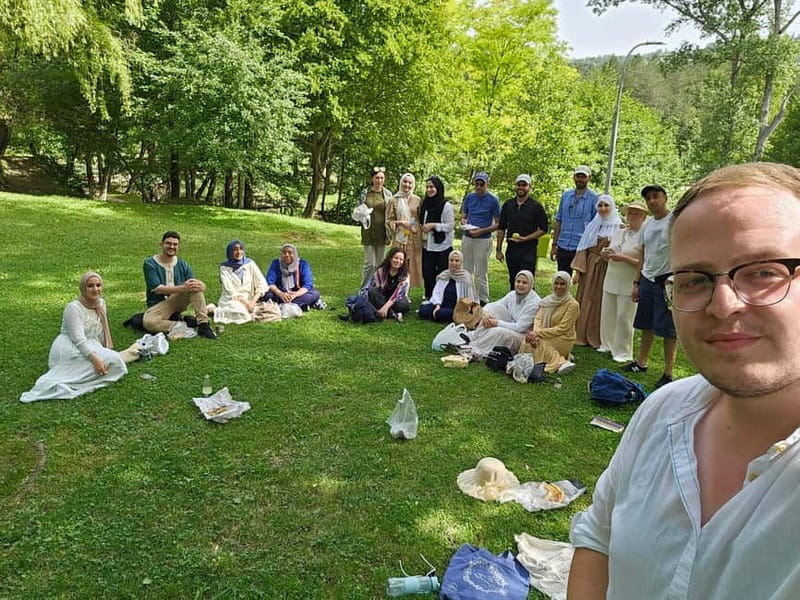
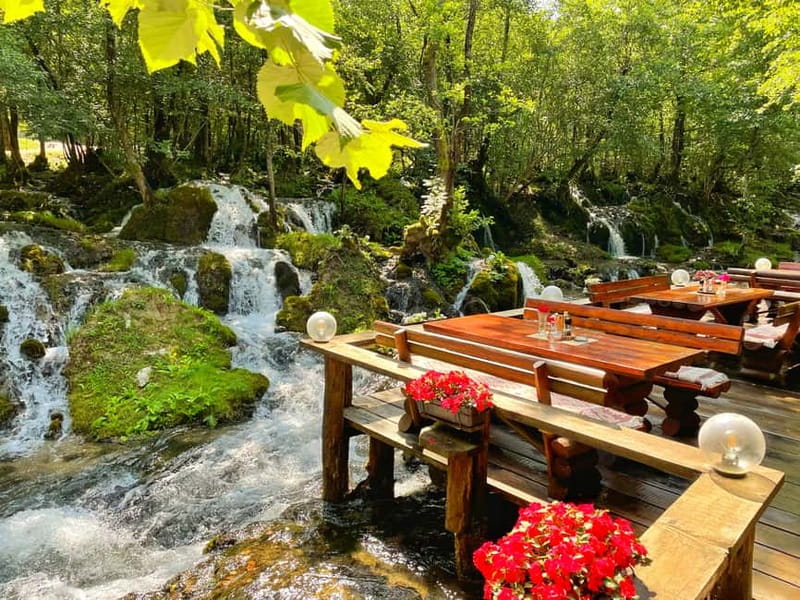
After Travnik, the route shifts from Ottoman town life to water and woodland. Pliva Lakes are two natural lakes on the Pliva River, with a stop for photographs and sightseeing.
This portion of the trip often feels like a release after the concentrated history of Travnik. You get open views, moving water, and time to take photographs without having to absorb another long explanation inside a building.
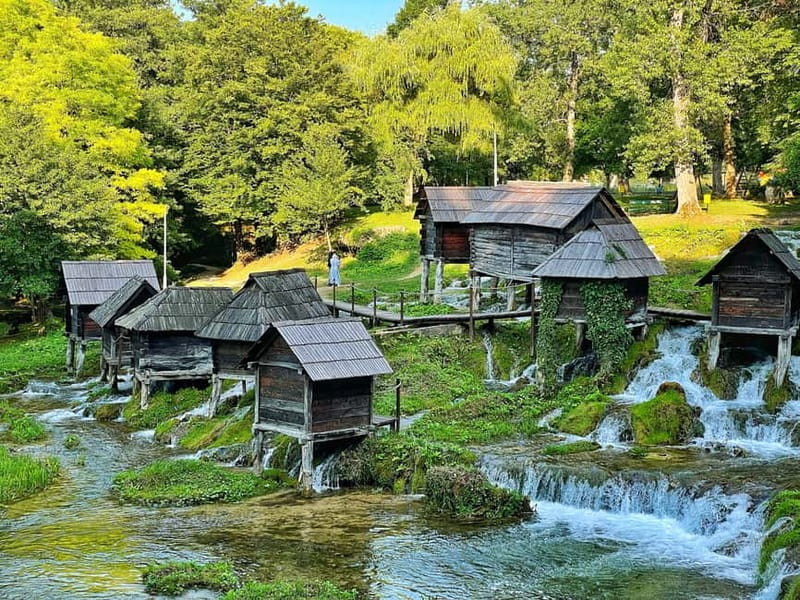
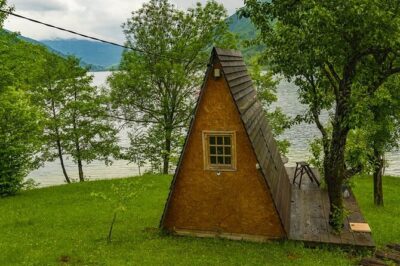
Mlinčići is the more distinctive stop. The small watermills were once used by local families to process grain, and their simple wooden forms sit across the flowing water. They are easy to photograph and pleasant to explore on foot.
I would not rush this section. The watermills are compact, so you do not need a long visit to see them, but the setting rewards a few quiet minutes. One guide, Senad, has been praised for allowing extra time at scenic places, and that sort of flexibility is especially helpful here.
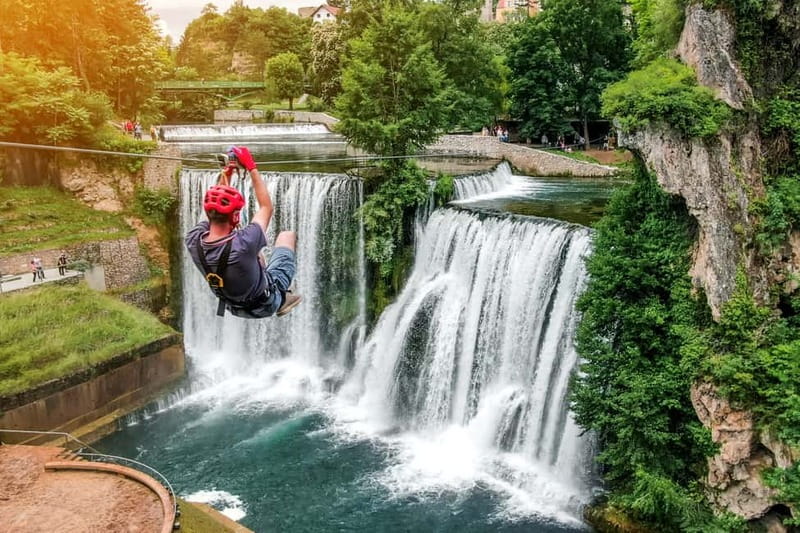
There is also an optional zipline, listed at about €15, subject to change. It is not necessary to enjoy the lakes and mills, so treat it as an add-on rather than part of the tour’s core value.
Jajce Waterfall in the town center
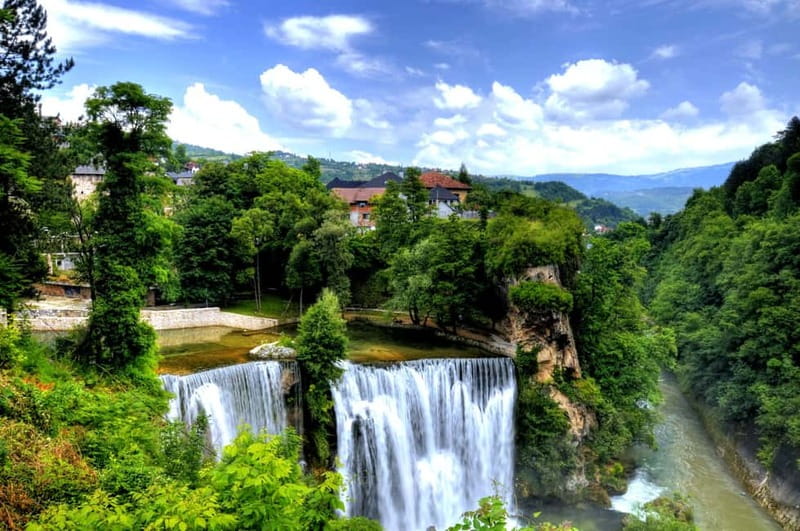
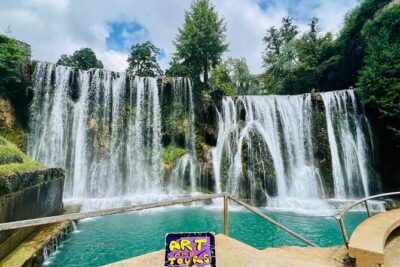
Jajce’s waterfall is the visual centerpiece of the trip. The Pliva River drops in the center of town, an unusual setting that lets you move from an urban street to a dramatic waterfall within minutes.
You have time for photographs and free exploration. The falls are more than a quick roadside photo because the town is built around them. Water, old stone, and the surrounding hills give Jajce a strong sense of place.
Admission is extra, and the waterfall can be wet and slippery around viewing areas. Keep your camera protected and wear shoes with a decent grip. In warm weather, the spray can be refreshing. In rain or cold, it may be less comfortable to linger.
The waterfall also gives you a useful reason to visit Jajce even if medieval buildings are not your main interest. It is an easy, memorable sight, and the visit does not demand a long hike.
Jajce Fortress and the medieval center
Jajce was the capital of the Bosnian Kingdom during the 14th century. Its fortress, set above the town, connects the modern streets with that royal past.
The visit includes a guided explanation and free time for sightseeing. From the high ground, you can look over the town and surrounding countryside. Again, clear weather makes a big difference. On cloudy or foggy days, the fortress remains historically interesting, but the broad views may disappear.
The old center includes the Church of Saint Mary with the Tower of Saint Luke, one of the town’s notable medieval religious buildings. The route also passes the Esma Sultana Mosque, giving you another chance to see how Christian and Muslim monuments share the same urban setting.
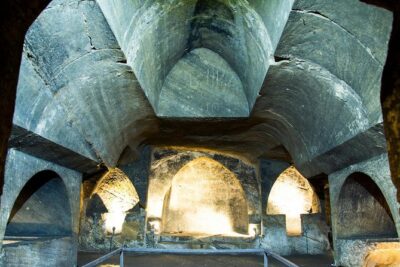
The Catacombs Underground Church adds a more unusual stop. Cut into the ground beneath the town, it offers a compact look at medieval religious life and the layers beneath Jajce. Admission is extra, and some people may prefer to trade this visit for more time by the lake or waterfall.
That choice is worth discussing with your guide. One past participant felt the catacombs and mosque could have been shortened in favor of free time. That is not a flaw in the route so much as a reminder that the itinerary is busy. A private tour gives you more room to make such choices.
Time for coffee, shopping, and a late lunch
The Jajce City Center Fountain marks the more relaxed end of the sightseeing route. You have time to walk, shop, and find refreshments before heading back to Sarajevo.
Lunch is not included, so plan your appetite. The morning sandwich is useful, but this is still a long outing, and the meal may come later than you expect. Guides often help with restaurant suggestions, and several have been praised for recommending local food and adapting meal arrangements.
The schedule includes many short visits, so free time may feel limited on a shared tour. A private booking is better if you want to linger at the fountain, take more photographs, or stop for a longer coffee.
Transport, group size, and the $88 price
At $88 per person, the tour is not the cheapest way to see Central Bosnia, but the price is reasonable if you value convenience. You receive Sarajevo hotel pickup and drop-off, air-conditioned transport, a licensed English-speaking guide, bottled water, and the morning sandwich.
You also avoid the work of planning a route between Travnik, Jajce, and the Pliva area. Those places are spread out, and the day includes historical explanations that are hard to reproduce with quick internet searches while driving.
The extra fees change the final cost. Budget another €10 to €15 for the three main admissions, plus lunch, snacks, coffee, and any zipline ride. The tour remains good value for a first visit, but you should compare the full spend rather than looking only at the advertised price.
The return to Sarajevo completes a 10-hour day. That is a lot of time in a vehicle and on your feet. The payoff is range: two historic towns, several religious and medieval monuments, a waterfall, two lakes, and watermills in one outing.
The guides are a major part of the experience
The strongest part of this tour is the human side. Guides including Almir, Senad, Enis, Vildan, Kristijan, Adnan, Ago, Ismet, Amila, Elma, and Vedad have been praised for humor, patience, clear English, personal attention, and strong knowledge of Bosnia’s culture and past.
Several guides also share personal connections to the country’s recent war. One visitor described meeting a guide who had fought as a teenager, while another praised Adnan’s balance of personal stories, pride, and calm delivery. These conversations can give the modern history of Bosnia a human face, but you should always ask questions respectfully.
The best guides do more than recite dates. They explain how religion, empire, food, geography, migration, and the war shaped the places you see. They also help with photographs, restaurant choices, and changes caused by weather or religious holidays.
Service has been flexible in other practical ways too. The company has rearranged tours after missed flights, operated a group departure with only two people, and helped return an item left in a vehicle. Those details suggest a useful level of care, though your specific guide and group will shape the day.
Who should book this Bosnia day trip?
You should book it if you want a broad, guided introduction to Central Bosnia without renting a car. It suits first-time visitors, solo travelers, couples, families who can manage a long day, and anyone who wants both historic towns and outdoor scenery.
It is especially good for you if you enjoy hearing the story behind a place. The forts, mosques, church, catacombs, and watermills mean more when someone explains how they fit into Bosnia’s past.
You may want a different plan if you dislike long drives, prefer slow travel, or want several hours of unstructured time in one town. The route covers a lot, and a few stops may feel brief. A private tour is the better choice if you want to set the pace or remove a site that interests you less.
The tour is wheelchair accessible, but the historic fortresses, catacombs, and uneven walking areas may still require personal planning. Ask the operator about the exact vehicle and access needs before booking.
Final verdict: a strong first look at Central Bosnia
I would book this trip if I had limited time in Sarajevo and wanted to see more of Bosnia without handling the transport myself. Travnik gives you Ottoman streets, food, and architecture. Jajce brings royal history and a waterfall, while Pliva Lakes and Mlinčići add the peaceful outdoor stops that keep the day from becoming a procession of monuments.
The best value comes from the guide, door-to-door service, and range of sights. The main compromises are the 10-hour schedule, late lunch, extra entrance fees, and the possibility that weather will dull the fortress views.
Choose a sunny day if you can, bring snacks and comfortable shoes, and tell your guide which stops matter most. With that approach, this is a rewarding way to see the towns and waterways west of Sarajevo.
FAQ
How long is the trip from Sarajevo?
The tour lasts 10 hours, including pickup in Sarajevo, visits to Travnik, Jajce, Pliva Lakes, and the return to Sarajevo.
Is hotel pickup included?
Yes. Pickup and drop-off from your accommodation in Sarajevo are included.
What food is included?
A traditional Bosnian sandwich is provided in the morning, and a vegetarian option is available. Lunch, snacks, coffee, and other personal expenses are not included.
Are entrance fees included?
No. Entry to Travnik Castle, the Jajce Catacombs, and Jajce Waterfall is extra. The combined cost is estimated at about €10 to €15, subject to change.
Is the tour available as a private experience?
Yes. Private and small-group options are available.
Can I bring luggage?
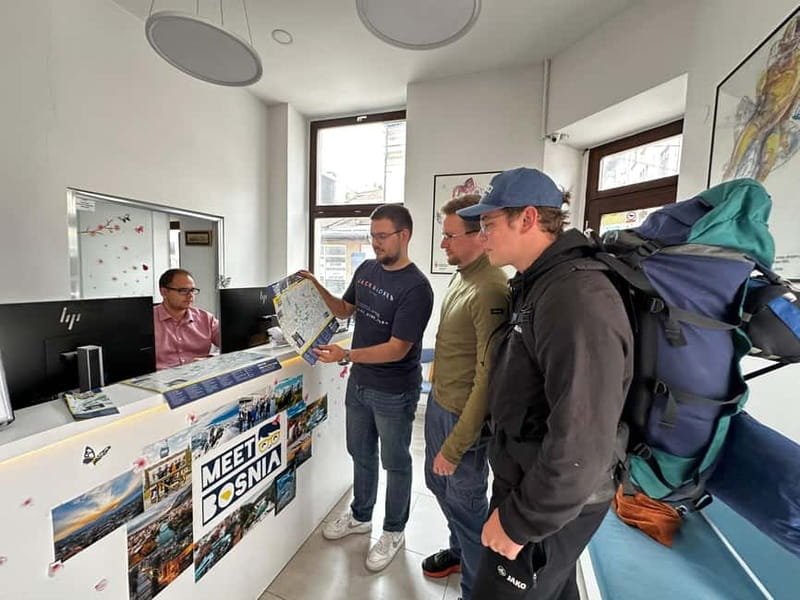
Yes. You may bring luggage on the tour or leave it securely at the tour company’s office while you explore.
Newest around Sarajevo
- Understanding Srebrenica Genocide + Lunch with Local Family★ 4.9 · 14 reviews
- Private Full Day Safari Tour★ 5.0 · 8 reviews
- Sarajevo: Trebević Mountain Summit Hiking Tour★ 4.2 · 2 reviews
- From Sarajevo: Kozice Waterfalls Hiking Experience in Nature★ 5.0 · 2 reviews
- Sarajevo Under Siege: A War History Tour★ 5.0 · 10 reviews
- Mysterious Visoko Pyramids Driving and Walking Tour★ 5.0 · 7 reviews
- WAR TUNNEL – Sarajevo’s only way of a communication during the WAR – Top secret★ 5.0 · 12 reviews
- Ultimate Gastro Experience★ 4.5 · 14 reviews
Jajce & Travnik Day Trips, compared.
Jajce, Travnik and Pliva watermills – Day Tour from Sarajevo
Read our review →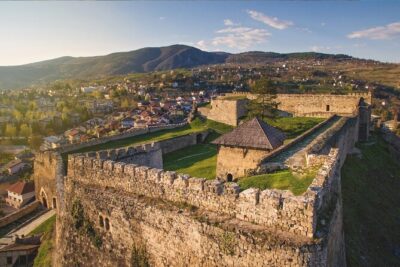
Travnik, Jajce & Pliva Lakes Day Tour From Sarajevo (fees Incl.)
Read our review →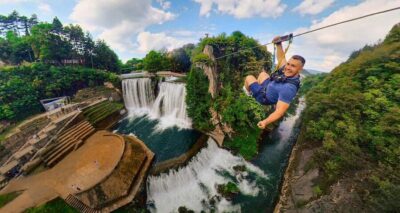
CENTRAL BOSNIA | A medieval tour (Jajce + Travnik + Pliva lakes)
Read our review →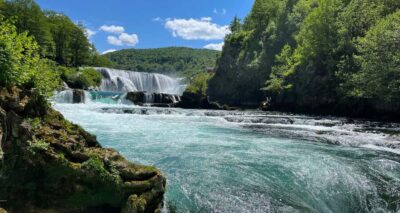
Browse the lists this tour appears in